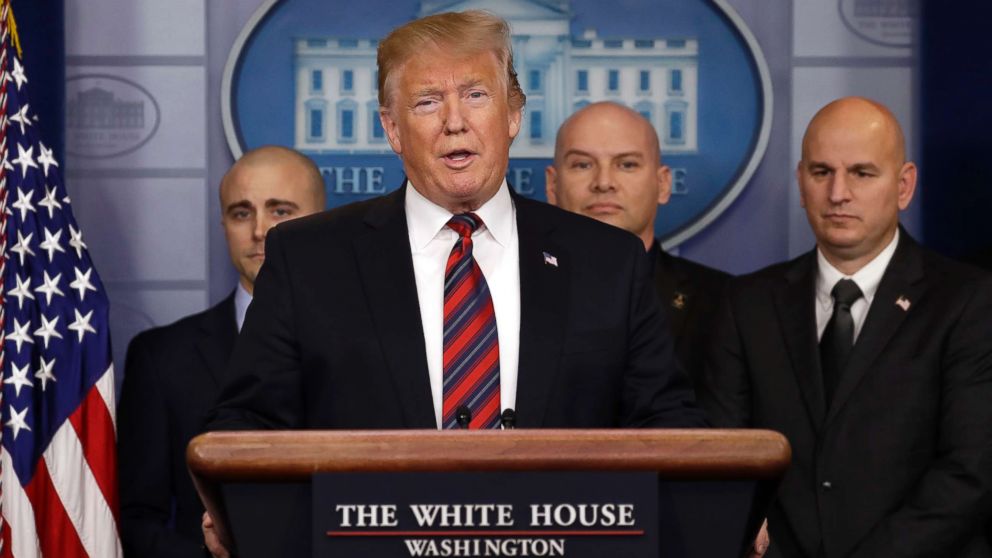
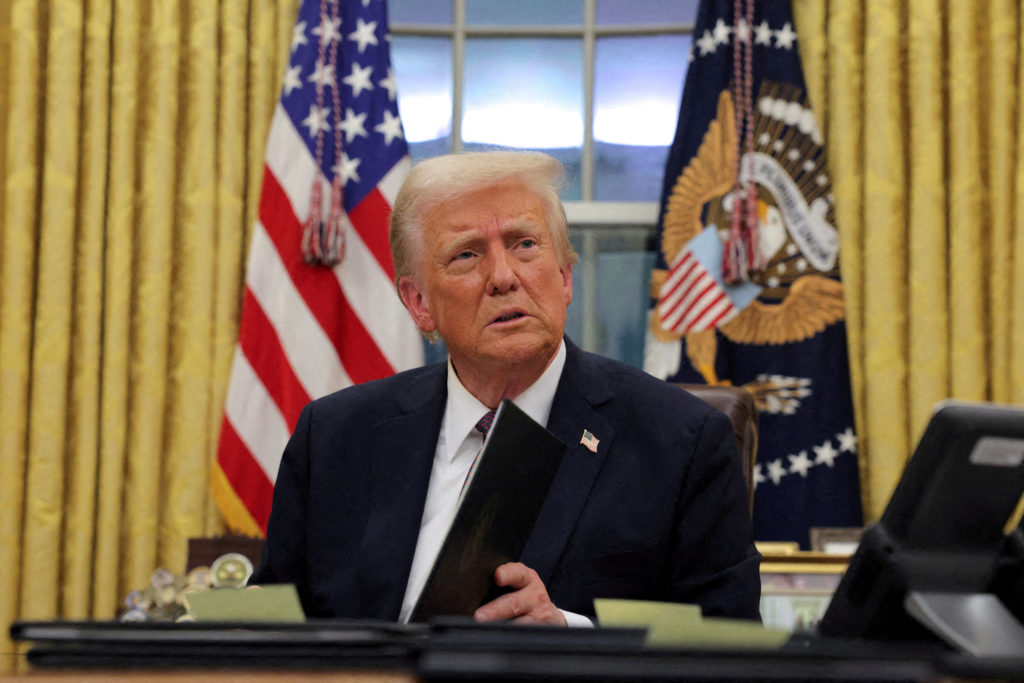
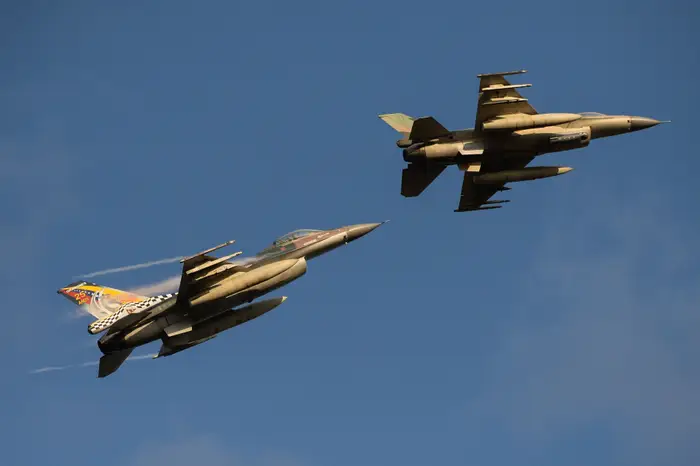
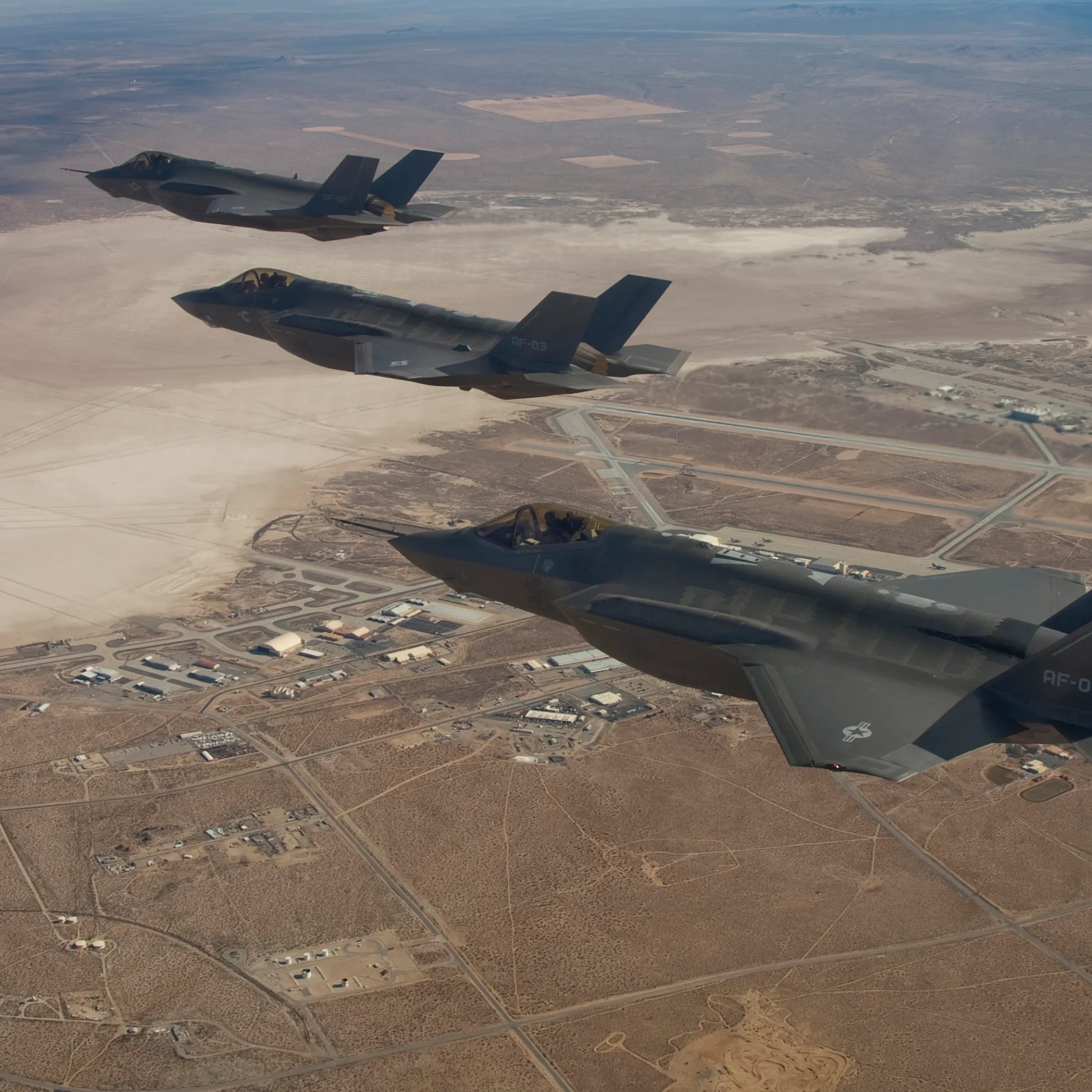
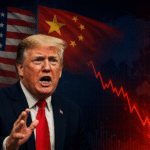
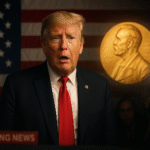
In early September 2025, global politics took a dramatic turn when Donald Trump issued a stark warning: any Venezuelan jets approaching U.S. naval forces would be “shot down.” This announcement coincided with Washington ramping up its military presence in the Caribbean, including the deployment of F-35 stealth fighters and naval resources near the South American nation’s waters. The standoff has now become one of the most concerning flashpoints in international relations.
Here are 10 surprising insights from the U.S.–Venezuela standoff and its implications for the world.
Trump’s declaration that Venezuelan jets would be destroyed wasn’t just empty talk; it showed America’s readiness to use direct military force if Caracas challenged U.S. operations. According to Reuters, the U.S. positioned 10 F-35 fighters in Puerto Rico and deployed several naval vessels, raising fears of a potential clash.
2. The Trigger: A Deadly U.S. Strike on a Venezuelan Vessel
Tensions intensified after a U.S. operation in the Caribbean sank a vessel allegedly linked to drug trafficking networks. The strike killed 11 suspected traffickers tied to the Tren de Aragua gang, reported The Guardian. Maduro’s government rejected the accusations, portraying the incident as part of a regime-change agenda.
3. A Billion-Dollar Gamble on the War on Drugs
Washington insists its military buildup is part of its long-running war on narcotics. The Caribbean is a critical smuggling route into North America. Yet critics argue this show of force risks regional conflict rather than curbing cartels. The cost of deploying stealth jets and naval patrols runs into billions of dollars — funds many believe could instead address domestic U.S. priorities.
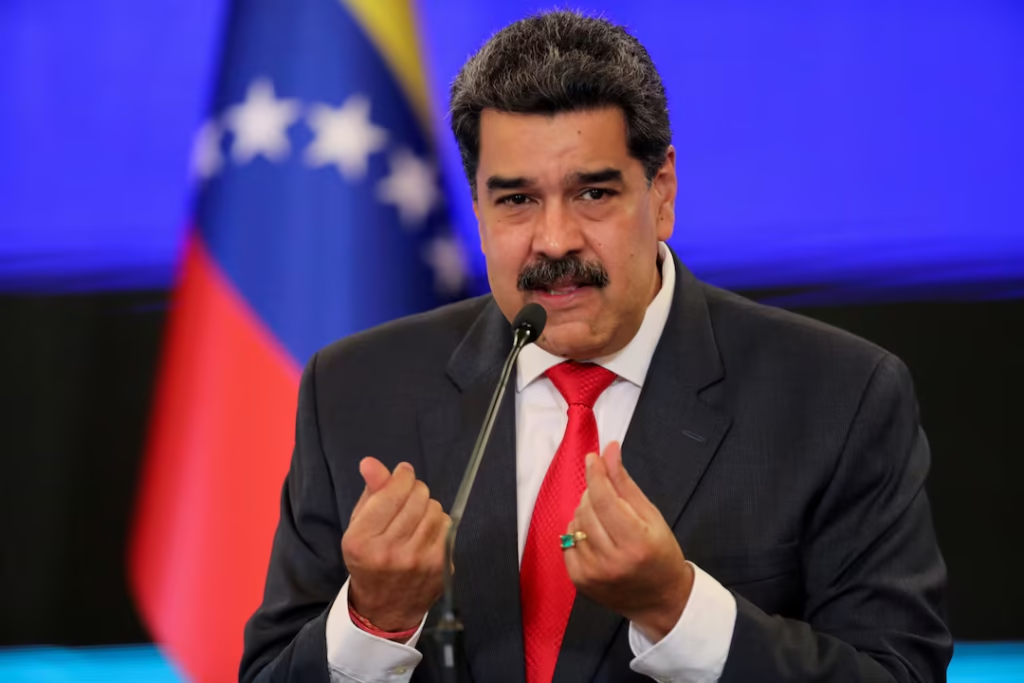
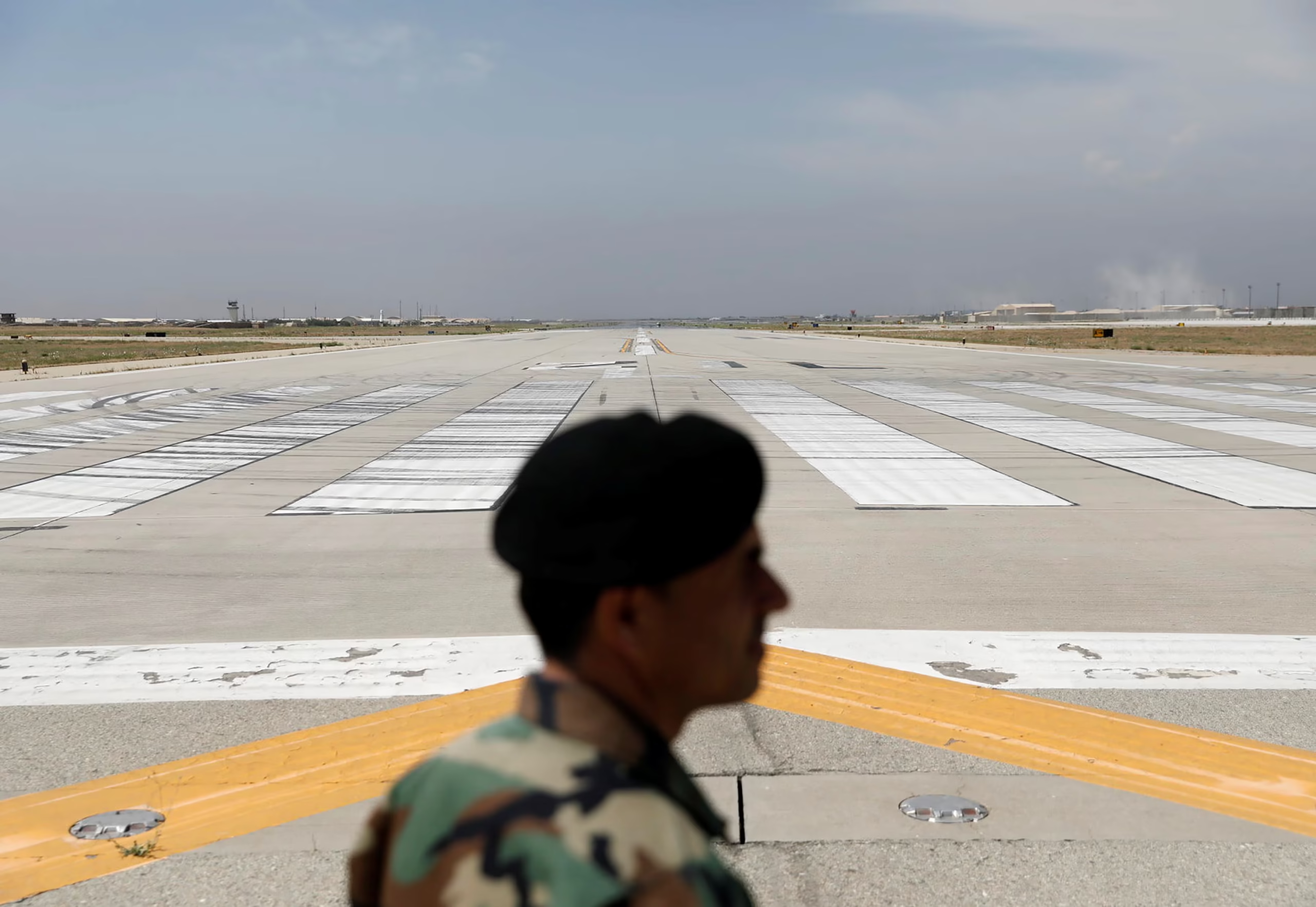
President Nicolás Maduro struck a defiant tone, claiming there was “no way the U.S. could invade.” He mobilized militias and deployed air-defense units, framing the standoff as a fight for sovereignty. In his view, Washington’s escalation is an attempt to destabilize the fragile economy and overthrow his government, according to Al Jazeera.
5. Why the Caribbean Matters More Than Ever
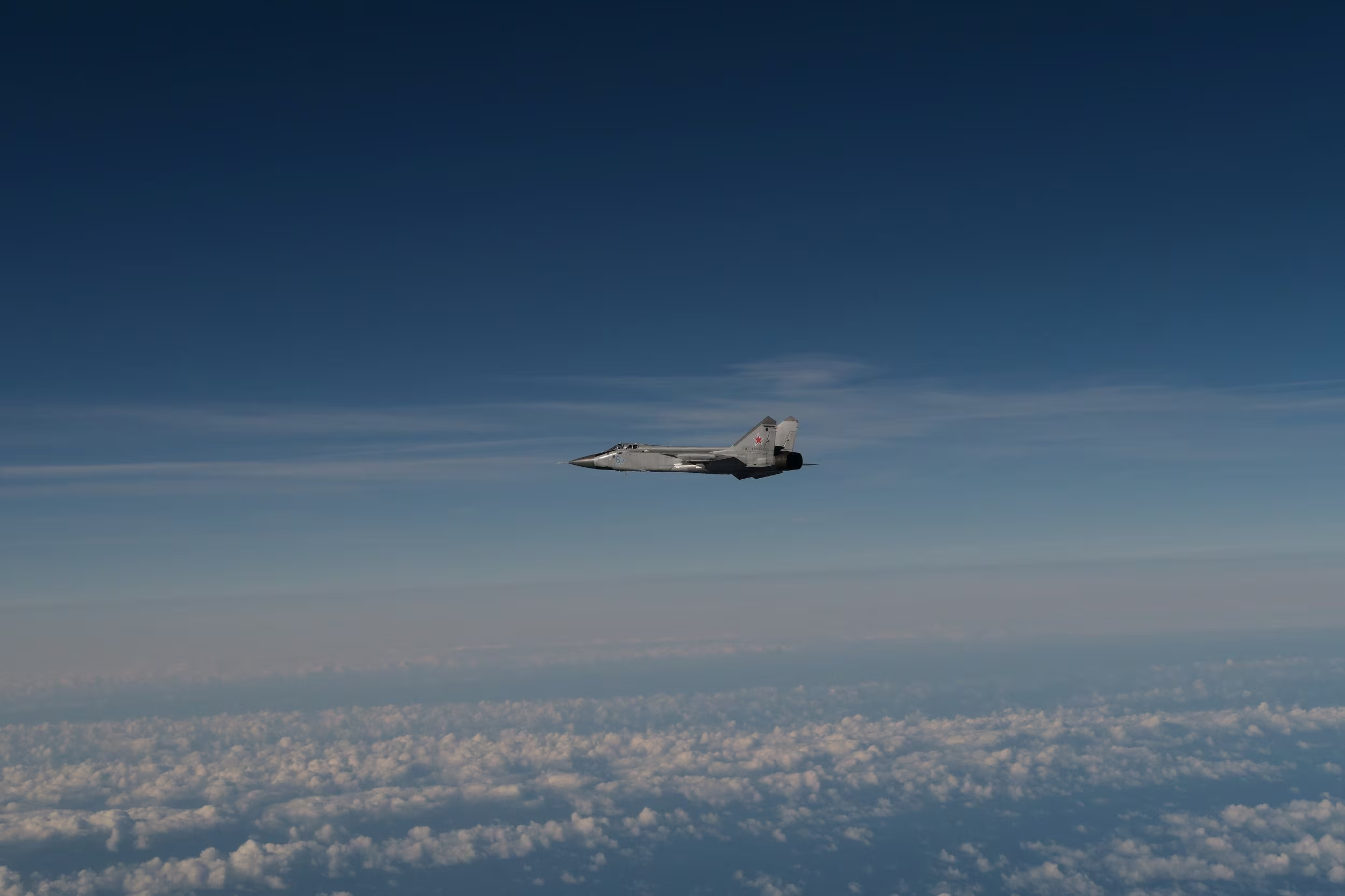
The Caribbean has emerged as a geopolitical battleground. Its proximity to U.S. shores makes it strategically vital, and its sea lanes are crucial for trade and energy shipments. By sending stealth fighters and naval forces, Washington is delivering a warning not only to Caracas but also to Russia and China, both of which maintain close ties with Maduro (Times of India).
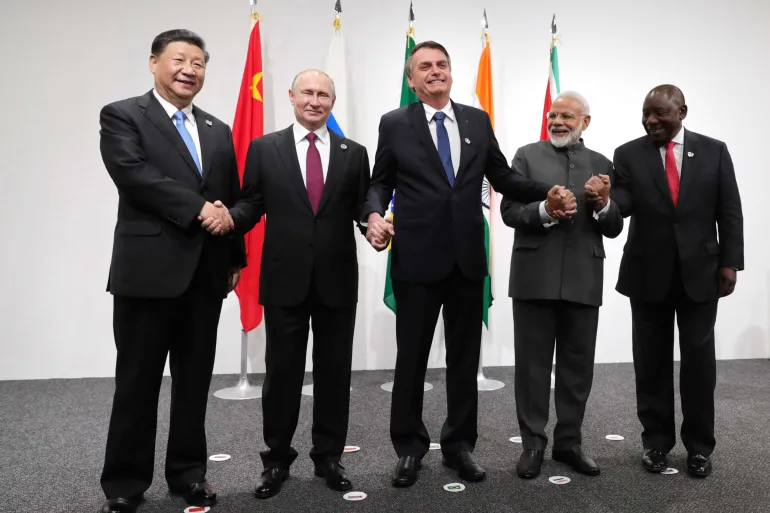
Some Brazilian lawmakers suggested BRICS could intervene to support Caracas. The reality, however, tells a different story. Brazil itself blocked the country’s entry into BRICS last year, citing election irregularities and questioning democratic legitimacy, according to El País. With BRICS already juggling internal strains, direct intervention is unrealistic.
7. India’s Diplomatic Balancing Act
Would India, a major BRICS member, take Venezuela’s side against Washington? The answer is almost certainly no. India values its growing partnership with the U.S. in defense, technology, and the Indo-Pacific too much to jeopardize it. New Delhi will likely maintain its traditional non-aligned approach, calling for dialogue without leaning too far either way (Deccan Herald).
8. The Economic Stakes for Venezuela
The South American nation’s economy is already collapsing under hyperinflation, sanctions, and dwindling oil revenues. Any military escalation could disrupt vital trade routes and worsen shortages. While Russia and China provide lifelines, dependence on crude exports means that even a minor disruption could cripple funding for essential services like healthcare and food distribution (Sada News).
9. A New Cold War Flashpoint?
This crisis isn’t only about Venezuela. It highlights a larger U.S.–Russia–China rivalry. Caracas has long relied on Moscow and Beijing for financial and military support. By deploying stealth fighters to the Caribbean, Washington is effectively warning rivals: “Stay out of our backyard.” Some analysts compare this to the Cuban Missile Crisis, though on a smaller scale (Reuters).
The burning question: is Trump ready to authorize military action, or is this a high-stakes bluff? Experts suggest Washington aims more at deterrence than invasion. But history shows how easily miscalculations — a misread radar or a jet flying too close — can spiral into conflict. Meanwhile, markets, oil prices, and diplomatic ties are already reacting to the uncertainty (Guardian).
Final Thoughts
The U.S.–Venezuela standoff of 2025 highlights the fragility of today’s global order. What started as a drug-busting mission has spiraled into a crisis involving fighter jets, naval deployments, and threats of war. While Venezuela insists America cannot invade, Trump’s sharp warning “Venezuelan jets will be shot down” has thrown the region into uncharted waters.
For now, the world watches closely. Will this be remembered as a bluff that fizzled, or the spark of a new Caribbean conflict?
Abhi Platia is a financial analyst and geopolitical columnist who writes on global trade, central banks, and energy markets. At GeoEconomic Times, he focuses on making complex economic and geopolitical shifts clear and relevant for readers, with insights connecting global events to India, Asia, and emerging markets.