


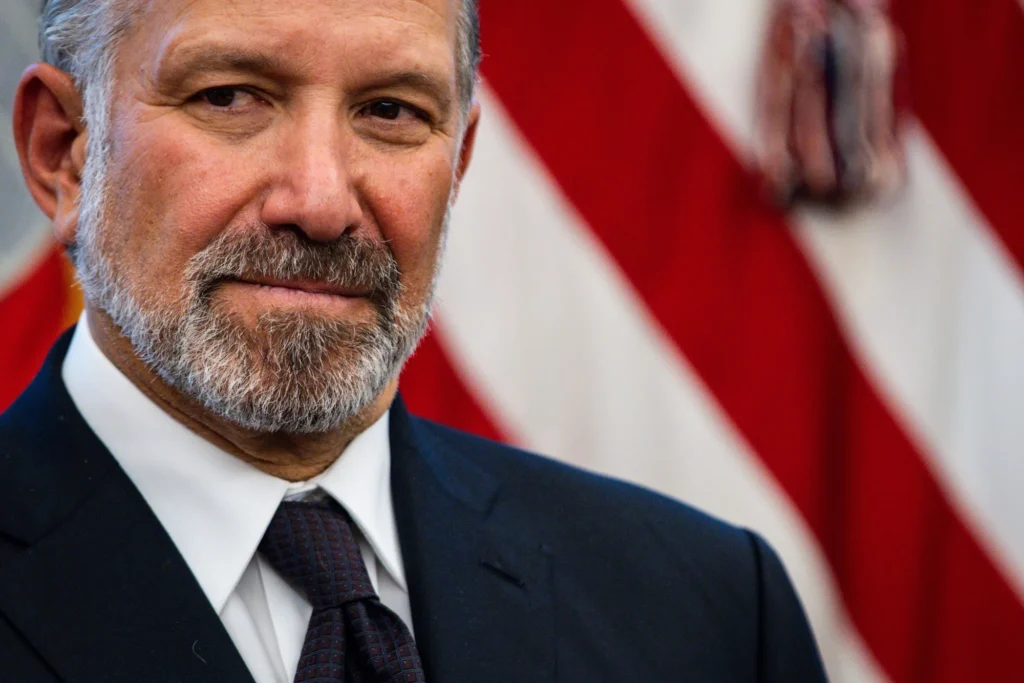
When Howard Lutnick, the influential Wall Street titan and Commerce Secretary under Donald Trump, bluntly told India to “play ball” with Washington, it was more than just tough talk. It was a window into how the Trump administration envisions the new global economic order transactional, high-pressure, and unapologetically America-first.
But why do these words matter? And more importantly, what do they mean for India’s economy, foreign policy, and ordinary citizens?
This article unpacks the implications of Lutnick’s remarks, places them in historical context, and explores scenarios for India’s future.
Howard Lutnick’s Stern Advice to India
Howard Lutnick cautioned India against policies that “harm U.S. interests,” particularly referencing New Delhi’s discounted crude oil purchases from Russia. He warned that unless India “reacts correctly,” it risks losing privileged access to American consumers.
For Lutnick, who combines Wall Street influence with political authority, this was a clear statement: align with Trump’s economic agenda or risk isolation in the world’s largest consumer market.
Why the Words of Howard Lutnick Carry Weight
Lutnick is not a traditional politician. As CEO of Cantor Fitzgerald, he has weathered financial storms, from the 9/11 tragedy to the 2008 global financial crisis. His rise into the Trump administration blurs the line between finance and statecraft.

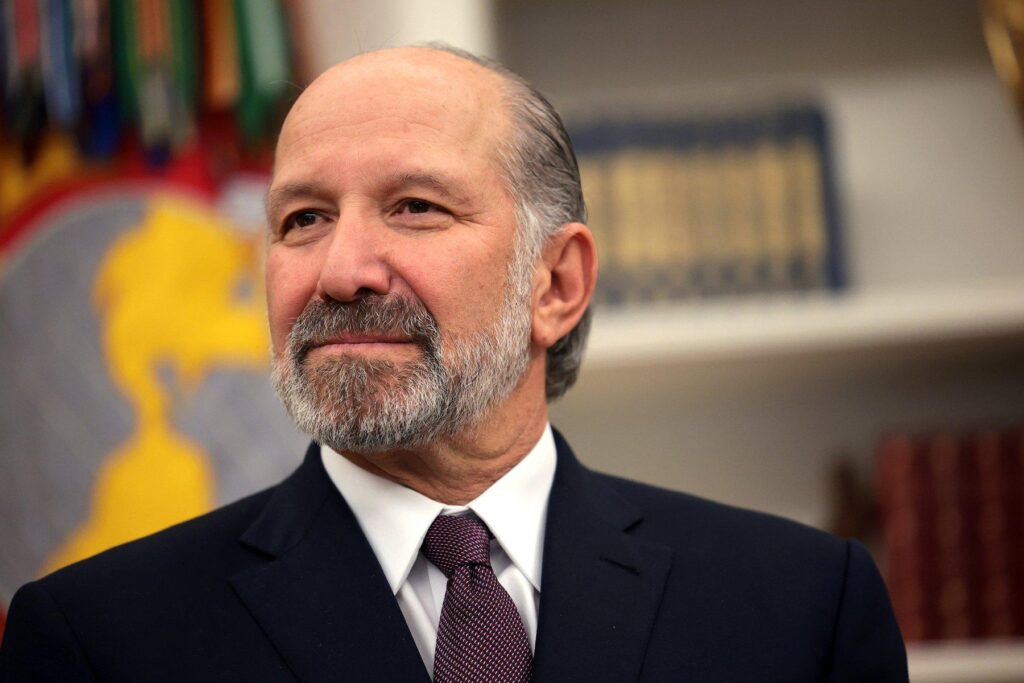
Unlike bureaucrats, Lutnick speaks the language of markets. His warnings are not only diplomatic signals — they move sentiment on Wall Street and can indirectly affect capital flows into India.
That convergence of finance + policy makes him a uniquely powerful voice.
India–U.S. Trade Tensions: The Backdrop
To understand the context of Lutnick’s remarks, we need to look at trade numbers:
- Bilateral trade between India and the U.S. stood at over $191 billion in 2024, making the U.S. India’s largest trading partner (World Bank).
- Indian exports to the U.S. include IT services, pharmaceuticals, textiles, and gems.
- U.S. exports to India are concentrated in energy, defense equipment, and technology.
Despite this growth, frictions remain. Washington has long raised concerns over India’s tariffs, data localization rules, and energy purchases from Russia. Meanwhile, New Delhi has resisted pressures that could undercut its sovereignty or energy security.
Howard Lutnick on Russian Oil: A Flashpoint
One of Lutnick’s sharpest criticisms was aimed at India’s continued import of discounted Russian crude. For New Delhi, buying Russian oil has been a pragmatic decision: it helps contain inflation and ensures energy stability for a country where millions are vulnerable to fuel price shocks.
But for Washington, such purchases dilute the effectiveness of sanctions on Moscow. Lutnick’s warning that India may have to “say sorry” and reconcile with Trump signals the possibility of harder bargains ahead. The subtext is clear: in the Trump-led economic order, loyalty will be rewarded, and divergence will be penalized (U.S. Energy Information Administration).
Expert Reactions: Balancing Pragmatism with Pressure

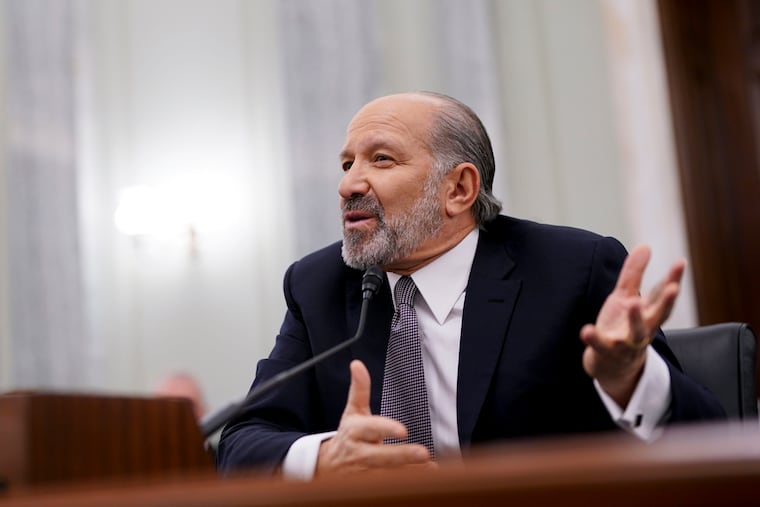
Several Indian analysts have responded cautiously to Lutnick’s remarks.
- Dr. Radhika Rao, economist at DBS Bank, notes: “India cannot afford to alienate either Washington or Moscow. It must pursue a pragmatic balance. Lutnick’s comments highlight the pressure points, but India’s bargaining power has also grown.”
- Professor Harsh Pant from King’s College London observes: “Howard Lutnick reflects the Trump administration’s transactional approach. For India, the key is to navigate these demands without compromising on core strategic autonomy.”
In essence, while Lutnick’s remarks sound like a warning, they also underscore India’s importance in the global economic chessboard.
The Human Side: What Does This Mean for Ordinary Indians?
Geopolitical headlines can feel abstract, but their impact is real. If trade relations sour:
- Indian IT firms might face stricter visa rules, affecting jobs.
- Pharma exports could be subject to higher scrutiny, hitting margins.
- A U.S. tariff hike on Indian goods would directly raise prices for Indian exporters and American consumers alike.
On the flip side, cooperation could unlock new opportunities in green energy, AI technologies, and defense collaborations.
Howard Lutnick and Trump’s Economic Doctrine
Lutnick’s assertion that the “2026 economy is Donald Trump’s economy” is worth unpacking. It reflects confidence in a policy mix of protectionism, deregulation, and bilateral deal-making. Unlike multilateral forums such as the WTO, Trump and by extension Lutnick prefer direct negotiations where leverage can be maximized.
For India, this means that every trade dispute, whether about agricultural imports or digital taxation, will be scrutinized through a transactional lens.
India’s Choices: Compliance or Strategic Autonomy?
India now faces a delicate dilemma:
- Compliance Path: Align closely with U.S. demands, reduce ties with Russia, open markets further to American firms. This could bring immediate investment inflows but weaken India’s policy independence.
- Strategic Autonomy Path: Continue balancing ties between Washington, Moscow, and Beijing, even if it risks U.S. displeasure. This preserves sovereignty but could slow trade growth with America.
Most experts believe India will seek a middle path concessions in certain areas (e.g., tariff reduction on some goods) while holding firm in others (e.g., energy security).
Lessons from History: The 1990s and Beyond

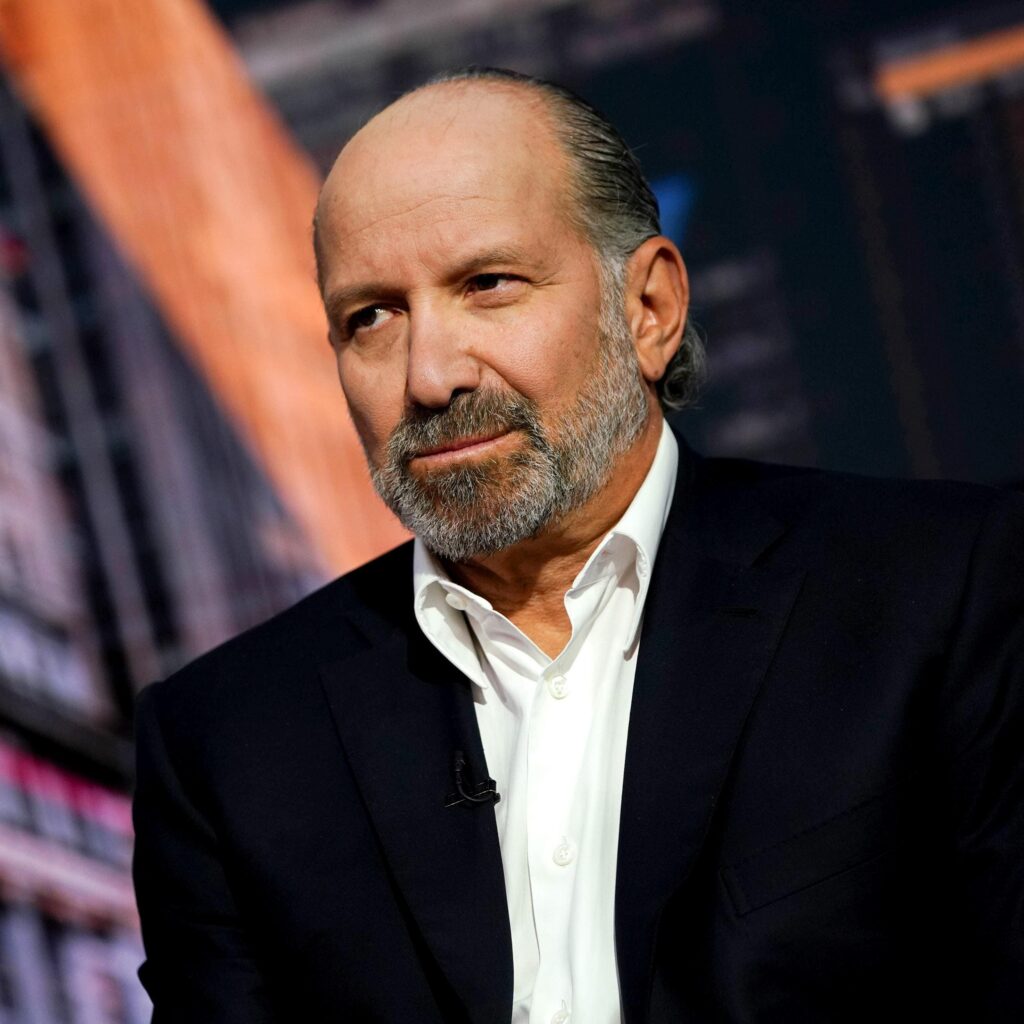
This isn’t the first time India has faced U.S. pressure. In the 1990s, Washington imposed sanctions after India’s nuclear tests. Yet over time, relations recovered and blossomed, culminating in the landmark U.S.-India nuclear deal of 2008.
The lesson is that while tensions are inevitable, long-term convergence often prevails. Lutnick’s words may sting today, but they could be part of a familiar cycle of friction and reconciliation.
Howard Lutnick as a Symbol of New Realities
Beyond policy specifics, Howard Lutnick represents a new reality: the fusion of finance, politics, and diplomacy. When a figure like Lutnick speaks, markets listen. His bluntness reflects not just Trump’s style but also Wall Street’s impatience with half-measures.
For India, this means every decision whether on tariffs, oil imports, or tech regulation will be scrutinized not only in New Delhi and Washington but also in New York’s financial district.
Conclusion: A Relationship at the Crossroads
Howard Lutnick’s call to “fix India” is more than rhetoric. It is a demand for recalibration at a time when global politics is shifting rapidly. For India, the challenge lies in balancing pragmatism with principle securing economic gains without compromising its strategic autonomy.
The next few months of trade talks and diplomatic engagements will reveal whether Lutnick’s tough talk was a warning shot or the opening line of a hard bargain. Either way, the stakes are high for businesses, workers, and policymakers on both sides of the globe.


Abhi Platia is a financial analyst and geopolitical columnist who writes on global trade, central banks, and energy markets. At GeoEconomic Times, he focuses on making complex economic and geopolitical shifts clear and relevant for readers, with insights connecting global events to India, Asia, and emerging markets.