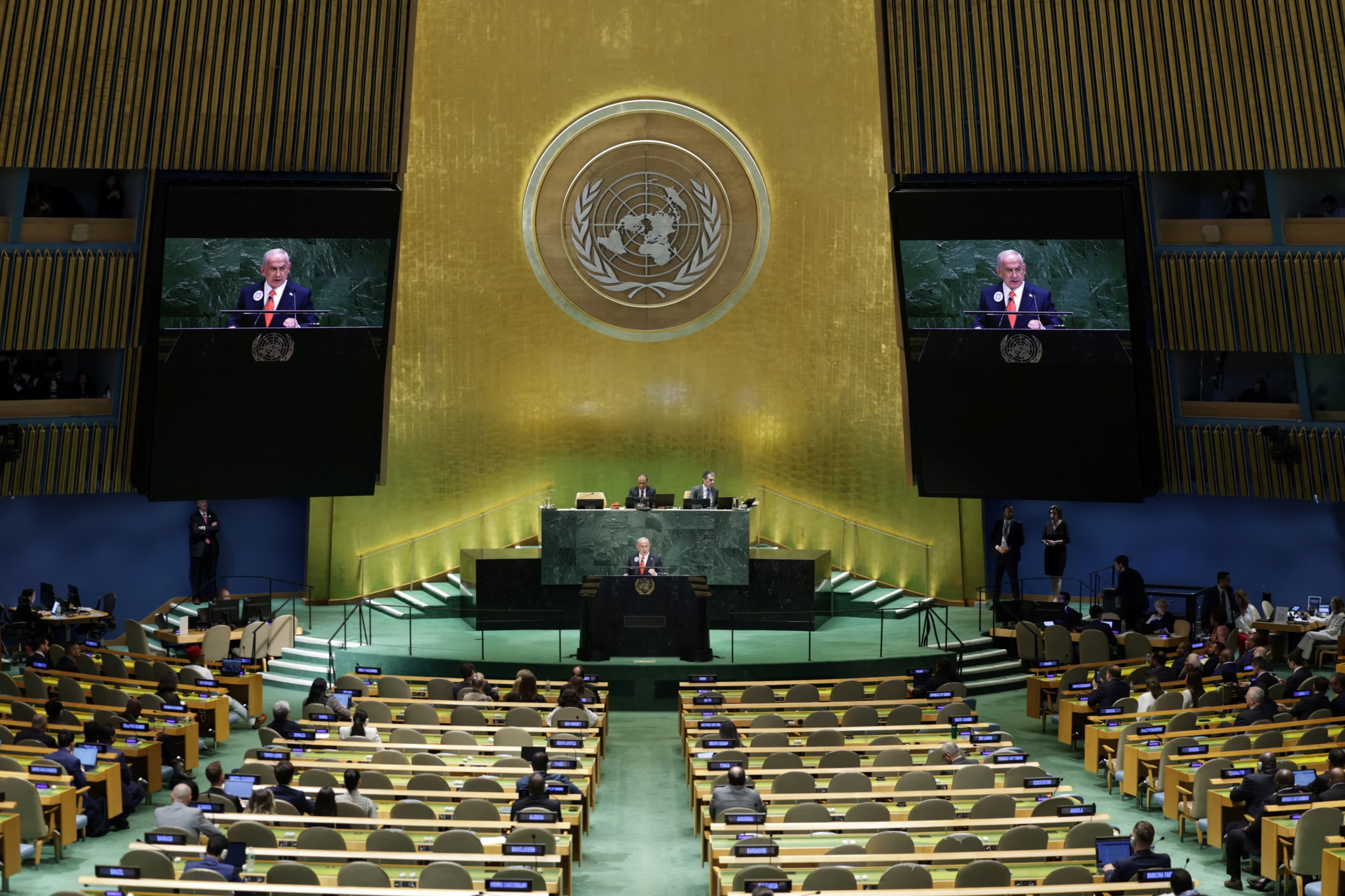
In September 2025, the world’s capitals stopped, if briefly, to listen to voices rising from the General Assembly hall in New York. The UNGAserved as a stage where leaders declared their red lines, pushed narratives, and sought to influence global norms on war, climate, AI, justice, and development. But as always, what happened after the applause matters most. This article walks through what countries said from Indonesia’s cautious pivot to Colombia’s moral fire and what the world may do next.
The General Assembly is often dismissed as symbolic, but in 2025 it felt more like a crisis summit. The war in Ukraine drags on without deterrence. The conflict in Gaza has become a humanitarian catastrophe. Climate extremes ravaged vulnerable nations. Emerging technologies particularly artificial intelligence are shifting power asymmetries faster than diplomacy can respond.
Into that storm, member states poured speeches, proposals, confrontations and pleas. The themes that dominated: recognition of Palestine, enforcement of human rights, governance of AI, the future of multilateral finance, climate loss & damage, and accountability for conflict.
What Indonesia Said at UNGA: Conditional Paths and Peacekeeping Offers
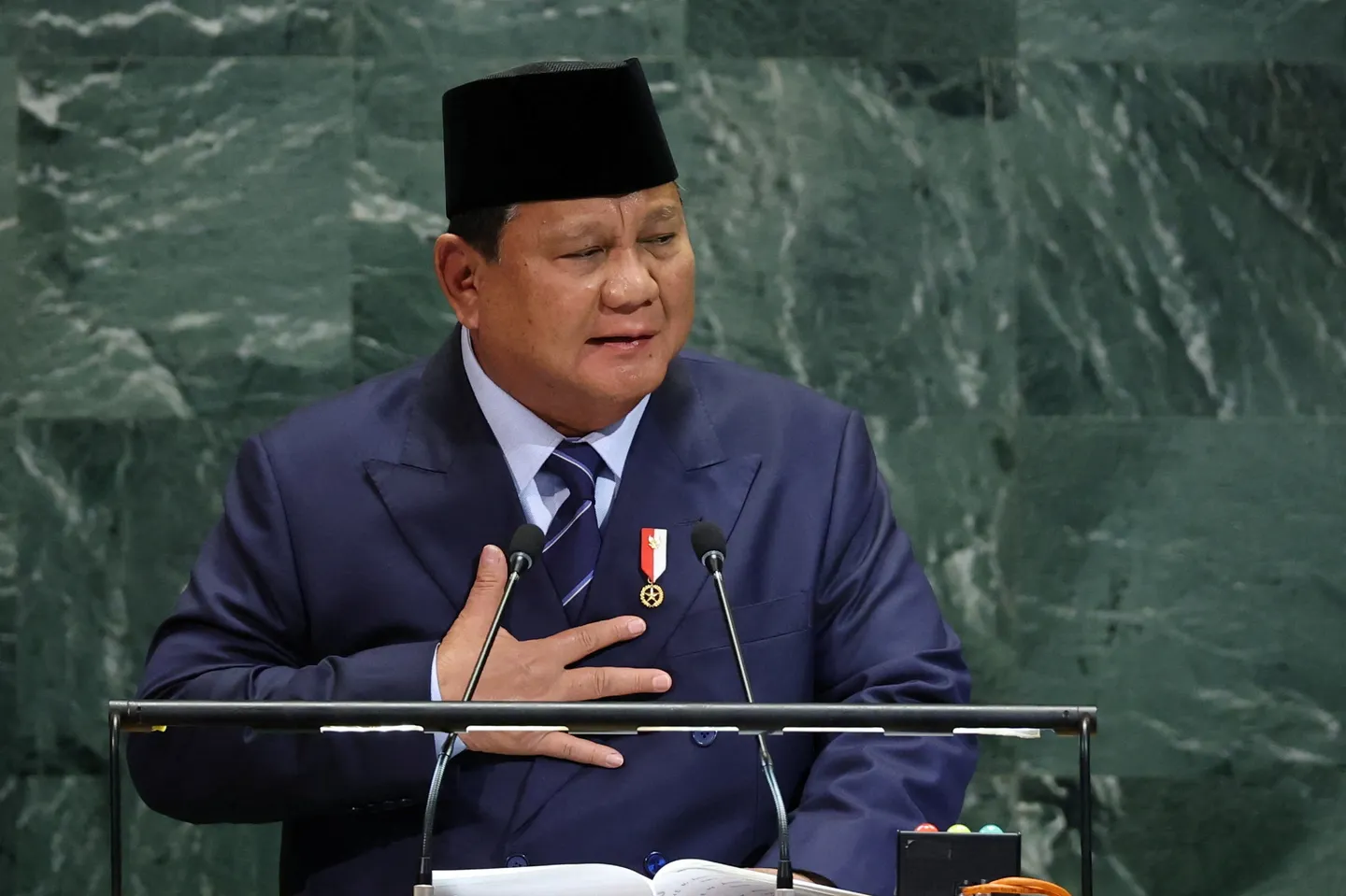
Indonesia’s President Prabowo Subianto delivered one of the more nuanced interventions at UNGA 2025. While reaffirming Jakarta’s solidarity with the Palestinian cause, he introduced a conditional approach to recognizing Israel: Indonesia would consider recognition only if fundamental Palestinian rights (statehood, borders, governance) are honored. This offers flexibility without betraying domestic sentiment. He also pledged peacekeeping support for crisis zones Gaza, Ukraine, Sudan positioning Indonesia as a more active global actor. (setkab.go.id)
His speech carried subtext: Indonesia wants diplomatic space, not binary alignments. In a world polarized between blocs, such conditional ambivalence may be a survival strategy but it also carries risk that both sides may doubt the sincerity of its position.
France at UNGA: Recognition and Pressure in Tandem
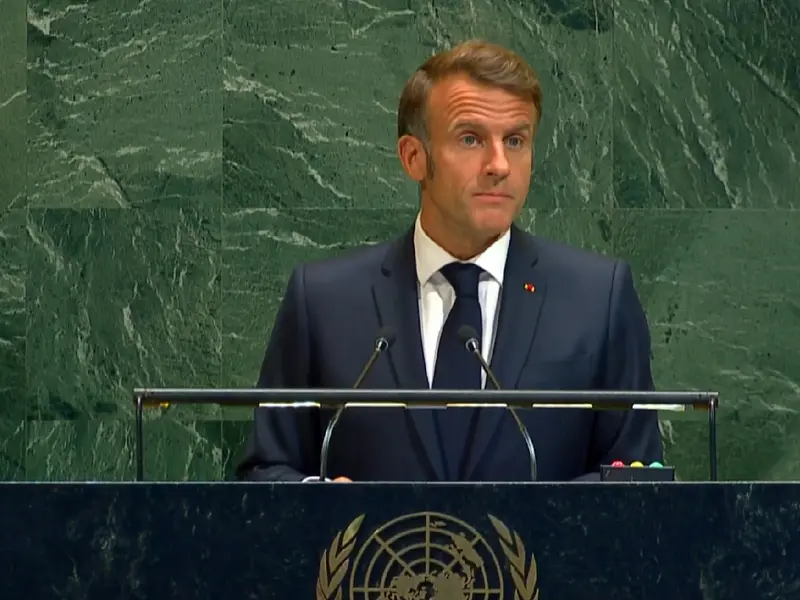
France made headlines by formally recognizing Palestine just before or during the assembly, giving its UNGA presence both symbolic and strategic weight. President Emmanuel Macron used his speech to assert that recognition is not a renunciation of Israel’s security, but a step toward a necessary political framework. He also criticized arms suppliers, urged reconstruction and governance plans, and challenged global powers to do more. (aljazeera.com)
In one sharp moment, Macron urged President Trump: if he truly wants the Nobel Peace Prize, he should “stop the war in Gaza.” That jibe reframed diplomatic confrontations into moral tests. France sought not just applause, but to shape the terms of Palestinian reconstruction and accountability.
Colombia at UNGA: Fire, Framing & Global South Critique
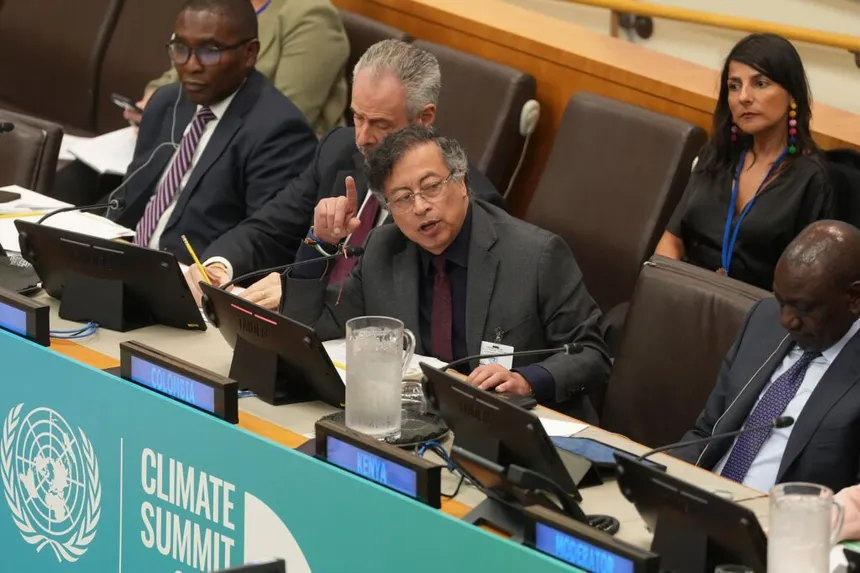
Colombia’s President Gustavo Petro seized UNGA’s spotlight with a powerful and polarizing address. He denounced the Gaza campaign as “genocide,” called for a special international force to protect Palestinians, and painted U.S. decertification of Colombia over drug policy as evidence of a corrupt and hypocritical global order. His thesis: the Global South is punished for survival, while powerful nations evade accountability. (See coverage of Colombia Reports, Garda Debate)
Petro’s rhetorical fire resonated across Latin America for many, he embodied a defiant voice speaking on behalf of marginalized nations. Critics in Washington saw it as grandstanding, but for his domestic base, his UNGA speech was a claim to moral leadership. The U.S. delegation reportedly walked out during parts of it.
United States at UNGA: Bluntness, Leverage & Limits
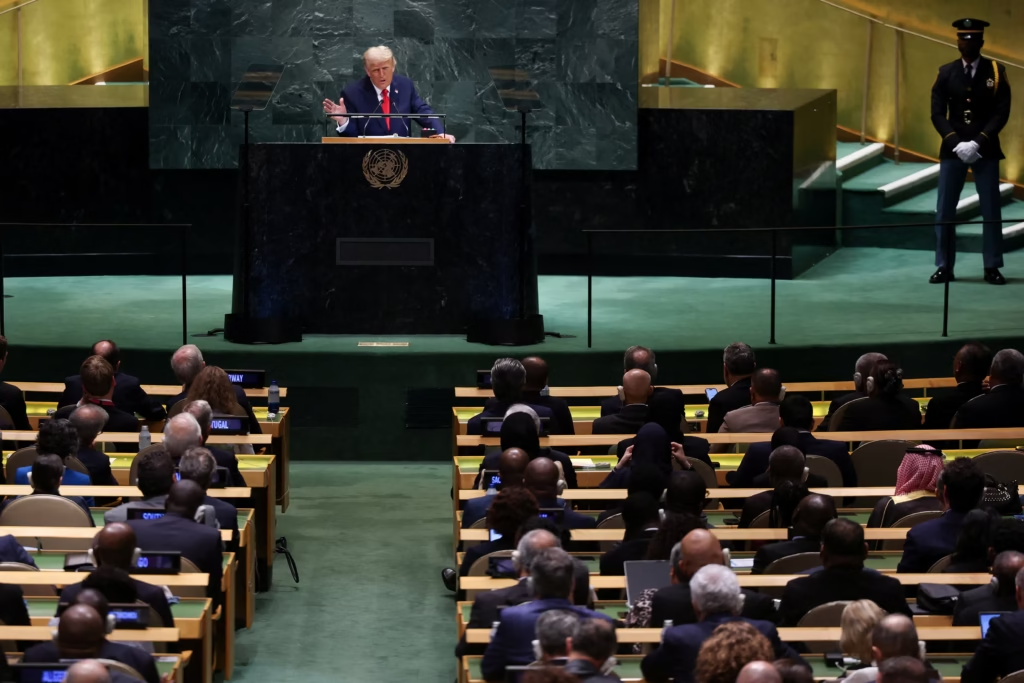
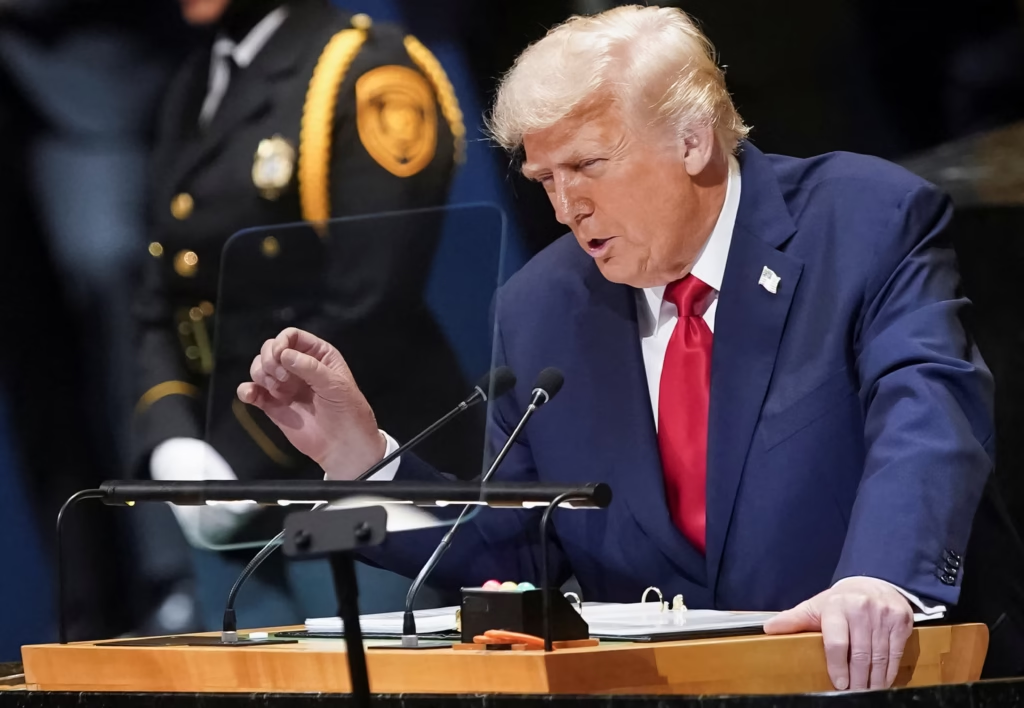
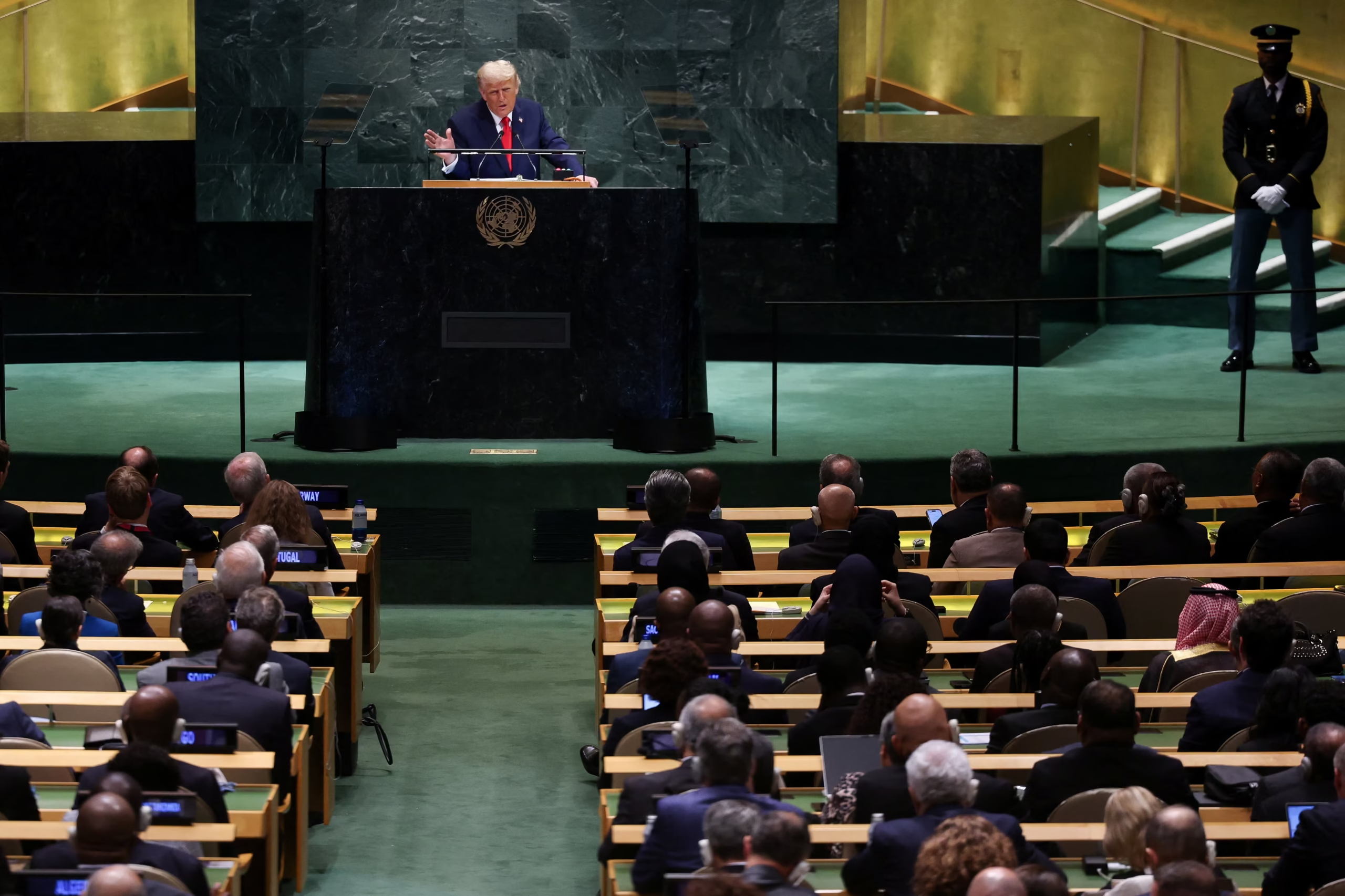
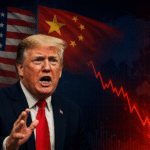
President Donald Trump’s address was, by design, confrontational and self-assertive. He criticized global institutions, attacked climate policies he called “elite folly,” and signalled that U.S. priorities would be transactional. He reaffirmed hard lines on Russia, acknowledged continued support for Ukraine (in military tradeoffs), and resisted pressure to recognize Palestine. (reuters.com)
The speech embodied the tension: the U.S., more than any other, shapes the architecture of enforcement at the UN. But its worldview now feels more disruptive than cooperative. For many attending, the U.S. presence at UNGA is less about consensus and more about setting the guardrails of acceptable divergence.
Ukraine at UNGA: Alarm Bells, Technology & Global Coalitions
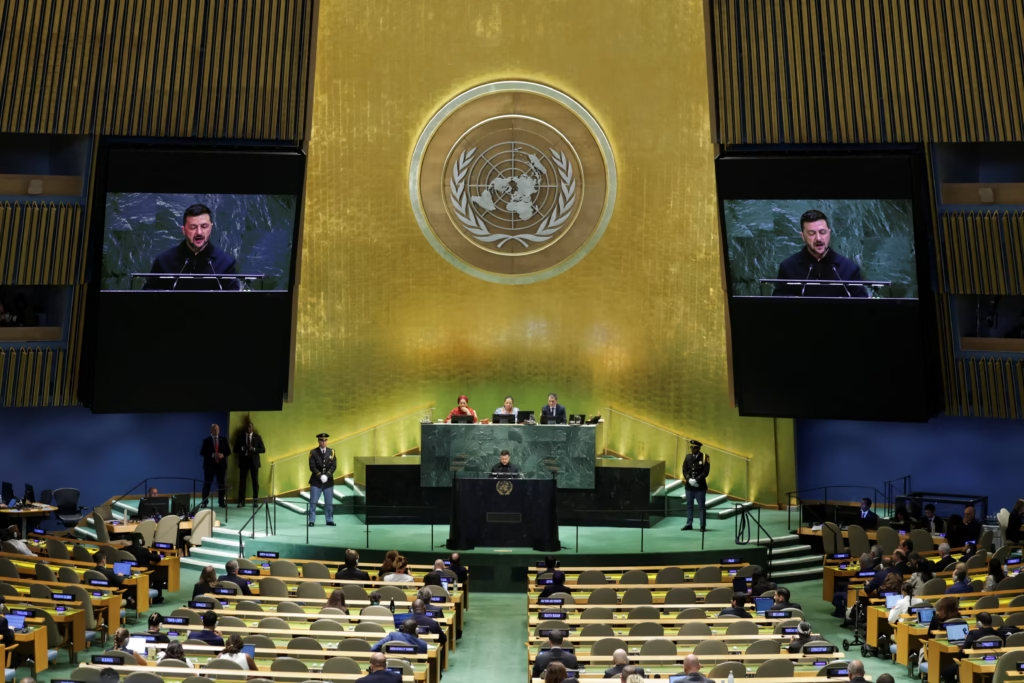
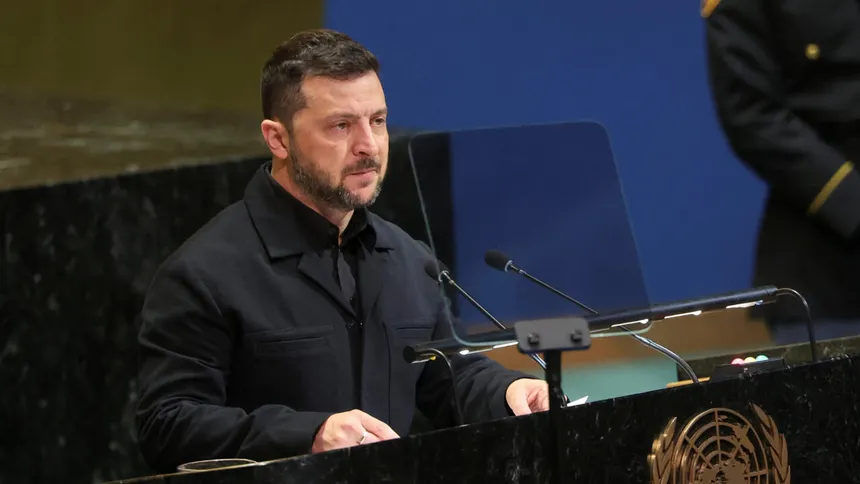
President Zelenskyy addressed UNGA with urgency. He warned that failure to stop Russia would invite a new era of unlimited drone warfare, cyber conflict, and autonomous weapon escalation. He called for global rules on military AI and long-term security guarantees for frontline nations. The war cannot be a frozen conflict, he argued; it must reshape global defense architecture. (reuters.com)
Ukraine’s demands are ambitious and difficult norms for AI are nascent, and enforcement is hard. But the moral clarity it brought to UNGA reinforced the notion that war is not only physical but normative: who decides the rules of future war?
Russia, China & the Clash over Multipolar Order
Russia used UNGA to defend its narrative painting sanctions as tyranny, justifying military actions as defensive, and accusing the West of breaking international law. China, meanwhile, emphasized stability, development, and multilateral economic cooperation, warning against a technology regime dominated by Western powers.
Their combined message: the architecture of global governance must evolve beyond U.S. centrality. That argument will define how future norms on AI, digital regulation, sovereignty, and security are designed.
Regional Power Voices: South Africa, India, Brazil & More
South Africa warned that economic sanctions and trade pressure are becoming new forms of coercion, arguing that developing states deserve protection from weaponized finance.
Brazil urged global equity, criticized extractive exploitations, and emphasized the need for funding formulas that don’t punish climate-vulnerable nations.
India emphasized strategic autonomy: it pushed for tech transfer in climate mitigation, reform of international financial institutions, and bilateral development partnerships rather than top-down mandates.
These speeches underscored a shared view among developing and middle states: they seek not only survival but voice, agency, and structural reform in a system built in another era.
Civil Voices and Side Events: The Human Pulse of UNGA
Much of UNGA’s real power lies off the main stage. Aid organizations, NGOs, survivors of conflict, climate refugees and grassroots coalitions used side events to challenge states to deliver.
One poignant moment: medical NGOs from Gaza projected images of hospitals without fuel, describing how children died waiting for ambulances. Another: climate activists from Pacific Islands spoke of disappearing homelands and called for binding loss & damage mechanisms not pledges.
These voices punctured political framing with lived realities. Diplomats and delegates often circulated through these events, making informal commitments or adjusting rhetoric based on what they heard.
Outcomes, Compromises & Unfulfilled Promises
What advanced
More countries publicly recognized Palestinian statehood, shifting the diplomatic baseline.
AI and technology governance was formally included in the global agenda proposals for expert panels and multilateral forums now have legitimacy.
Some states increased commitments to climate adaptation and disaster relief.
What stalled
No binding resolution on Gaza ceasefire overcame veto power in the Security Council.
Financing for reconstruction and climate loss & damage remained underambitious compared to promises.
Reform of global institutions (Security Council expansion, voting weight in financial institutions) remained largely aspirational.
Why UNGA Still Matters, Beyond the Stage Lights
To dismiss the assembly as “only speeches” is to miss how global norms are shaped. UNGA’s rhetoric becomes part of diplomatic dossiers, media framing, civil society pressure, and legal arguments.
Aid allocations and donor countries often use UNGA commitments as justification for budget lines.
States reference UNGA resolutions in courts, commissions, and international tribunals.
For citizens in conflict or climate zones, UNGA is a moment when the world is watching and promises matter, even if imperfectly fulfilled.
Challenges Ahead: Can UNGA Deliver in the Era of Crises?
UNGA faces three critical tests:
From Norms to Enforcement: Declarations only matter if backed by monitoring, verification, accountability. The General Assembly lacks the teeth for enforcement that remains in the Security Council and in state willingness.
Crisis Fatigue vs Sustained Pressure: With overlapping crises, attention and resources are finite. Will the world continue to prioritize Gaza, Ukraine, climate, AI all at once or will some fade?
Reinventing Multilateralism: The old order fixed institutions, global north dominance is under strain. UNGA’s future depends on how well it mediates between rising powers, developing states, tech shifts and security demands.
Conclusion
The UNGA 2025 was dramatic. Leaders from Indonesia, France, Colombia, the U.S., Ukraine, and dozens more spoke with anger, hope and challenge. But even the most stirring words must find translation in budgets, law, diplomacy and enforcement.
That is the test: whether after the speeches fade, the world moves on reconstruction, norms for future warfare, climate justice, and structural reform. UNGA is not the destination; it is the barometer. And in 2025, it recorded a planet more fractured, more anxious but still seeking consensus.
Abhi Platia is a financial analyst and geopolitical columnist who writes on global trade, central banks, and energy markets. At GeoEconomic Times, he focuses on making complex economic and geopolitical shifts clear and relevant for readers, with insights connecting global events to India, Asia, and emerging markets.