The U.S. Supreme Court has entered its new term with one of the most consequential dockets in decades: a direct review of former President Donald Trump’s executive powers. At stake are questions that cut to the heart of American democracy and governance the scope of presidential authority over tariffs, the power to dismiss Federal Reserve officials, and other high-stakes cases that could redefine the separation of powers.
This legal battle is not only about Trump but about how far executive authority can stretch in the 21st century, in an era of globalization, financial turbulence, and deep partisan divides.
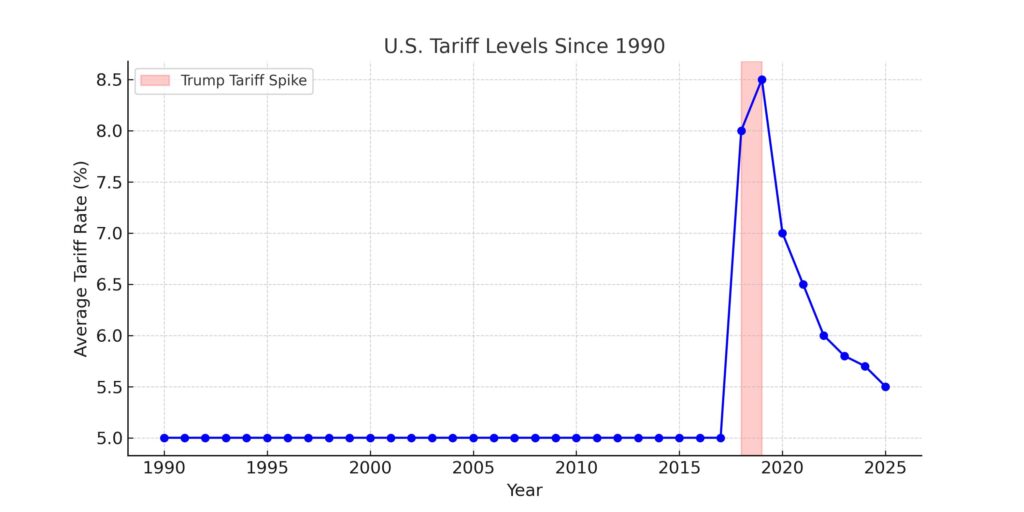
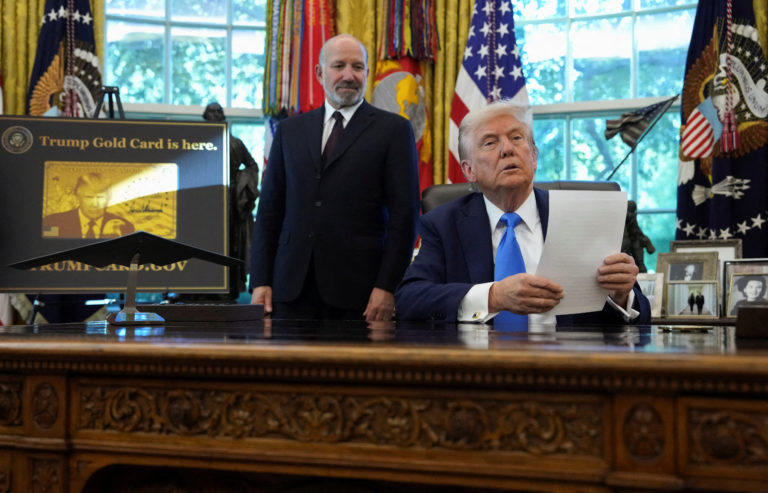
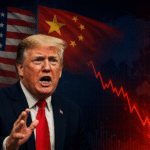
One of the central challenges is Trump’s use of Section 232 of the Trade Expansion Act to impose tariffs on steel, aluminum, and, later, the threat of 100% tariffs on foreign-made movies. Critics argue this grants the president near-dictatorial powers in trade policy, bypassing Congress’s constitutional role.
Precedent: Past presidents have used Section 232 sparingly. Trump expanded it aggressively, framing tariffs as a national security measure.
What’s at stake: If the Court narrows executive power here, future presidents may lose a critical tool for pressuring trade partners like China, the EU, and India.
2. Firing of Federal Reserve Officials
Another critical question is whether a president can dismiss Federal Reserve governors, or even the chair, at will.
The Fed was designed to be independent of political cycles, shielding monetary policy from electoral pressures.
Trump repeatedly clashed with Jerome Powell over interest rate hikes, even floating the idea of firing him.
A Supreme Court ruling in Trump’s favor could politicize the Fed, sending tremors through global markets.
3. Other Executive Powers Under Scrutiny
Beyond tariffs and the Fed, the Court will hear cases touching on Trump’s use of emergency declarations, executive orders, and his latitude in bypassing Congress. This echoes disputes from FDR’s New Deal to Nixon’s Watergate era.
Historical Parallels: Lessons from the Past
The United States has faced executive power controversies before:
Youngstown Sheet & Tube v. Sawyer (1952): The Court stopped President Truman from seizing steel mills during the Korean War, reaffirming limits on presidential authority.
U.S. v. Nixon (1974): The Court forced Nixon to release Watergate tapes, proving no president is above the law.
Cheney v. U.S. District Court (2004): Reinforced some executive privilege but kept checks intact.
The Trump cases could now join these landmark rulings, setting new boundaries for the “imperial presidency.”
Market and Economic Implications
For the U.S. Economy
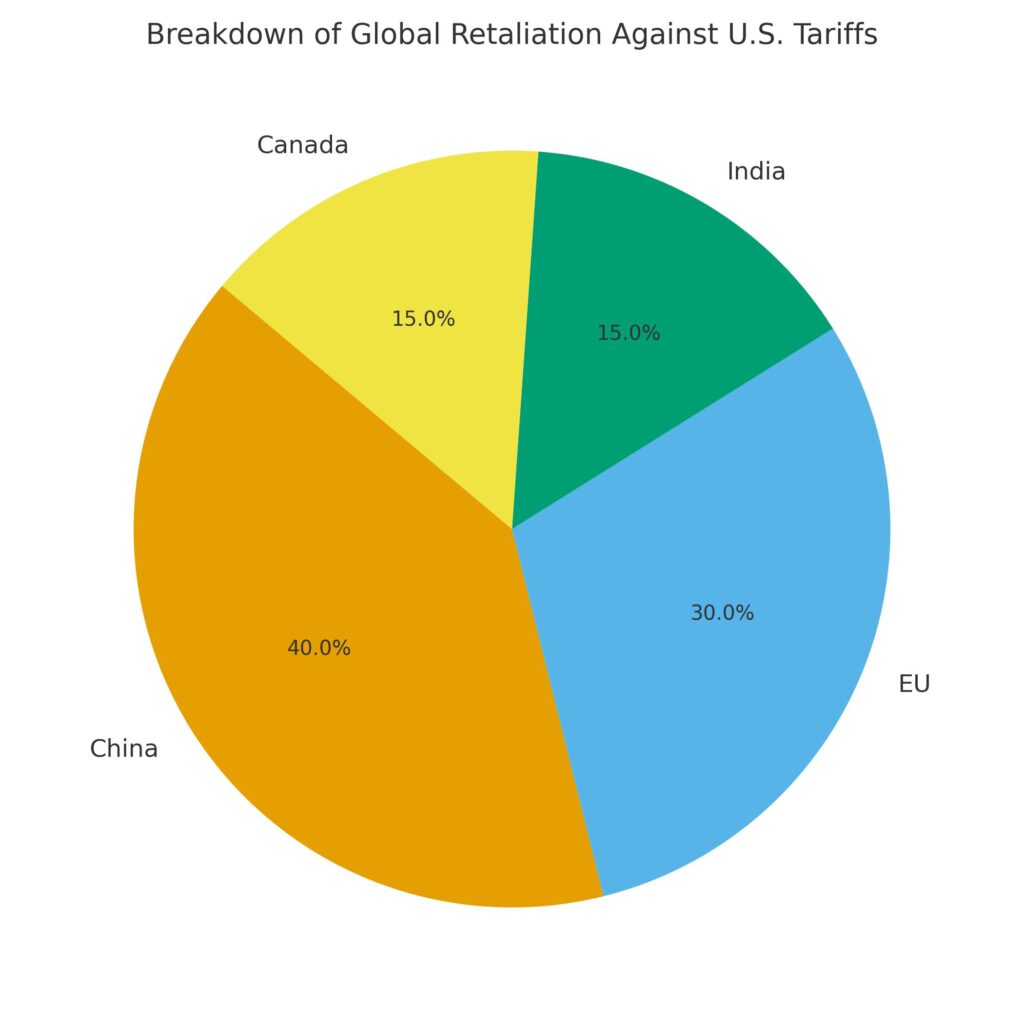
If tariffs are curtailed: Markets may stabilize, especially in manufacturing and consumer goods sectors that faced retaliatory tariffs from China and the EU.
If presidential tariff powers are upheld: Expect heightened trade volatility, as future presidents may use tariffs as a weapon, not a scalpel.
For the Federal Reserve
If firing Fed officials is allowed: Investors may price in higher risk premiums, fearing policy driven by politics rather than economics. The dollar could weaken, and U.S. Treasuries may face greater scrutiny.
If Fed independence is reaffirmed: Markets gain confidence that monetary stability will be preserved, even during political storms.
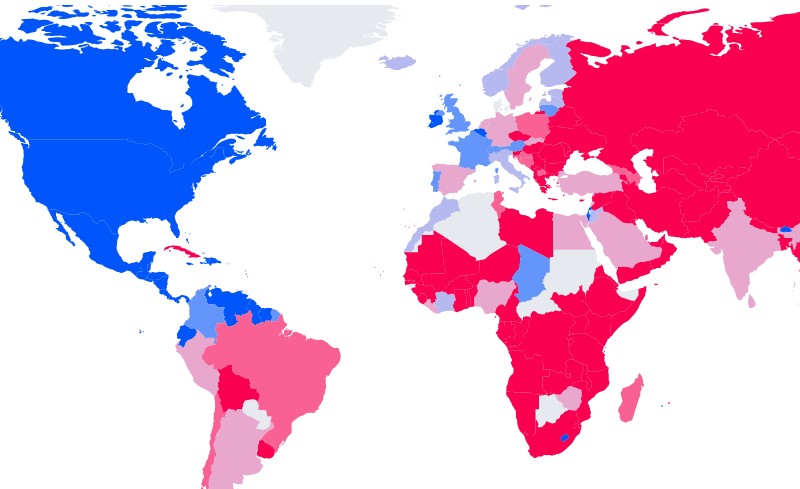
Global Ripples: India, Middle East, and Beyond
India’s Stakes
India has faced U.S. tariff threats before including Trump’s withdrawal of Generalized System of Preferences (GSP) benefits.
A Court ruling favoring broad tariff powers could expose India again to unilateral U.S. trade shocks.
Conversely, limits on tariffs would give India breathing room in U.S.-India trade negotiations.
Middle East
Tariff authority also intersects with U.S. sanctions policy, often used against Iran. If presidential latitude is curbed, Congress may play a larger role in sanction design altering Middle East geopolitics.
China and the EU
Both have warned against “weaponized tariffs.” A pro-Trump ruling could embolden tit-for-tat trade wars, straining WTO mechanisms.
Expert Views: The Debate Intensifies
Brookings Institution: Warns that unchecked tariff powers risk “eroding Congress’s constitutional authority” and destabilizing the rules-based order.
Cato Institute: Argues that Trump’s expansive reading of Section 232 “threatens both the economy and separation of powers.”
Pro-Trump Legal Analysts: Maintain that in a rapidly changing world, presidents need flexibility to act fast, especially in national security-linked trade disputes.
One Georgetown law professor commented:
“This is not about Trump alone. It’s about whether we envision the presidency as a restrained office or as a 21st-century monarchy under another name.”
Creates partial clarity but leaves long-term uncertainty.
Why This Matters for Democracy
This review is not just legal theater it is a referendum on the balance of power in America. The Court’s decision will either rein in the “imperial presidency” or embolden it further.
For everyday citizens, the implications range from the price of imported goods to the stability of the U.S. dollar. For allies like India, Europe, and Japan, it will define whether Washington remains a predictable partner or a volatile power.
In essence, the Court is deciding not only Trump’s legacy but the contours of presidential authority for decades to come.
Conclusion
The U.S. Supreme Court’s decision to review Trump’s executive powers marks a defining moment in American constitutional law. Whether the Court narrows or expands presidential authority will shape not only the next administration but the entire global economic order.
Markets, allies, and rivals are watching closely. And while Trump may be the face of this case, its outcome will outlive him determining whether the U.S. presidency remains bound by law or transforms into something far more commanding.
Abhi Platia is a financial analyst and geopolitical columnist who writes on global trade, central banks, and energy markets. At GeoEconomic Times, he focuses on making complex economic and geopolitical shifts clear and relevant for readers, with insights connecting global events to India, Asia, and emerging markets.