


Markets dislike uncertainty, and few uncertainties are as disruptive as a looming U.S. government shutdown. As the deadline for congressional negotiations approaches, Wall Street is already signaling its unease. Major indexes slid modestly this week, while Treasury yields ticked higher, reflecting both investor anxiety and the pricing-in of political dysfunction. But the implications go far beyond New York trading floors stretching from Asia’s export economies to Europe’s debt-laden markets, and even India’s growing investment landscape.
What Is Driving the Market Slide?
The immediate catalyst is Washington gridlock. If lawmakers fail to reach agreement on federal funding, the U.S. government could partially shut down, delaying salaries for federal employees, disrupting services, and temporarily weighing on economic growth. Historically, shutdowns shave 0.1%–0.3% off quarterly GDP per week, according to Congressional Budget Office estimates. While these losses are often made up later, the near-term disruption to consumer spending and confidence is real.
Investors are also jittery because the shutdown risk comes amid other pressures: stubborn inflation, the Federal Reserve’s hawkish stance, and global geopolitical crises. In this sense, the shutdown is not just a political nuisance but a multiplier of existing market stress.
Lessons From Past Shutdowns
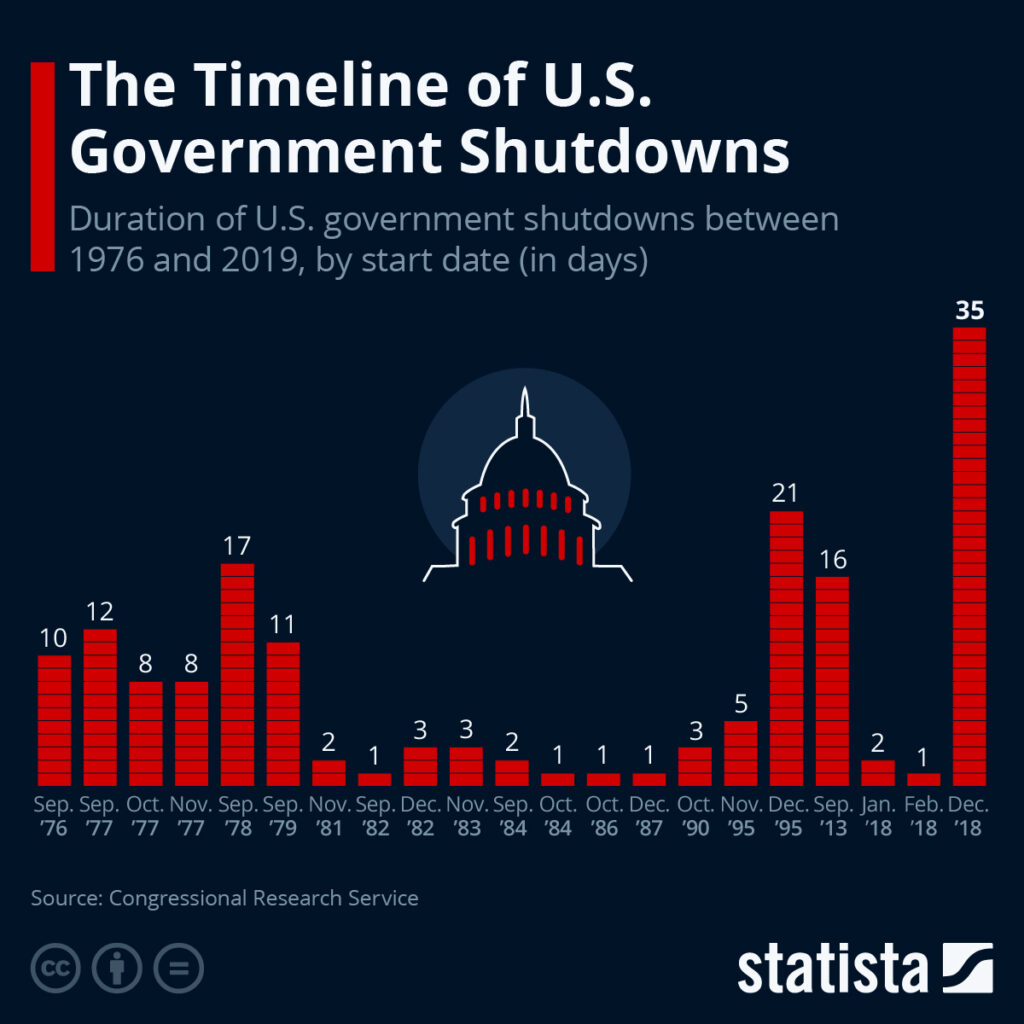
The U.S. has experienced 21 funding gaps since 1976. Notably:

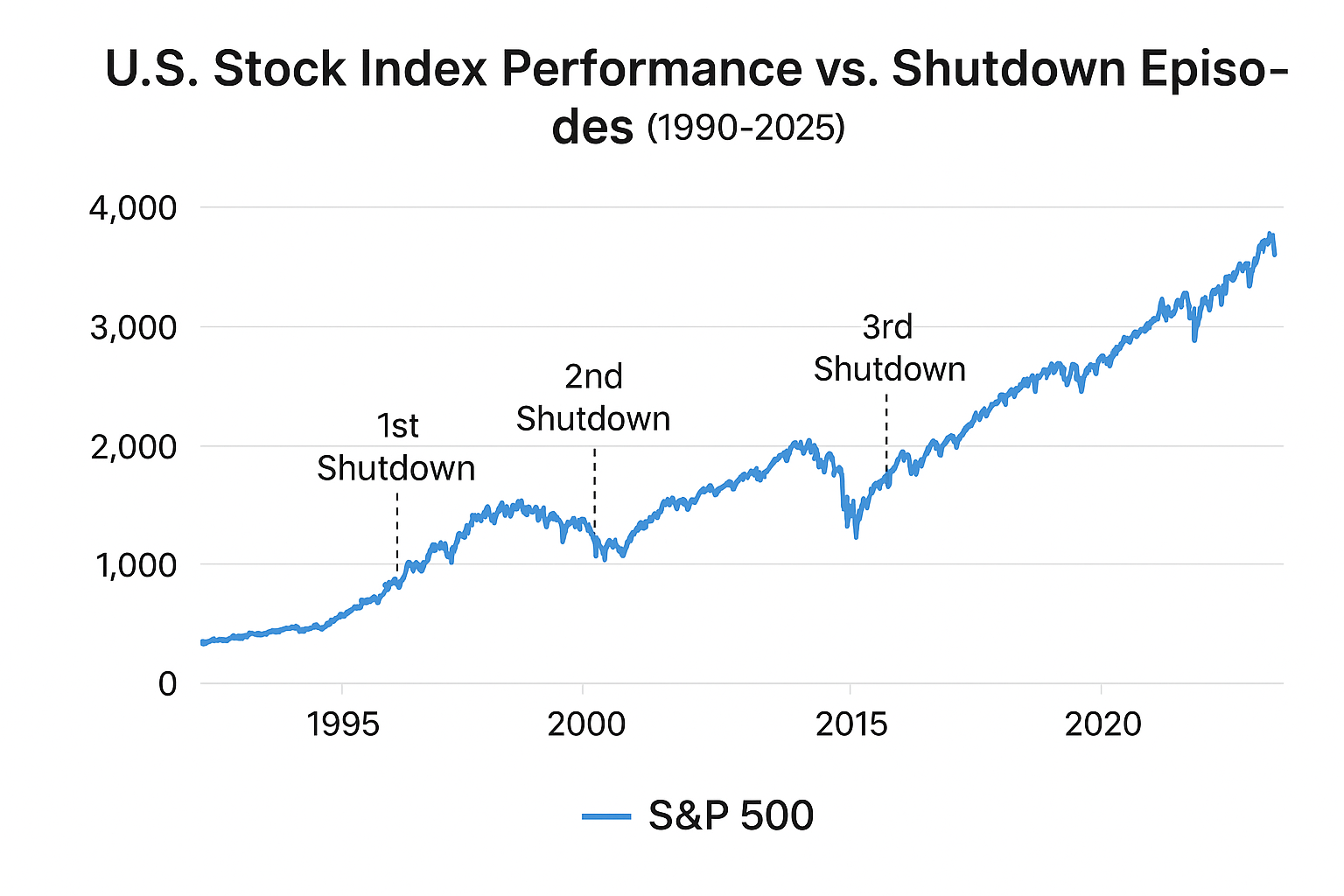
- 2013: A 16-day shutdown over healthcare funding rattled markets but caused only a temporary GDP dip.
- 2018–2019: The longest shutdown in U.S. history (35 days) disrupted travel, agriculture, and business confidence.
- Current Context: What makes 2025 different is that the shutdown risk overlaps with high fiscal deficits, rising debt-servicing costs, and fragile investor sentiment after multiple interest-rate hikes.
Thus, while markets typically “shrug off” shutdowns after a rebound, today’s fragile macroeconomic environment makes the risks more pronounced.
Global Ripple Effects
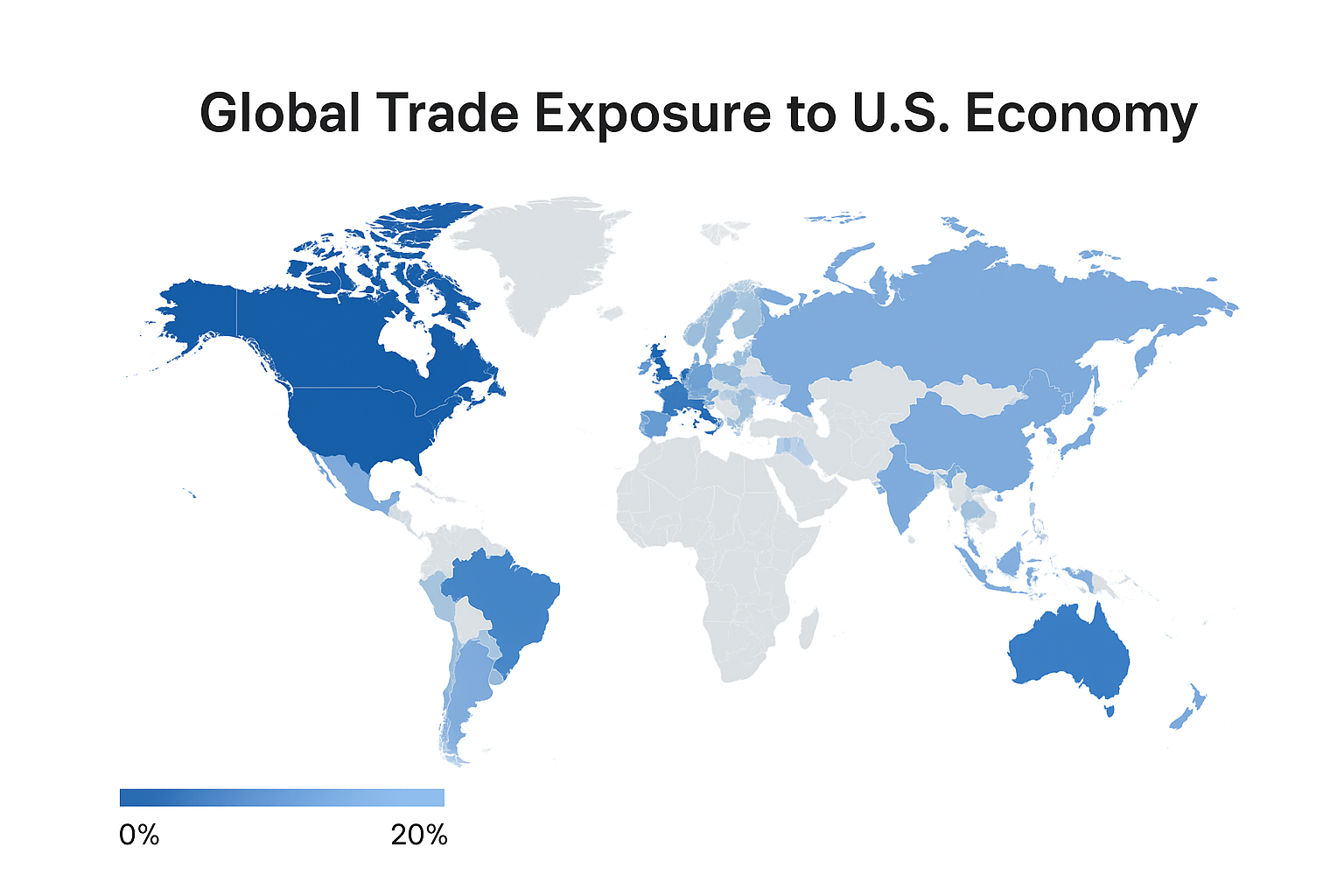
- Asia: Export-driven economies like China, South Korea, and Japan rely on U.S. demand. A shutdown that dampens U.S. consumer spending will hit electronics and auto exports.
- Europe: Already strained by energy shocks and sluggish growth, European markets fear a U.S. slowdown could choke demand for luxury goods, machinery, and industrial products.
- India: With growing integration into global markets, India’s IT and outsourcing firms could see delays in U.S. government contracts. However, India may also benefit if global investors diversify away from U.S. risk assets.
- Middle East: Oil-exporting countries track U.S. demand closely. Any economic slowdown could affect energy consumption, pressuring OPEC+ strategies.
Investor Behavior: Safe Havens in Play
During shutdown scares, investors often flee to safe assets:
- Gold prices have firmed, signaling demand for hedges.
- Treasury yields may paradoxically rise, as U.S. debt issuance continues but political uncertainty undermines confidence.
- Dollar impact: The greenback could weaken if shutdown fears worsen, providing a relative boost to emerging-market currencies.
Expert Views
Economist Diane Swonk recently noted that “markets can withstand a short shutdown, but the political message of fiscal irresponsibility is more damaging than the economic impact itself.” Similarly, BlackRock analysts warned that repeated shutdowns erode global investor trust in U.S. governance, which could raise long-term borrowing costs.
Possible Scenarios Ahead
- Quick Resolution (Low Impact): Lawmakers strike a short-term deal; markets rebound quickly.
- Prolonged Shutdown (Medium Impact): GDP slows, consumer sentiment sags, and markets drift downward.
- Prolonged Plus Debt Ceiling Crisis (High Impact): If the shutdown debate spills into debt-ceiling negotiations, global financial turmoil could follow similar to the 2011 downgrade of U.S. debt by S&P.
Local Angle: Why India Should Watch Closely
For Indian investors, a U.S. shutdown matters for two reasons:
- Equity flows: FIIs (foreign institutional investors) may pull back capital from Indian markets if risk sentiment deteriorates globally.
- Currency impact: A weaker dollar could strengthen the rupee temporarily, but volatility may disrupt IT exporters.

India’s policymakers are also eyeing this moment to pitch India as a more “stable democracy” for global investors compared to the U.S.’s gridlock.
Conclusion: More Than Political Theater
While shutdowns are often dismissed as short-term spectacles, the 2025 version carries outsized risks. In an era of high debt, fragile growth, and multipolar geopolitics, the world is less forgiving of U.S. dysfunction. Investors from Mumbai to Munich are watching not just the immediate headlines but the long-term credibility of American governance.


Abhi Platia is a financial analyst and geopolitical columnist who writes on global trade, central banks, and energy markets. At GeoEconomic Times, he focuses on making complex economic and geopolitical shifts clear and relevant for readers, with insights connecting global events to India, Asia, and emerging markets.