


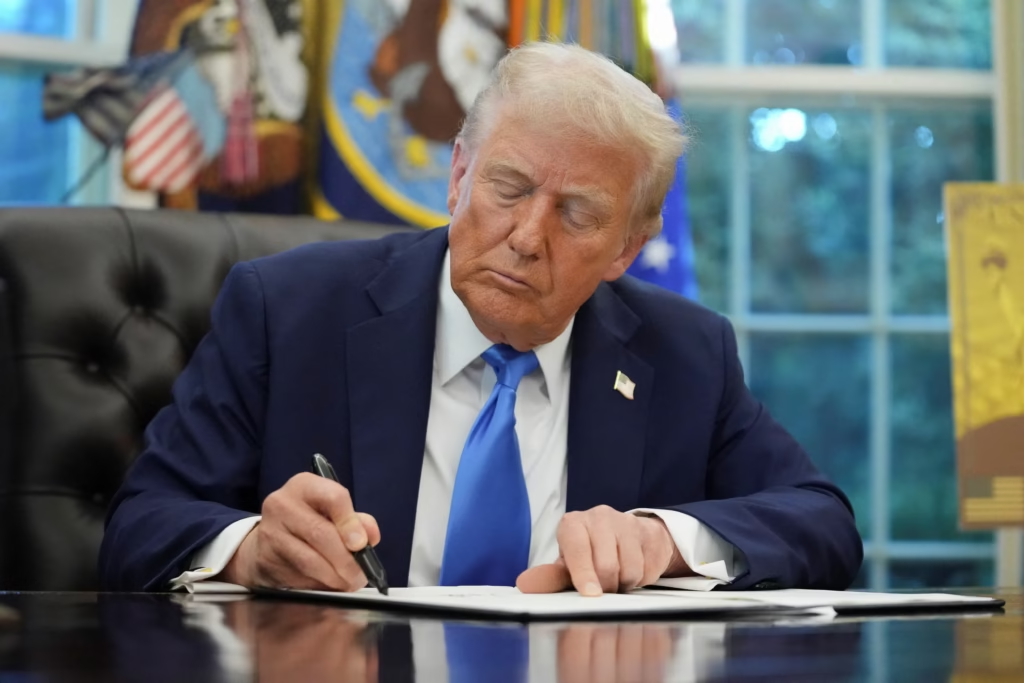
When Donald Trump announced a 100% tariff on all foreign-made movies, it wasn’t just another trade policy headline. It marked the opening of a new front in the global trade war culture. For decades, the U.S. has exported Hollywood blockbusters to the world, but also welcomed foreign films that enriched its cultural diversity. This move directly challenges that balance, with ripple effects likely to stretch far beyond cinema halls.
The Policy Explained
According to Trump’s remarks, the tariffs would:
- Double the cost of importing any non-U.S. film.
- Cover both theatrical releases and streaming rights.
- Apply retroactively to deals signed in 2025 onward.
The justification: to “protect American cultural jobs” and reduce what Trump called “unfair competition from subsidized foreign film industries,” particularly targeting Europe and Asia.
The Numbers Behind the Drama
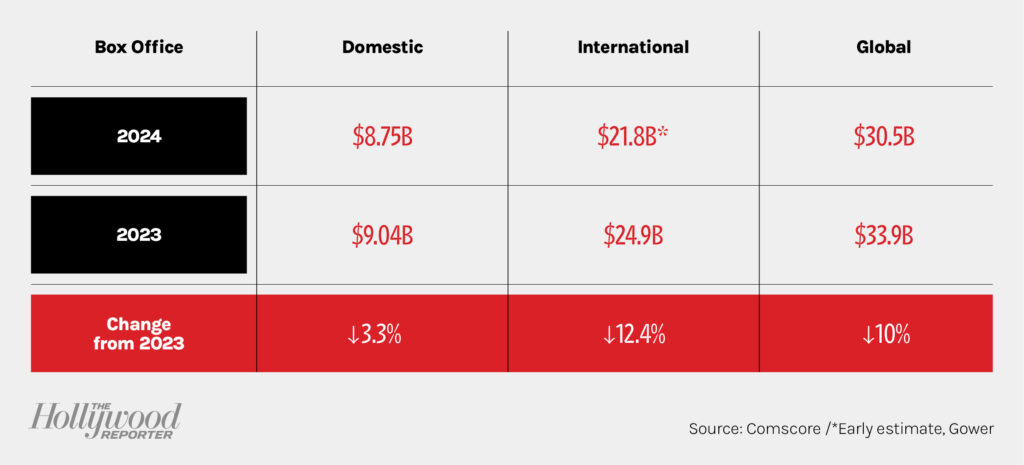
- In 2023, foreign films earned $580 million at the U.S. box office (NATO data).
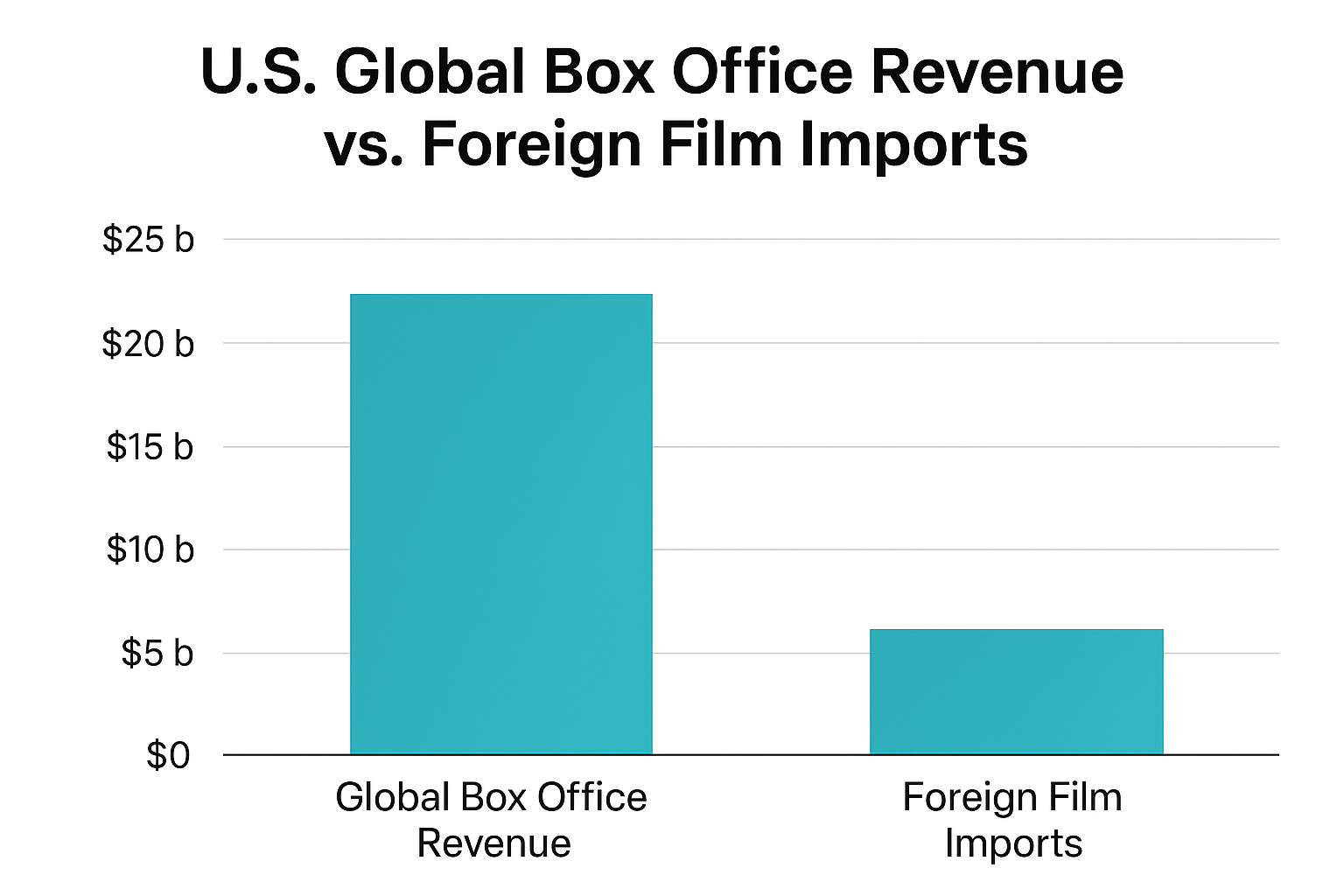
- Platforms like Netflix, Amazon Prime, and Hulu invested over $2.5 billion annually in acquiring foreign-made titles.
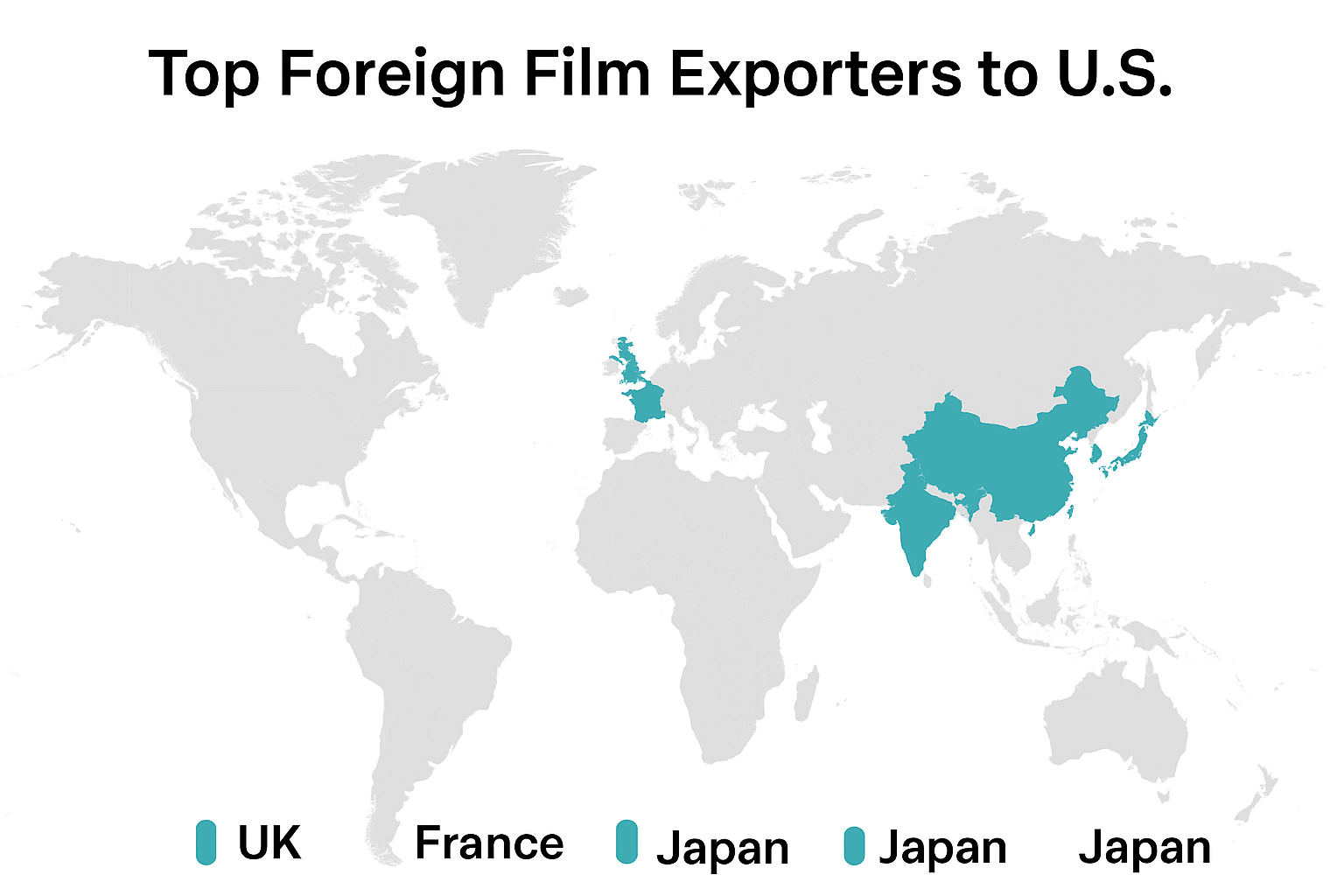
- Countries like India, South Korea, France, and Japan have strong government support for film industries, often through subsidies, quotas, and tax breaks.
This tariff effectively doubles distribution costs, making foreign films less viable in U.S. theaters and streaming platforms.

Historical Parallels: From Steel to Cinema
Tariffs are not new in Trump’s playbook. In 2018, his administration imposed steep duties on steel and aluminum imports, sparking retaliation from China and the EU. But unlike steel, movies are not just commodities they are symbols of culture, diplomacy, and soft power.
Past cultural protectionism includes:
- France’s “cultural exception” policy, reserving TV slots for French content.
- China’s film quotas, capping foreign releases at ~34 per year.
- India’s screen quotas to protect Bollywood dominance.
Trump’s move flips the script: for the first time, the U.S. is walling off its screens.
Expert Voices & Opinions
“This is not just about jobs, it’s about America’s cultural identity being leveraged as a trade weapon,” says Dr. Emily Carter, Professor of Global Media at Georgetown University.
“Foreign retaliation is almost certain. We could see Europe banning certain U.S. films or streaming deals in response,” warns Richard Hayes, trade lawyer at Baker McKenzie.
Indian industry insiders add another dimension:
“Bollywood’s growing crossover into the U.S. market from RRR to Dangal will be hit hard. It’s a cultural setback, not just an economic one,” notes Mumbai-based producer Anurag Sharma.
Local Angle: What It Means for India & Asia
For Indian, Korean, and Japanese filmmakers who saw the U.S. as a prestige market:
- The Indian diaspora audience (over 4.5 million in the U.S.) faces reduced access to Hindi, Tamil, and Telugu blockbusters.
- K-dramas and Korean films, which surged in U.S. popularity after Parasite and Squid Game, will become premium imports.
- Japan’s anime industry, valued at $26 billion globally, will find U.S. theatrical releases less profitable.
In essence, the tariff is a soft-power blow to Asian cinema.

Geopolitical Ripple Effects
- EU Retaliation – Expect Brussels to impose reciprocal tariffs on U.S. film studios (Disney, Warner Bros, Netflix Originals).
- China Factor – Already limiting Hollywood imports, China may now double down on self-sufficiency, strengthening domestic studios.
- Middle East & Gulf States – With growing film hubs like Saudi Arabia’s Vision 2030 push, the tariff could redirect cultural investments away from U.S. partnerships.
For Washington, this could weaken Hollywood’s global dominance and open the door for India, Korea, and Gulf states to expand influence in film diplomacy.
Timeline: Cultural Trade Flashpoints
- 1930s – U.S. places tariffs on foreign films during Depression.
- 1993 – France secures “cultural exception” in WTO talks.
- 2018 – Trump imposes steel/aluminum tariffs.
- 2020 – Global streaming boom during COVID.
- 2025 – Trump announces 100% tariff on foreign films.
Possible Scenarios Ahead
- Scenario 1: Retaliatory Trade War – EU and Asia ban or tax Hollywood films, cutting billions in overseas box office revenue.
- Scenario 2: Streaming Exodus – Netflix & Amazon may relocate foreign production rights deals offshore to bypass tariffs.
- Scenario 3: Rise of Domestic Indie Films – With less competition, U.S. independent studios may benefit.
- Scenario 4: Diplomatic Fallout – Film festivals, cultural exchanges, and co-productions decline, damaging global cooperation.
Opinion: Why This Could Backfire
The U.S. film industry is a net exporter, generating over $17 billion annually in global box office. By taxing imports, the U.S. risks retaliation that could cost Hollywood far more than it gains. Instead of protecting jobs, it could isolate American audiences and weaken U.S. cultural influence.
Conclusion: A Trade War of Stories
Tariffs on steel shape industries. Tariffs on movies shape minds. Trump’s 100% tariff on foreign-made films is not just economic policy it’s cultural warfare. For India, Asia, and Europe, it is a wake-up call to invest in alternative platforms and expand global reach beyond U.S. borders.
As the curtain rises on this new era, one question remains: Will America protect its culture or isolate it?


Abhi Platia is a financial analyst and geopolitical columnist who writes on global trade, central banks, and energy markets. At GeoEconomic Times, he focuses on making complex economic and geopolitical shifts clear and relevant for readers, with insights connecting global events to India, Asia, and emerging markets.