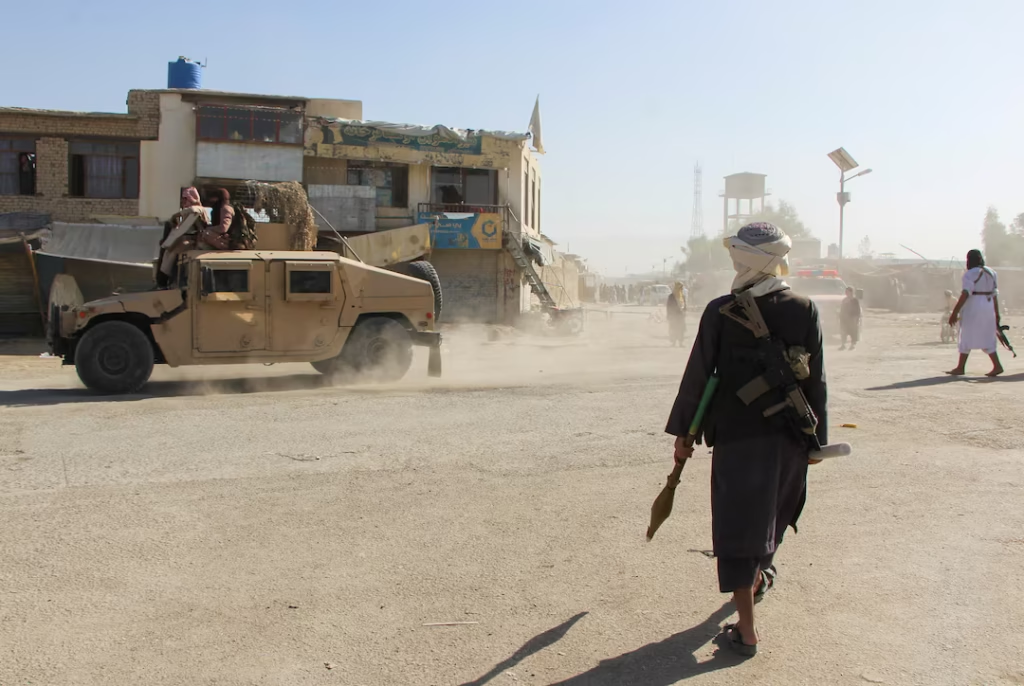
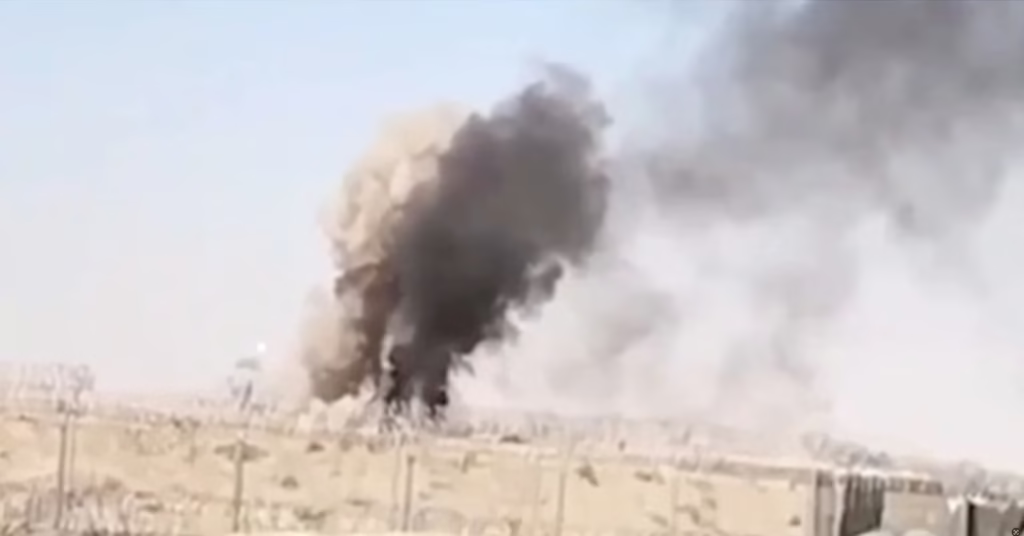
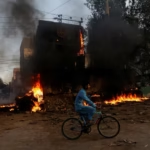
In a shocking escalation of cross-border violence, air-strikes attributed to Pakistan in Afghanistan’s southeastern Paktika province reportedly killed three Afghan cricketers and at least five others, sparking immediate condemnation across the global cricket community and raising serious questions about the broader geopolitical fallout.
The victims were travelling back to Urgun district after a friendly match in Sharana, when the strike struck. According to the Afghanistan Cricket Board (ACB), the attack was “targeted in a cowardly act carried out by the Pakistani regime.” In response, Afghanistan has withdrawn from the upcoming Tri-Nation T20 series scheduled in Pakistan.
What started as a sports tragedy has rapidly turned into a serious diplomatic and regional security crisis. Here’s how it matters to cricket, to the region and beyond.
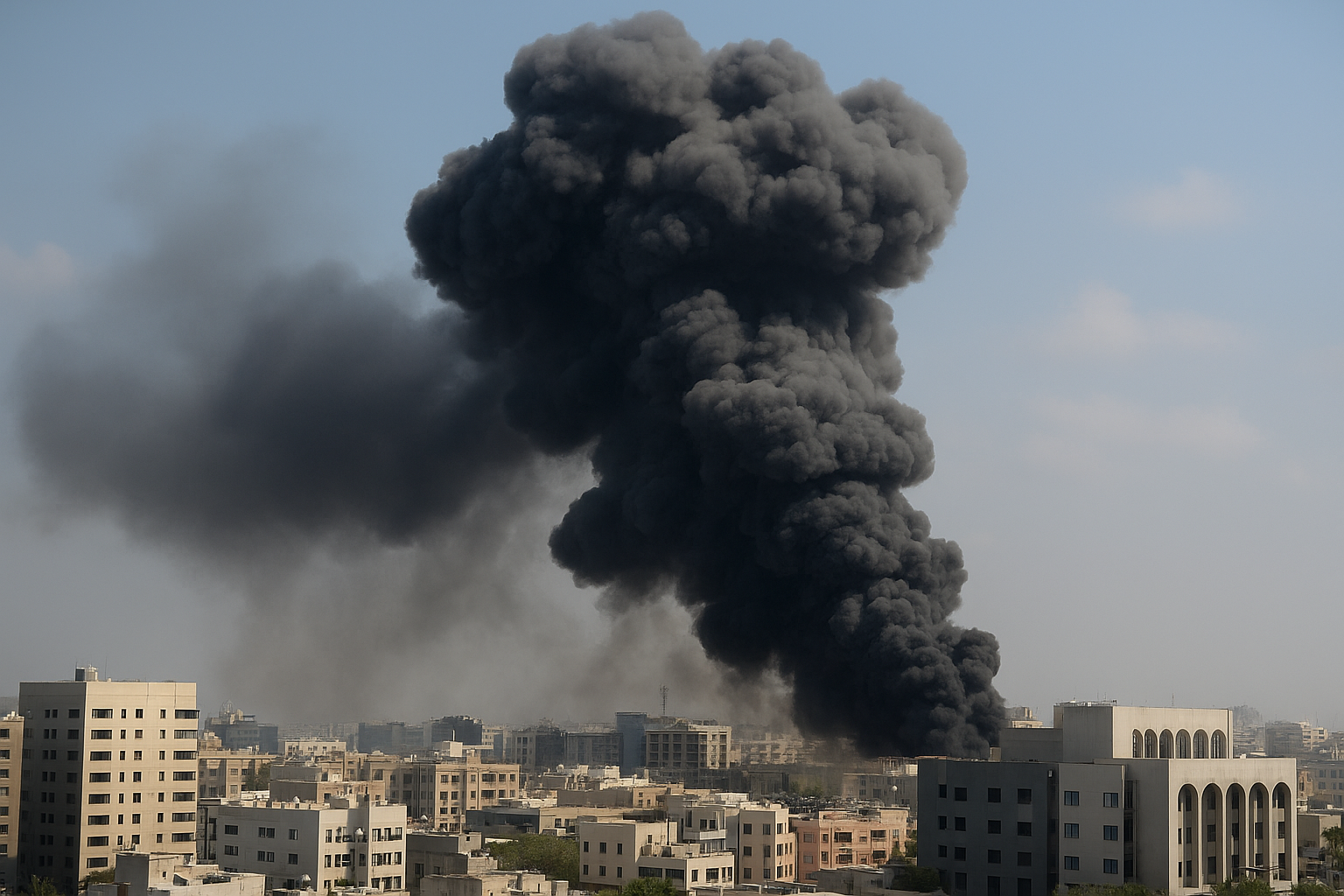
On about October 18, 2025, Pakistani air-assets allegedly struck locations in Paktika’s Urgun and Barmal districts. Afghan officials say the strikes killed ten civilians, including three local cricketers, with “many women and children” among the casualties. The cricketers were identified as Kabeer Agha Argon, Sibghatullah Zirok and Haroon.
The ACB immediately issued a statement: “The death of our athletes and young cricketers is a great loss to Afghanistan’s sports community.” Cricketer Rashid Khan (a household name in the IPL) tweeted: “I am deeply saddened by the loss of lives… This is absolutely immoral and barbaric.”
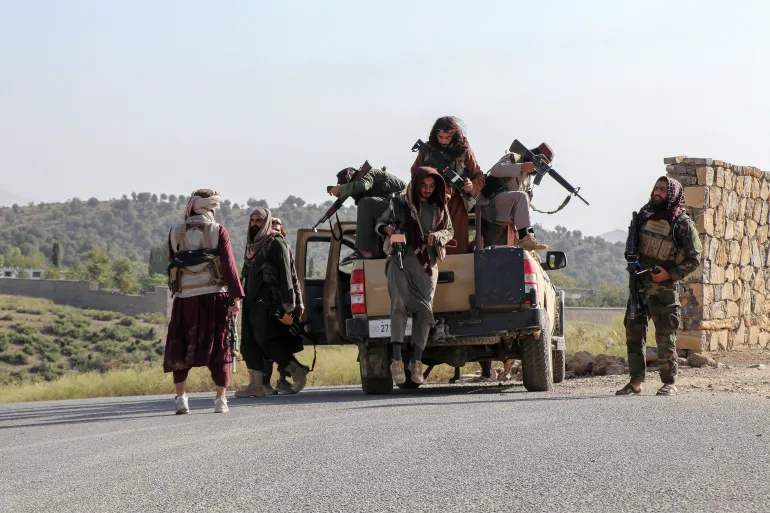
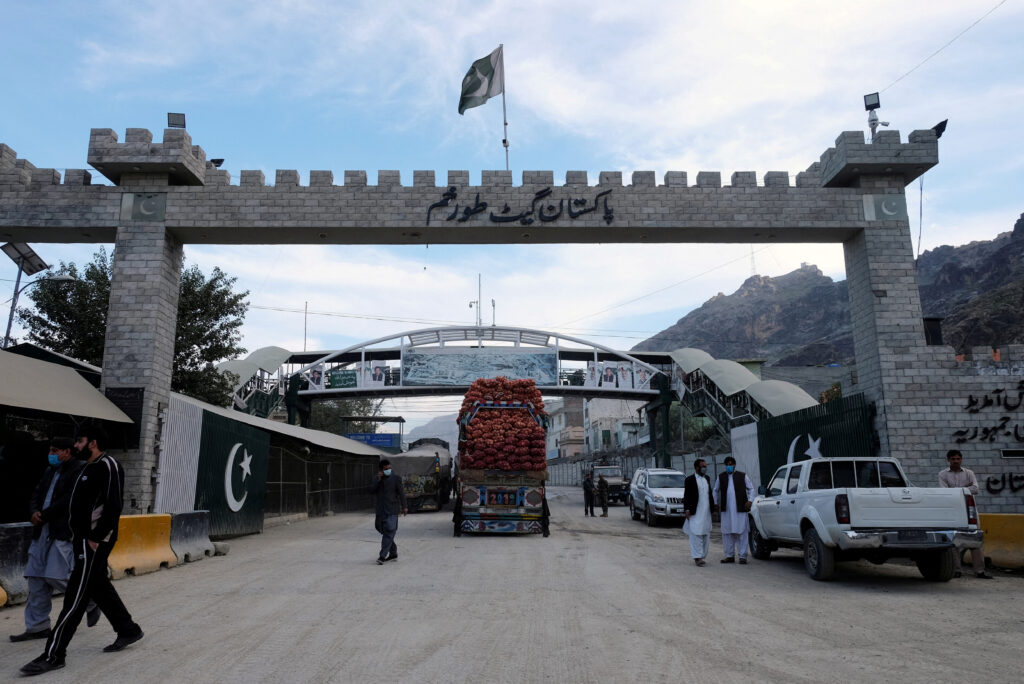
The incident comes amid intensified border skirmishes between Pakistan and Afghanistan including airstrikes, artillery exchanges and dozens of casualties.
Repercussions for Cricket
This incident is unprecedented in modern cricket: to have national sportsmen killed in a tie-up with cross-border military action. The immediate consequences:
Afghanistan has pulled out of the Tri-Nation T20 I in Pakistan with Sri Lanka.
The image of Pakistan as a safe venue for international cricket is now severely damaged.
Global sports bodies (e.g., the International Cricket Council) may face pressure to reconsider Pakistan’s hosting credentials.
Afghan cricket’s recovery and growth path (especially post-Taliban takeover) faces a major blow: a loss of players hits talent pipelines, morale and international engagement.
As one Afghan commentator put it: when sportsmen are targeted rather than combatants, it crosses the boundary from war into a different realm of outrage.
Regional Geopolitics: More Than Just Sport
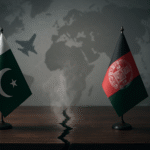
a) Pakistan–Afghanistan dynamic: Pakistan accuses the Afghan Taliban government of harboring militants who launch attacks into Pakistani territory. Afghanistan denies this and asserts that air-strikes on its soil are blatant aggression. The recent strike broke a fragile 48-hour cease-fire and triggered emergency talks in Doha.
b) India’s angle: While this incident is between Pakistan and Afghanistan, India’s footprint looms large Kabul recently invited Indian infrastructure investment and reopened its embassy. Some analysts see Pakistan’s actions as a reaction to an encroaching Indian-Afghan axis. From India’s perspective, the event underscores the fragile security situation on its western flank. If cross-border strikes by Pakistan continue unchecked, they could spill into other contexts (including Kashmir or the Arabian Sea) making India’s defense posture even more consequential.
c) Global Sports Diplomacy & Soft Power: Pakistan has pitched cricket as part of its “normalization” narrative post-2019. Hosting international cricket was meant to showcase stability. This incident undercuts that message in one heavy blow. Meanwhile, Afghanistan has attempted to use cricket as a global engagement vehicle. Losing athletes to conflict strikes particularly when the world is watching undermines its soft-power outreach and shifts the story back to war.
The International Reaction: Shock, Condemnation & Risk Premium
The cricket world responded with immediate shock. Rashid Khan’s tweet sparked intense debate on how sport can exist in regions prone to cross‐border violence. Some key points:
Sports platforms in conflict zones become high-risk flashpoints.
Questions will arise of accountability: will Pakistan face sanctions from sports bodies or diplomatic censure?
Broader cost for Pakistan: damaging trust in the international cricket community, which could limit future tours, revenues and the domestic cricket economy.
On the security side, Western nations and China have called for restraint. The UN warns the Afghanistan-Pakistan border crisis is now the worst since 2021. Reuters
Possible Scenarios & Future Trajectories
Scenario 1: De-escalation & Sports Resumption – Pakistan and Afghanistan agree on a diplomatic patch: Pakistan halts air strikes, Afghanistan returns to cricket commitments. – ICC President launches a cricket solidarity fund for Afghanistan’s loss. – Pakistan’s hosting rights are reviewed but restored after confidence-building.
Scenario 2: Prolonged Crisis & Sports Isolation – More border strikes + militant retaliation. Afghan players boycott all Pakistan ties. Pakistan loses rights to host ICC events. – India deepens cricket and security ties with Afghanistan, bypassing Pakistan altogether.
Scenario 3: Sporting Reprisal & Political Fallout – Afghanistan seeks ICC intervention; Pakistan’s board faces sporting penalties. – Taliban Afghanistan raises the issue in the UN; Pakistan faces ‘naming-and-shaming’. – Pakistan’s image suffers across global sport and diplomacy, forcing recalibration of its narrative.
Critical Insights & Opinion
Sports cannot be isolated from conflict. Cricket is often viewed as purely entertainment, but as this incident shows, athletes and sporting events can become unintended victims of geopolitical conflict.
Pakistan’s strategic calculus is flawed. Pakistan seems to believe that aggressive military action along the Afghan border strengthens deterrence. Instead, it signals instability undermining its ambitions to host global sport and foreign investment.
India’s geographic advantage grows. With Pakistan embroiled in cross-border crisis, India emerges as the more stable South Asian partner for cricket boards, sponsors and geopolitics. India could fill the vacuum left by Pakistan in hosting regional events and supporting Afghan cricket.
Cricket boards must get ahead of politics. The ACB took the bold step of pulling out of the series sending the message that sport will not continue regardless of human cost. The ICC and national boards will need contingency plans for such extreme overlap of sport and conflict.
Narrative risk for Pakistan in the global arena. For Pakistan, branding itself as a “safe host” was critical to its return to cricketing prominence. A strike that kills players? That may undo years of cricket diplomacy overnight.
What This Means for India / Middle East / Global Arena
India: The incident adds urgency to Delhi’s perspective on its western border security. Cricket diplomacy also becomes another layer of New Delhi’s outreach to Kabul forging ties with Afghan cricket and infrastructure while Pakistan is distracted.
Middle East & Saudi Arabia: Countries like Saudi Arabia and Qatar which once backed Pakistan’s regional role now face a choice: continue enabling Islamabad’s military posture or push for peace. Qatar’s mediation in Doha is one such sign.
Global Sports Governance: ICC, FIFA and other bodies may face more pressure to integrate human-rights risk assessments into event-hosting decisions. When sporting events proceed in zones where athletes can be struck by cross-border air-strikes, it becomes a fundamental governance issue.
Civilian casualties reported: At least 10 killed, 12+ wounded. News on Air
Border casualties since Oct 10: At least 18 killed, 360+ wounded (UN-reported). Reuters
Cease-fire extension / Doha talks: Announced Oct 17-18. Reuters
Final Take & What to Watch
This is not just a tragic loss for Afghanistan’s cricketing community it is a case study in how sport, diplomacy and regional security can intersect violently. For Pakistan, the cost may go beyond the battlefield toward the boundary line. For Afghanistan, the moment could galvanize its sports diplomacy but deepen its scars.
What to watch next:
Will Pakistan apologise or face sanctions from the ICC?
Will Afghanistan reinstate its national team in global cricket without addressing security protections?
Will India intensify cricket and diplomatic outreach to fill the vacuum Pakistan leaves?
Will Qatar or Saudi Arabia broker a broader peace that tempers Pakistan’s cross-border operations?
For now, the cricket world mourns. The region braces for broader fallout.
Abhi Platia is a financial analyst and geopolitical columnist who writes on global trade, central banks, and energy markets. At GeoEconomic Times, he focuses on making complex economic and geopolitical shifts clear and relevant for readers, with insights connecting global events to India, Asia, and emerging markets.