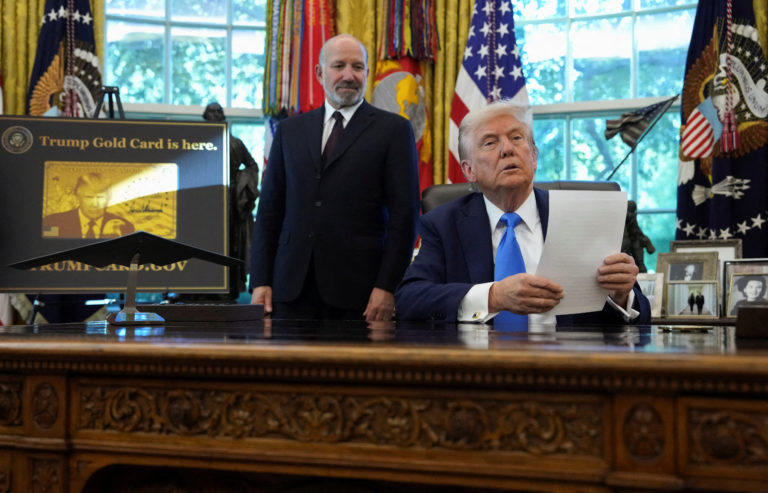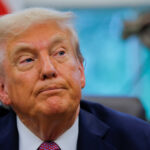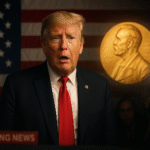
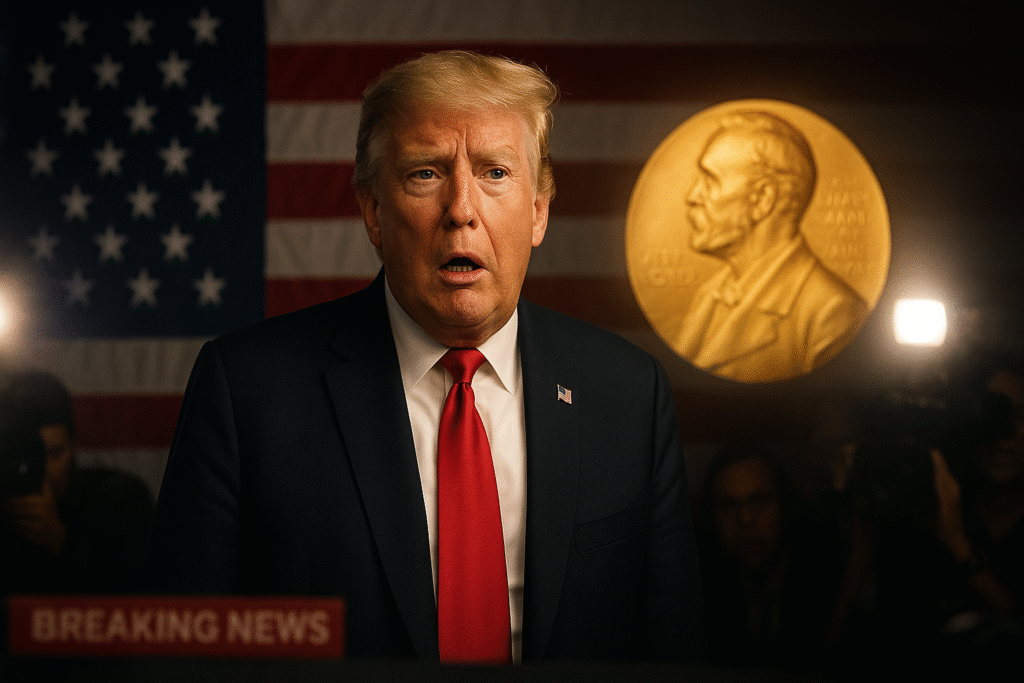
In what many in the United States are calling a stunning snub, former U.S. President Donald Trump has once again been passed over for the Nobel Peace Prize, despite his repeated claims of having brokered “historic peace deals” during his presidency. The Nobel Committee in Oslo instead awarded the 2025 Peace Prize to grassroots peace activists from Eastern Europe a decision that has ignited fierce debate across American media and social platforms.
Trump’s loyalists are calling it “political bias disguised as diplomacy,” while critics argue that his foreign policy legacy marked by volatility and confrontation made him an unlikely choice for one of the world’s most prestigious honors.
But beyond the headlines, this moment reflects a deeper shift: the global perception of American leadership, the fading weight of U.S.-centric narratives, and the rise of new moral centers of influence that no longer orbit Washington.
A Bitter History Between Trump and the Nobel Committee
This is not the first time Trump has expressed frustration with the Nobel Foundation. Back in 2018 and 2020, he publicly touted his role in facilitating the Abraham Accords normalization agreements between Israel, the UAE, and Bahrain as a “world-changing achievement.” His administration even nominated him for the Peace Prize through a Norwegian lawmaker.
However, the Nobel Committee’s selections have traditionally favored sustained peace-building and humanitarian impact, not high-profile deals with limited long-term stability. According to Dr. Karin Olsen, a political scientist at the University of Oslo, “The committee rewards consistency, not spectacle. Trump’s diplomacy was transactional often advancing U.S. leverage rather than mutual peace.”
Trump, meanwhile, took to Truth Social to blast the decision:
“The Nobel Prize has become a joke. Nobody did more for peace Middle East, North Korea, economy than I did. Total disgrace!”
His supporters trended hashtags like #TrumpDeservesNobel and #NobelFraud across X (formerly Twitter), while late-night shows lampooned the controversy as another chapter in America’s culture wars.
The U.S. in Shock and the World Shrugs
In Washington, conservative media outlets like Fox News and Newsmax dedicated hours of coverage to the “snub,” suggesting that the Nobel Committee was “out of touch” with real geopolitics.
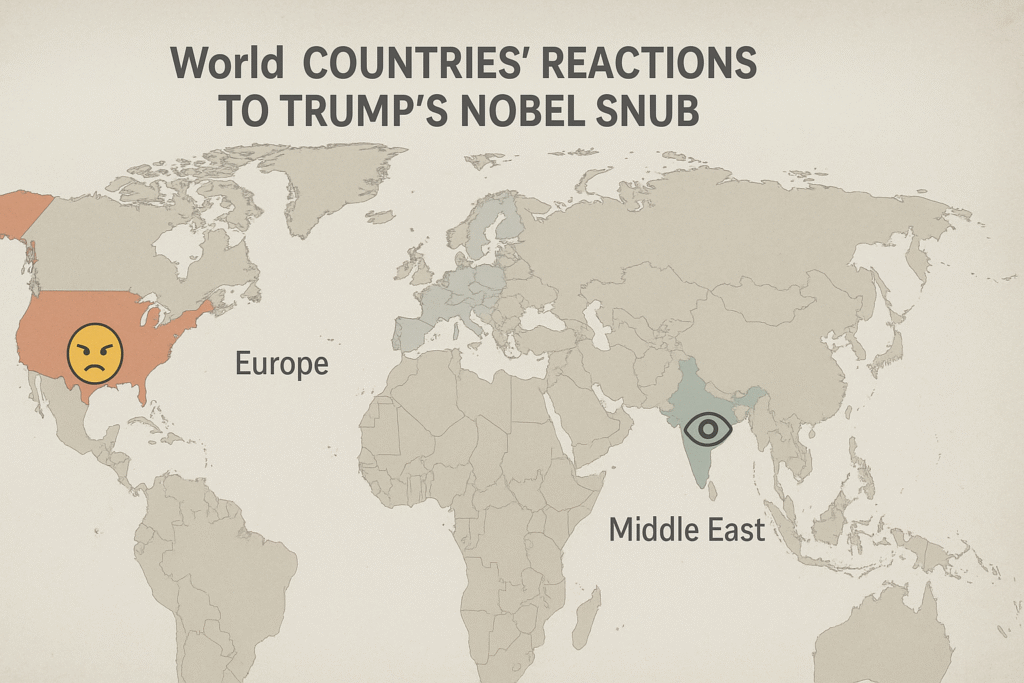
But outside the U.S., the story played differently. European outlets emphasized that the 2025 Nobel Peace Prize went to citizen coalitions in Ukraine and Belarus for resisting authoritarian aggression a symbolic statement aligning with Europe’s democratic values rather than any one leader’s legacy.
In the Middle East, commentators on Al Jazeera and Gulf News noted that while Trump’s Abraham Accords were diplomatically significant, they did not resolve core issues like Palestinian statehood or regional stability.
In India, policy analysts observed parallels between Trump’s nomination campaign and global populist trends where strongman politics seeks validation from elite institutions, often as a badge of legitimacy.
A Look Back: When U.S. Presidents Did Win the Nobel
Historically, the Nobel Committee has honored several U.S. presidents but always with caution.
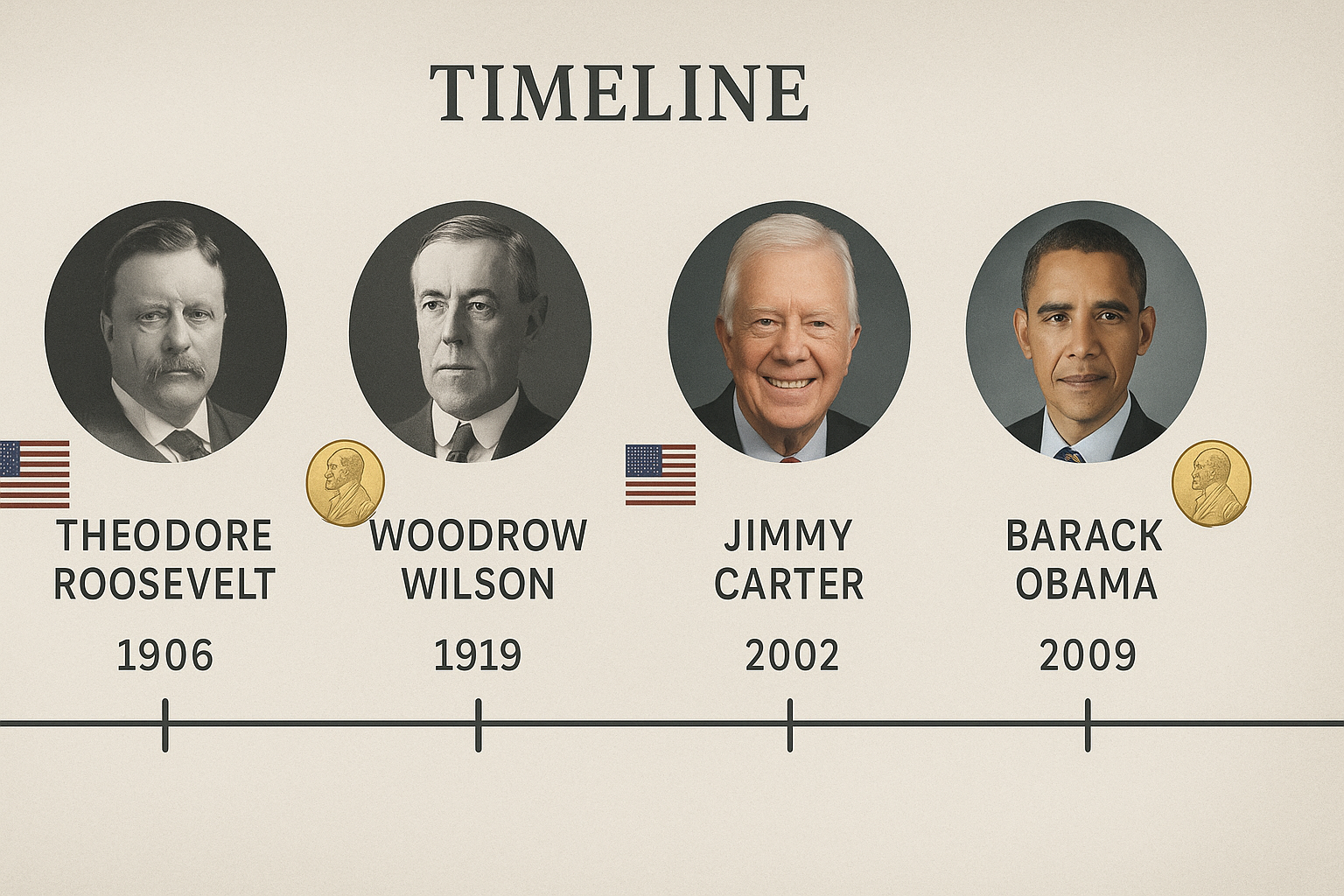
- Theodore Roosevelt (1906) won for mediating the end of the Russo-Japanese War.
- Woodrow Wilson (1919) for founding the League of Nations.
- Jimmy Carter (2002) decades after leaving office, for humanitarian work.
- Barack Obama (2009) controversially won early in his term for “extraordinary efforts to strengthen international diplomacy.”
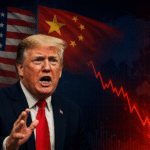
Compared to these precedents, Trump’s record appears divided. He reduced U.S. troop footprints but withdrew from multiple global treaties from the Iran nuclear deal to the Paris climate agreement and launched a trade war with China. His critics argue that these moves weakened the very alliances needed for long-term peace.
Global Repercussions: America’s Soft Power at a Crossroads
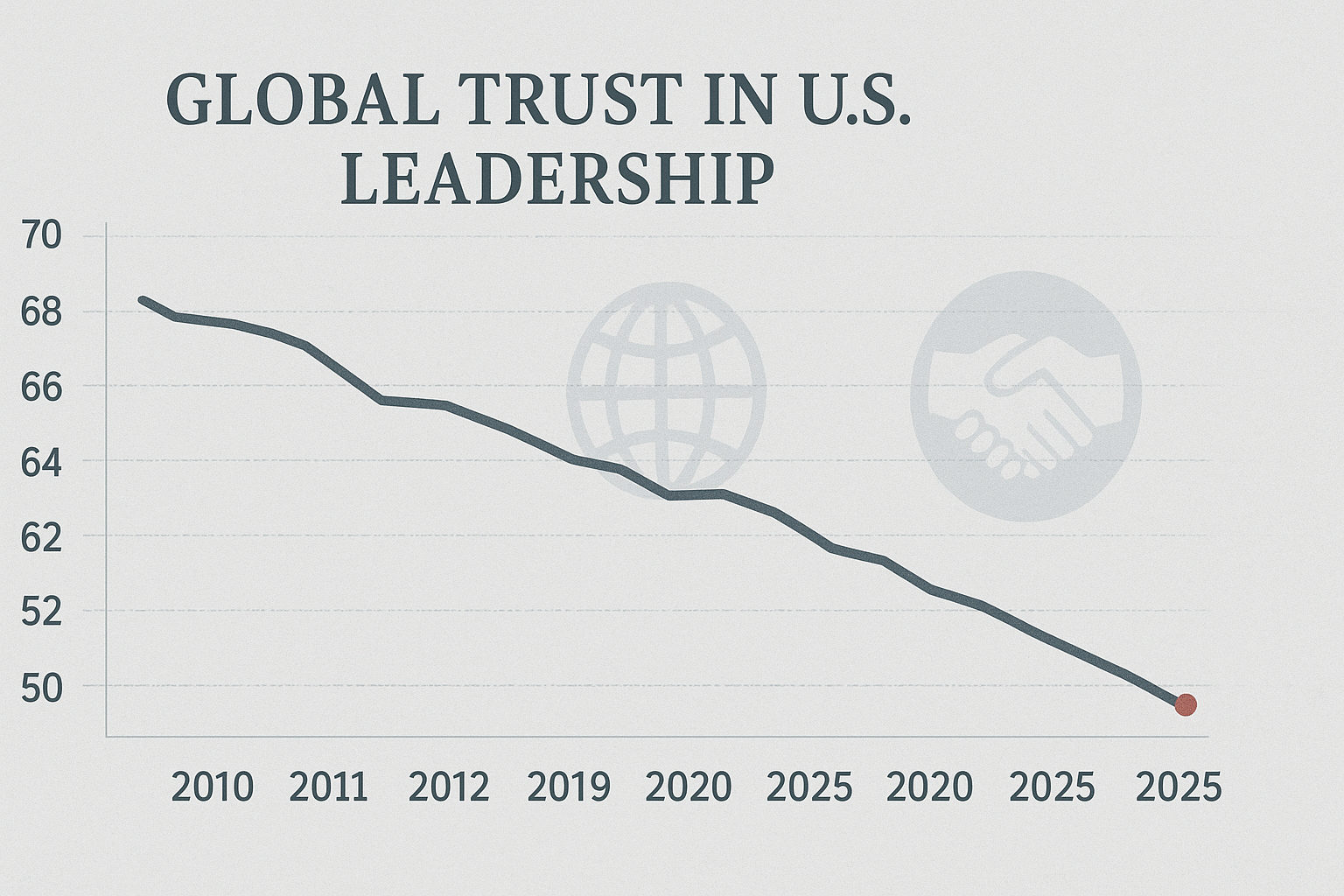
The latest Nobel outcome feeds into a broader narrative the decline of U.S. soft power. For decades, American presidents were moral and political beacons of democratic ideals. But today, the Nobel snub is emblematic of global skepticism toward American exceptionalism.
According to a 2024 Pew Global Attitudes Survey, trust in U.S. leadership has dropped by 18% since 2016, with most respondents citing political polarization and inconsistent foreign policy.
“Trump’s failure to win the Nobel isn’t about him personally,” said Prof. Richard Evans of the London School of Economics. “It’s about what America represents today. The world no longer looks to Washington as the default source of peace or principle.”
India’s View: Lessons from the Snub
From India’s perspective, the Nobel controversy is both instructive and cautionary.
New Delhi has often watched Washington’s political theater with a mix of fascination and strategic calculation. India’s foreign policy particularly under Prime Minister Narendra Modi emphasizes multipolar diplomacy, where influence comes not just from rhetoric but from sustained partnerships, development aid, and strategic autonomy.
Analyst Dr. Arvind Rao of the Observer Research Foundation told The Economic Tribune,
“India’s growing clout in the Global South shows that recognition must be earned through consistency, not charisma. The Nobel Committee’s decision mirrors how global institutions now reward long-term credibility over headline diplomacy.”
For India, the episode reinforces a truth: soft power cannot be demanded it must be cultivated. While Trump sought validation through awards, New Delhi’s approach has been to create legitimacy through engagement, whether via vaccine diplomacy, digital infrastructure, or G20 leadership.
The Broader Picture: Nobel, Politics, and the Future of Global Recognition
The Nobel Peace Prize has never been immune to politics. Critics have often accused the committee of moral grandstanding or Western bias. Yet its symbolism endures because it captures a global yearning for ethical leadership something increasingly rare in today’s fractured world.
In an era where peace is measured in social media likes and diplomatic hashtags, Trump’s Nobel disappointment exposes a larger tension between performance and principle. The world is demanding more than transactional peace; it seeks sustained moral engagement.
Political psychologist Dr. Emma Lindgren from Uppsala University notes:
“We’re witnessing the globalization of moral authority. The Nobel Committee is signaling that the age of personality-driven diplomacy is waning replaced by people-powered peace movements.”
Economic Ripple: Markets React Calmly
Despite the political noise, financial markets barely flinched. Wall Street analysts dismissed the controversy as “noise,” noting that geopolitical stability not awards drives investor sentiment.
Yet some experts argue that the optics matter. The snub may subtly reinforce perceptions of U.S. isolationism, especially as Washington struggles to maintain influence in Eastern Europe and the Indo-Pacific.
A report by J.P. Morgan Global Insights (2025) notes:
“The erosion of U.S. moral leadership has indirect effects on the dollar’s perception as a safe-haven asset. Soft power correlates with trust and trust underpins currency stability.”

While far from catastrophic, these shifts illustrate how symbolic events like Nobel decisions can ripple through financial and diplomatic ecosystems.
What Comes Next: Trump, Legacy, and Redemption
Could Trump still win a Nobel someday? Theoretically, yes nominations can occur post-presidency, and his backers have already hinted at future campaigns tied to “global peace through strength.”
However, the challenge remains that Trump’s brand of diplomacy often divides rather than unites. Unless global institutions dramatically recalibrate their values, recognition of his type of leadership remains unlikely.
In the bigger picture, America’s introspection about its role in the world will matter far more than any one man’s award. As the Nobel Committee subtly reminded the world this week:
Peace is not performance it’s perseverance.

Abhi Platia is a financial analyst and geopolitical columnist who writes on global trade, central banks, and energy markets. At GeoEconomic Times, he focuses on making complex economic and geopolitical shifts clear and relevant for readers, with insights connecting global events to India, Asia, and emerging markets.