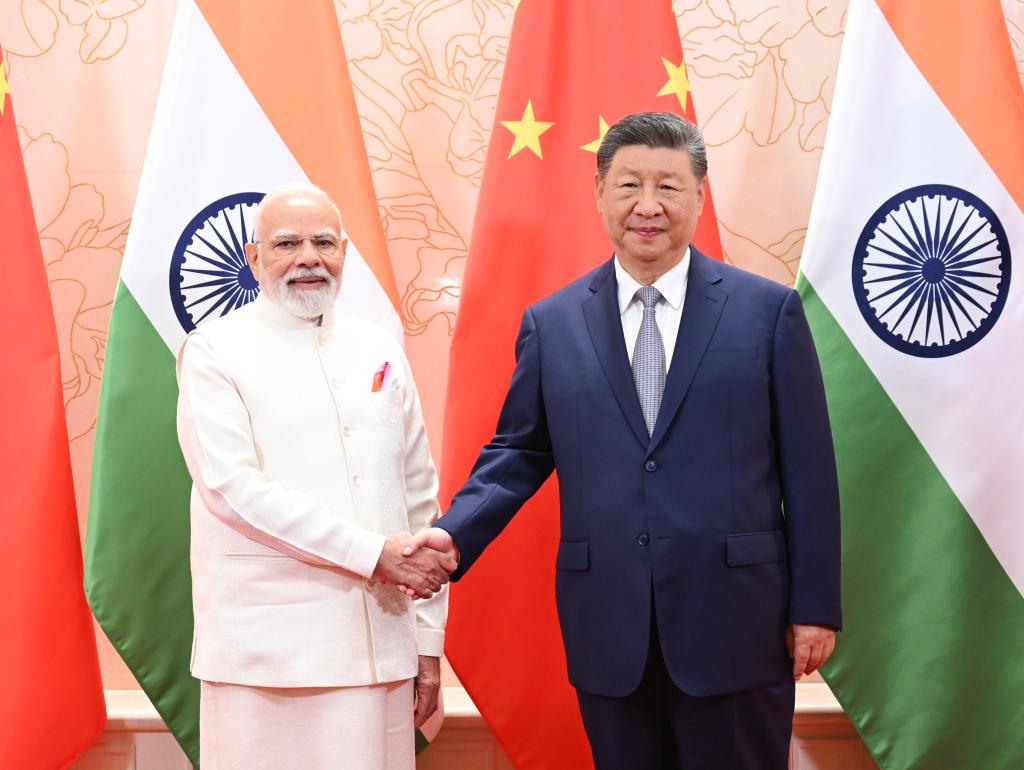
Prime Minister Narendra Modi and Chinese President Xi Jingping met in Tianjin on the sidelines of the Shanghai Cooperation Organisation (SCO) summit in what could become a turning point in India and China ties. This was Modi’s first trip to China in several years, and it came at a time when global tensions, supply chain disruptions, and U.S. tariffs under Donald Trump’s comeback push are shaking the economic order.
The meeting lasted about forty minutes and included India’s National Security Adviser Ajit Doval and Foreign Secretary Vikram Misri. Though brief, the conversation carried weight, not only for India and China but also for the wider world watching how Asia’s two giants position themselves amid growing turbulence.
The tone was warmer than in recent years, signaling that both leaders wanted to set relations on a more stable path. And with Trump tightening tariff policies that directly hit Asian exports, the timing of a possible India and China reset could not have been more important.
Below are the seven key takeaways from the talks and why they matter.
1. A Fresh Pledge to Improve Ties
Prime Minister Modi emphasized that India is committed to advancing the relationship on the basis of mutual respect, trust, and sensitivity. Xi Jingping responded by noting that India and China, often described as the “elephant and the dragon,” should find ways to cooperate as two major voices of the Global South.
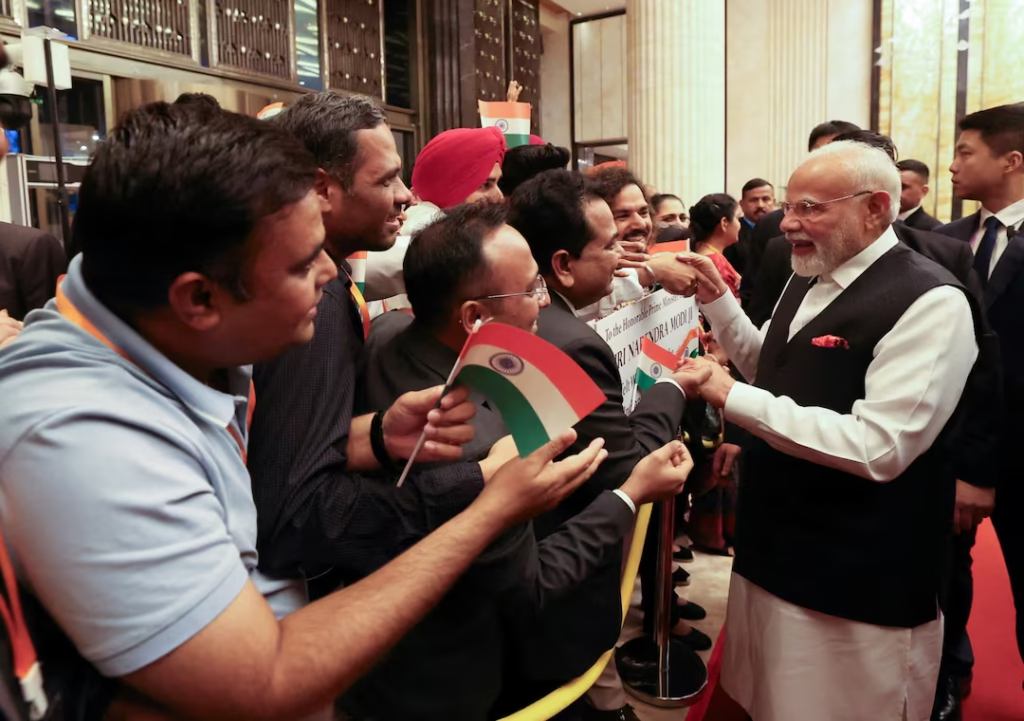
The importance of this pledge lies not just in words, but in tone. For years, the India-China relationship has been marred by border clashes and deep mistrust. Even a modest reset helps reduce tensions, lowers the risk of miscalculation, and creates room for trade, technology exchange, and people-to-people links.
2. Border Stability: From Clash to Calm
Both sides acknowledged progress on disengagement at certain friction points along the Line of Actual Control (LAC). Peace, they said, has largely held since last year. Importantly, they agreed to continue talks through the Special Representatives mechanism on boundary issues.
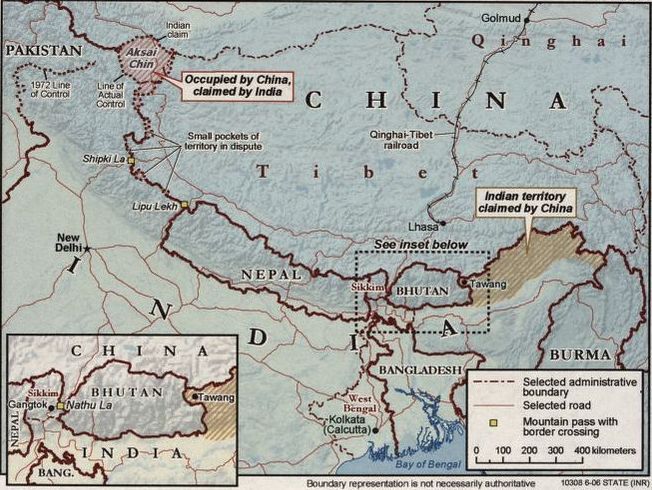
This does not mean the border dispute is anywhere near resolution, but it signal that both government want to avoid new flare-ups. For India, this means fewer security shocks that could spook investors. For China, it means less distraction from its slowing economy and U.S. tariff pressure.
A quieter border is also a sign to neighbors and markets that Asia’s biggest rivalry may be managed rather than spiraling out of control.
3. Direct Flights to Resume
Perhaps the most people centric outcome was Modi’s announcement that direct flights between India and China will resume. Air links had been suspended for years, disrupting students, businesses, families.
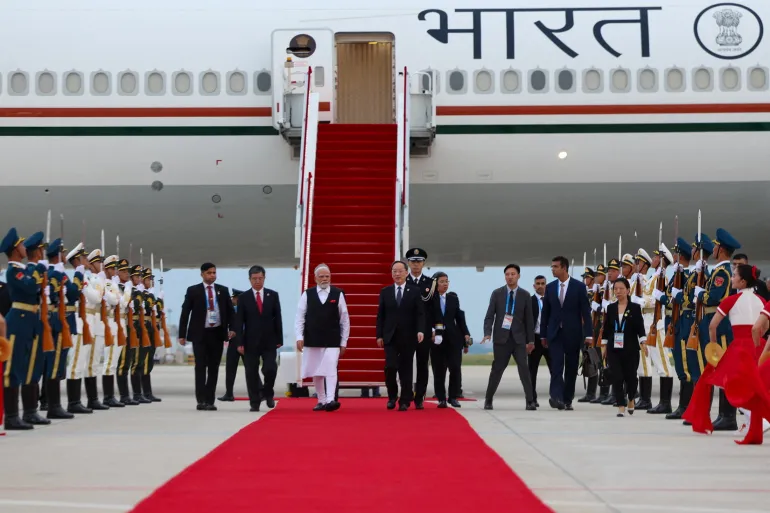
Flights are not just about travel they cut costs, boost tourism, and facilitate faster business exchanges. For India’s tech companies, manufacturers, and exporters, this will restore easier access to Chinese markets and supply chains. For Chinese students and investors, India becomes more reachable again.
4. Kailash Mansarovar Yatra Return
The resumption of the Kailash Mansarovar Yatra a sacred pilgrimage for Hindus was another major signal. Religious and cultural exchanges often reflect the true mood of bilateral relations.
By reopening this route, both sides are showing that they want to rebuild trust at the Human level. When citizens interact more freely, government often find it easier to manage sensitive disputed without escalation.
5. Modi Invites Xi to BRICS 2026 in India
In a major diplomatic move, Modi extended an invitation to Xi Jinping to attend the upcoming BRICS summit that India will host in 2026. Xi responded positively to the invitation, indicating that China is ready to support India’s role as the host.
This is an important development because BRICS is increasingly becoming a key platform for non-Western collaboration in areas like trade, finance, and technology. At a time when Trump’s tariff policies are unsettling exporters from Beijing to Berlin, India and China have strong reasons to work together. If the BRICS summit in New Delhi, with Xi’s participation, goes well, it would send a message of unity and resilience amidst rising protectionist trends.
6. 75 Years of Diplomatic Relations
Officials have announced that both leaders will celebrate 75 years of diplomatic relations between India and China through a series of cultural, academic, and trade initiatives throughout the year.
While such year-long programs might seem primarily ceremonial, they play a key role in strengthening ties, promoting student exchanges, boosting tourism, and organizing business fairs, and cultivating a culture of ongoing cooperation. In international relations, maintaining consistent engagement often proves to be more valuable than dramatic gestures.
6. Shared Language on Multilateralism and a Multipolar World
Both Modi and Xi emphasized the importance of multilateralism and reaffirmed their commitment to creating a more multipolar world.
This isn’t a new stance, but the timing couldn’t be more critical. As Trump pushes for tariffs and Europe turns inward, India and China are strategically positioning themselves as leaders of emerging economies. This also sends a clear message to smaller nations across Asia, the Gulf, and Africa: they’re not forced to pick sides between Washington and Beijing instead, there’s room for multiple powers to coexist peacefully.
Why This Meeting Matters in 2025
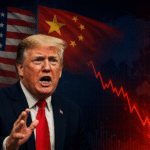
The Modi–Xi discussion cannot be isolated. It followed Trump’s return to tariff wars, which have the potential to disrupt supply chains and world growth. For Beijing, already facing economic strain, achieving stability with New Delhi relieves external pressure. For New Delhi, being on good terms with Beijing yet without forsaking its sovereignty provides some space as it navigates a turbulent world.
For markets: there will be fewer surprise shocks at the border.
For companies: flights, visas, and exchanges make genuine opportunities.
For diplomacy: the BRICS connection keeps India and China bound together in cooperative endeavors apart from their disagreements.
In a world where war tends to dominate the headlines, even a small measure of stability flashes hope.
What to Watch Next
Flights and visas – Monitor airline announcements on routes and schedules. Student and business visas will be a strong indicator of follow-through.
Border talks – Even brief joint statements following technical-level talks will demonstrate that the dialogue track is alive.
Trade and investment signals – Monitor new industry dialogues in pharma, electronics, and green technology.
BRICS preparations – Look for ministry visits during the build-up to 2026, setting the stage for a grand summit in India.
Go Through
The Modi–Xi meeting in Tianjin was brief, forty minutes at most, but its potential impact will be felt for years to come. The two leaders instead decided to emphasize peace, connectivity, and multilateral cooperation over confrontation.
Concurrently, Trump’s increasing tariffs cast a sense of urgency. If India and China can stabilize relations, they will be able to better insulate their economies and the Global South as a whole from protectionist turbulence.
No miracles are expected. The border controversy will continue, and the strategic competition will not disappear. But in establishing a floor to the relationship, both nations are telling their people, companies, and the rest of the world that competition does not necessarily mean anarchy.
In the uncertain world of today, that is no mean feat.

Abhi Platia is a financial analyst and geopolitical columnist who writes on global trade, central banks, and energy markets. At GeoEconomic Times, he focuses on making complex economic and geopolitical shifts clear and relevant for readers, with insights connecting global events to India, Asia, and emerging markets.