


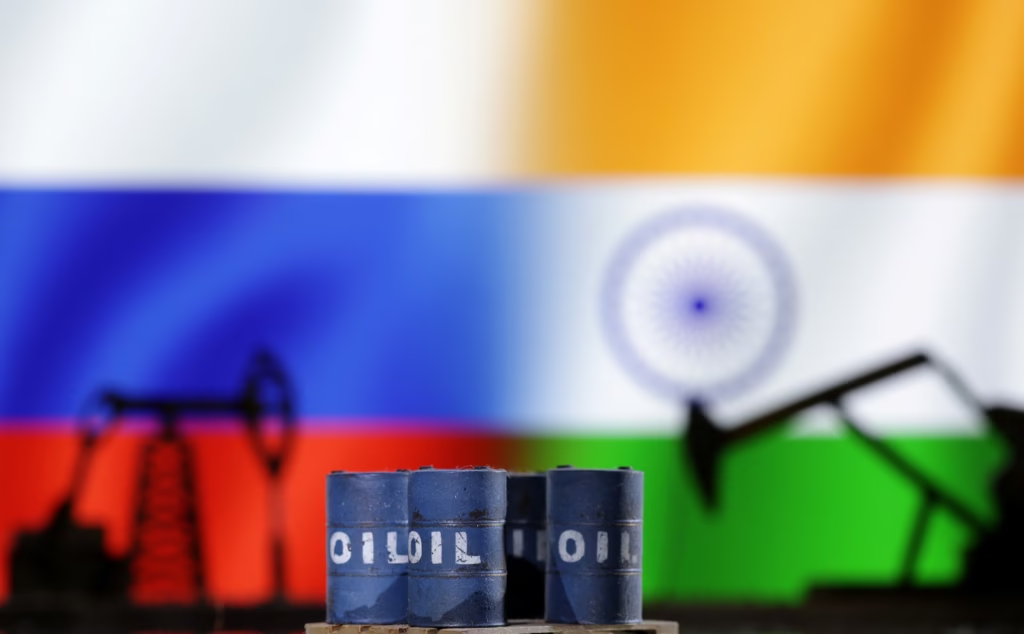
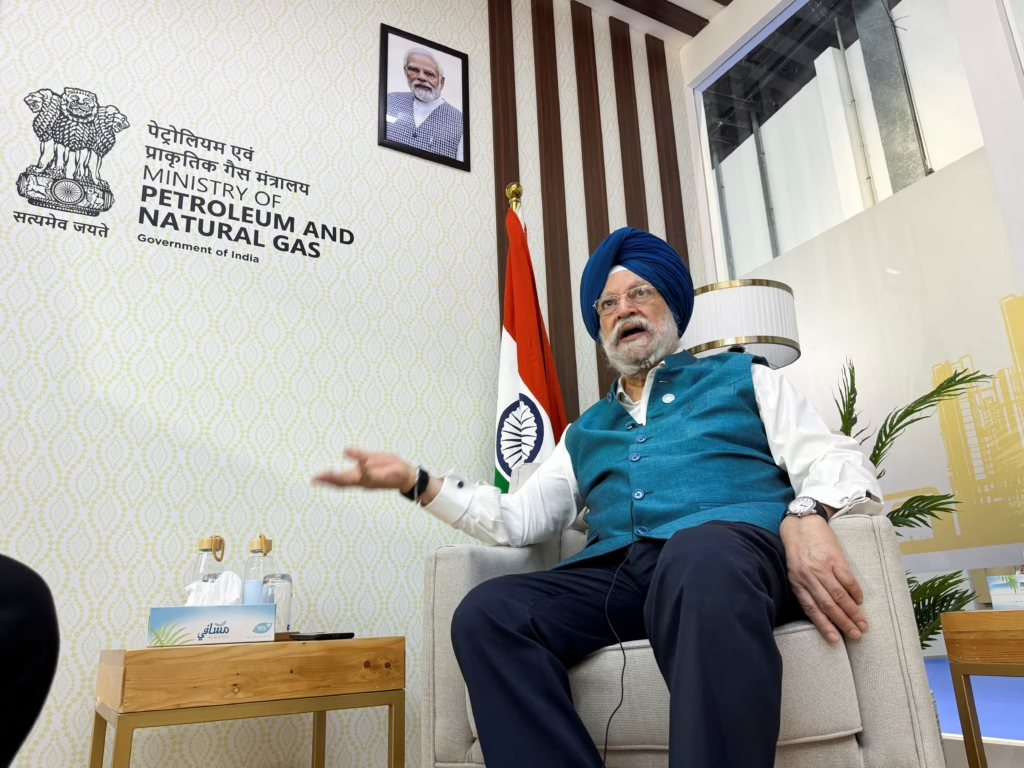
India’s Finance Minister has announced that the nation will persist in purchasing Russian oil, even in light of the steep tariffs imposed by the U.S. This bold decision underlines New Delhi’s commitment to protect its national interests, ensure energy security, and navigate global diplomacy, despite pressure from Washington.
This declaration has captured international attention, particularly since India is facing a hefty 50% tariff on numerous key exports to the U.S. So, what led India to take this approach? What are the potential risks and benefits? And how will this shape global trade and political dynamics? Let’s delve into the details.
U.S. Tariffs: A $55 Billion Challenge
Back in early September, U.S. President Donald Trump slapped a 50% tariff on Indian goods, a move designed to penalize India for its ongoing energy relationship with Russia. This decision jeopardizes more than $55-60 billion in Indian exports, impacting vital sectors such as textiles, IT services, gems, and automobiles.
Economists suggest that if trade tensions increase, India’s GDP growth might take a hit of about 0.6-1% (Reuters).
For New Delhi, this is a significant concern, as the U.S. is India’s largest export market, making up nearly 18% of total exports. A decline in trade with the U.S. could jeopardize millions of jobs in India’s export-driven sectors.
Why Russia’s Oil Matters to India
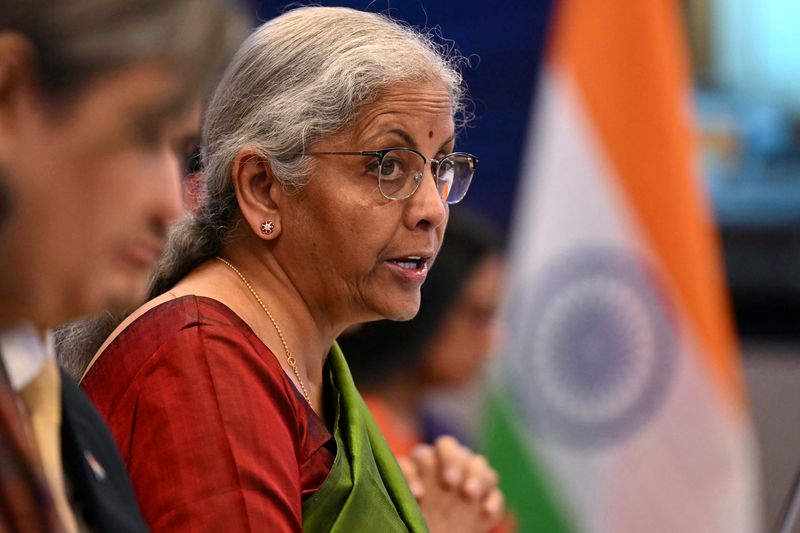
Despite the looming risks, India’s Finance Minister has firmly stated that the import of Russian oil will continue. Here’s the rationale:

- Discounted crude: Russian oil is available at a considerably lower price compared to global standards.
- Energy security: India relies on imports for over 85% of its crude oil, and having affordable options is crucial for controlling inflation.
- Strategic leverage: By diversifying its suppliers, India enhances its bargaining power in global energy markets.
Even amidst Western sanctions, Russia has emerged as India’s primary oil supplier, surpassing Iraq and Saudi Arabia. For India, securing energy access is an undisputed national priority.
Political Significance: Strategic Autonomy

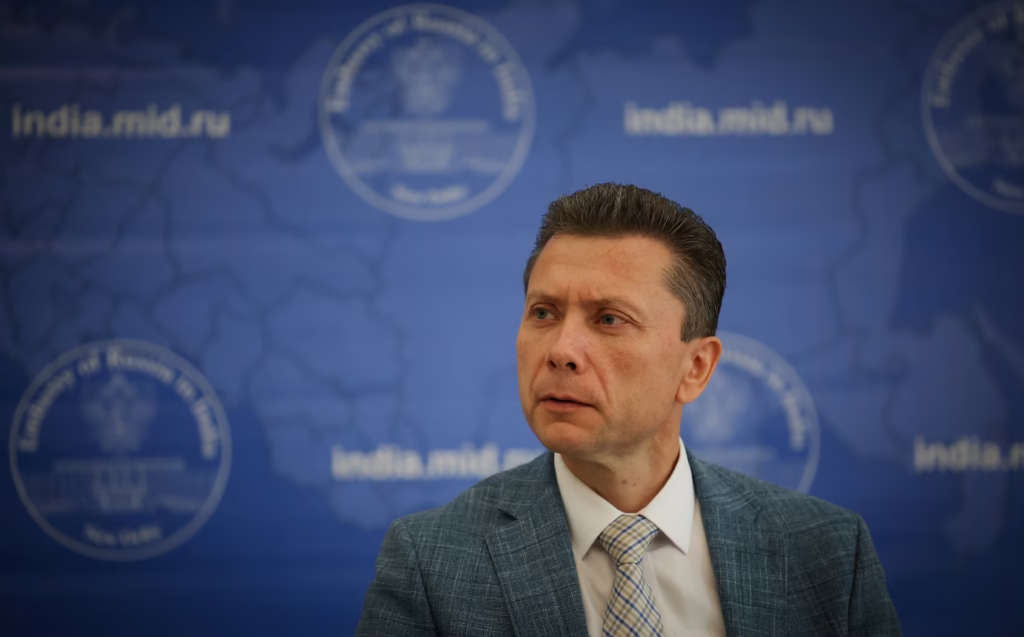
India’s stand isn’t just about economics—it’s about politics. By openly stating it will continue buying Russian oil, India is reinforcing its doctrine of strategic autonomy.
This means:
- Not taking sides in U.S.–Russia or U.S.–China rivalries.
- Making decisions independently, based on India’s own economic and security needs.
- Balancing relationships: staying close to Washington on defense and technology, while keeping Moscow as a vital energy and military partner.
In simple terms, India is telling the world: “We will not compromise our national interest under external pressure.”
Impact on U.S.–India Relations
This decision complicates the relationship between the U.S. and India. On one hand, Washington views New Delhi as a crucial partner in the Indo-Pacific region to counter China’s influence. On the flip side, Trump’s protectionist policies and escalating tariffs risk straining these economic ties.
- The U.S. is frustrated with India’s increasing oil trade with Russia, which indirectly supports Moscow’s military actions.
- India points out that Western nations are also purchasing Russian energy just through more indirect routes.
- For now, it seems unlikely that Washington will completely isolate India, but trade disputes could hinder progress on a free trade agreement that American businesses are advocating for.
European Angle: New Opportunities
While U.S. tariffs pose challenges, Europe may offer new avenues for Indian trade.
- With countries like France and Germany seeking to diversify their energy and manufacturing supply chains, India’s revamped GST system and expansive market can provide fresh prospects.
- European companies view India as an alternative to China, particularly in sectors like technology, renewables, and pharmaceuticals.
- India’s assertive position on oil could even resonate with some European nations that are quietly dissatisfied with their reliance on U.S. pressure.
Domestic Gains: Keeping Inflation Low

For Indian consumers, the ongoing imports of Russian oil are beneficial. Lower energy costs:
- Help keep fuel prices stable.
- Reduce pressure on transportation and food costs.
- Support the government’s broader push to control inflation around 4–5%.
By insulating ordinary people from the worst effects of global oil price shocks, the government also protects domestic consumption, which is the backbone of India’s economy.
Global Ripple Effects
India’s decision to defy U.S. tariffs and keep buying Russian oil sends a strong signal worldwide:
- Global South solidarity: Other developing nations may follow India’s lead, prioritizing affordable energy over Western sanctions.
- Shift in trade flows: Russia continues redirecting energy exports to Asia, reducing Europe’s leverage.
- Currency diversification: Many of these deals are settled in non-dollar currencies, slowly chipping away at U.S. dollar dominance.
This is not just about oil it’s about reshaping the future of global trade and finance.
Risks Ahead

Of course, the decision carries risks:
- Prolonged tariffs could hurt India’s export sector.
- Diplomatic friction with the U.S. could slow defense and technology partnerships.
- Overreliance on discounted Russian oil may expose India if geopolitical conditions change.
But India appears ready to manage these risks betting that its fast-growing economy and vast consumer market make it too important for the U.S. and Europe to ignore.
Conclusion: A Defiant but Calculated Stand
India’s Finance Minister’s statement is more than an energy policy announcement—it is a declaration of economic independence. By choosing affordable energy for its people over external pressure, India is protecting growth, stability, and strategic autonomy.
Yes, the U.S. tariffs are painful. Yes, relations with Washington may face turbulence. But in the long run, India’s bold decision could strengthen its global position, attract new trade partners, and prove that the world’s fifth-largest economy cannot be easily bullied.


Abhi Platia is a financial analyst and geopolitical columnist who writes on global trade, central banks, and energy markets. At GeoEconomic Times, he focuses on making complex economic and geopolitical shifts clear and relevant for readers, with insights connecting global events to India, Asia, and emerging markets.