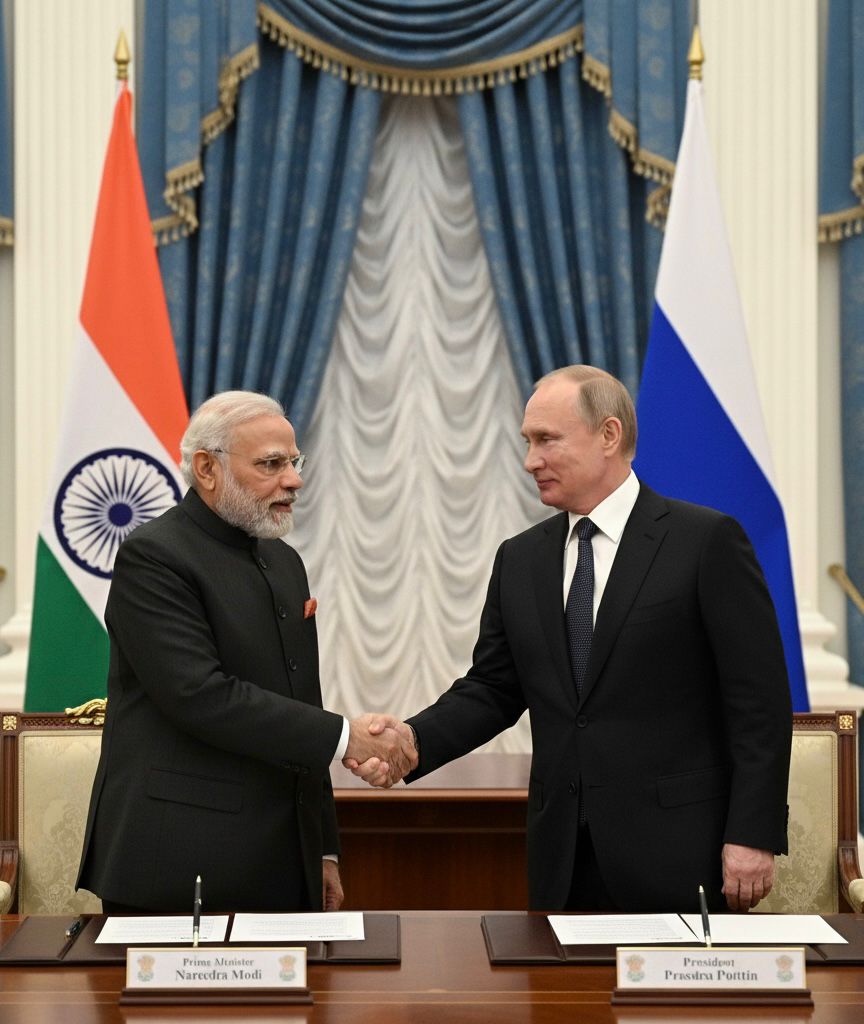
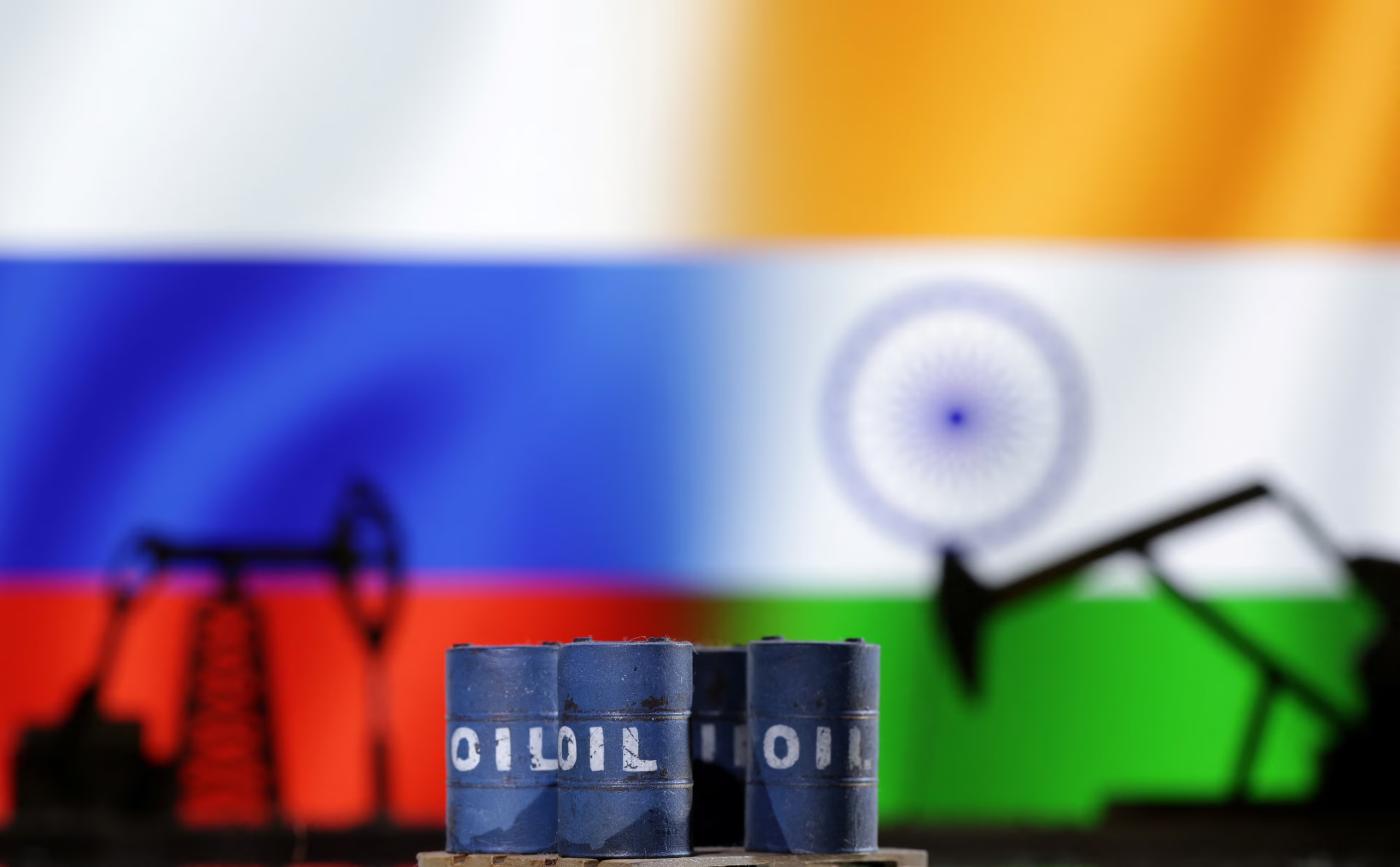
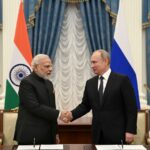
In a move that signals a profound shift in global finance, India has reportedly begun paying Russia for oil imports in Chinese yuan, bypassing the U.S. dollar. What may seem like a technical transaction between two energy partners could, in reality, mark a turning point in the international monetary order. For decades, the U.S. dollar has reigned supreme as the world’s reserve currency the backbone of global trade and the benchmark for oil transactions. But recent events suggest that era might be inching toward an end.
As geopolitical alliances realign and sanctions reshape trade routes, India’s decision to use yuan for oil payments speaks volumes. It underscores both the limits of dollar diplomacy and the growing influence of China’s financial architecture in the Global South.
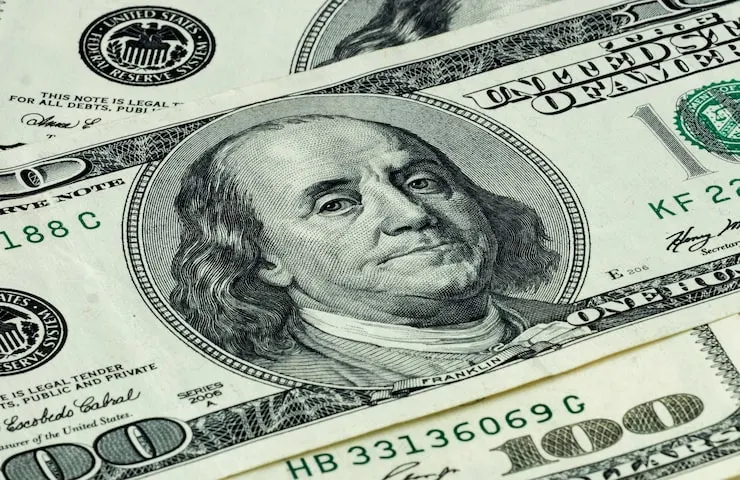
The U.S. dollar became the cornerstone of global commerce after World War II, institutionalized through the Bretton Woods system. Even after the gold standard collapsed in the 1970s, the dollar retained its dominance, largely because oil was priced in dollars the so-called “petrodollar system.”
However, the last decade has seen cracks forming in that structure. Nations frustrated by U.S. sanctions and financial surveillance began exploring alternative payment systems. The creation of China’s Cross-Border Interbank Payment System (CIPS) and the rise of local currency settlements between BRICS nations added momentum to what economists now call “de-dollarization.”
India’s latest move adds a significant chapter to that story.
India’s Calculated Move: Strategic, Not Symbolic
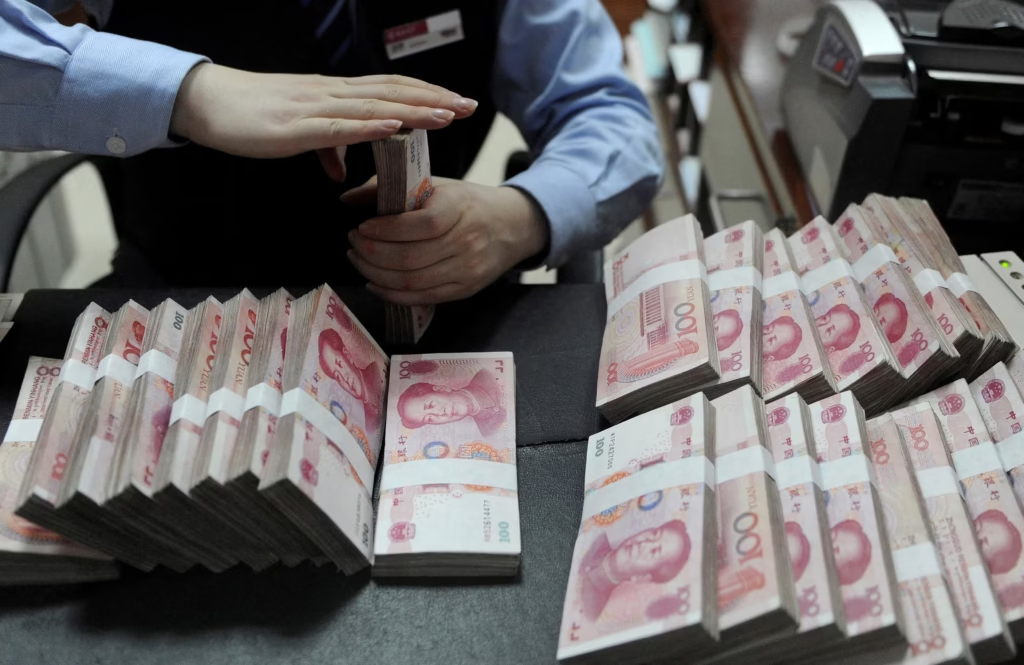
According to financial sources familiar with the matter, several Indian refiners have used Chinese yuan held in accounts at Chinese banks to pay for Russian crude oil. This arrangement became necessary after Western sanctions restricted Moscow’s access to the SWIFT global payment network. While India had earlier used dirhams (UAE currency) for similar transactions, the shift to yuan is geopolitically telling.
It positions India as a pragmatic actor one that balances its energy security with its strategic autonomy. The world’s third-largest oil importer cannot afford to alienate any major supplier. By paying in yuan, India keeps oil flowing from Russia while avoiding direct confrontation with Western financial restrictions.
Why the Yuan? The Expanding Influence of China’s Currency
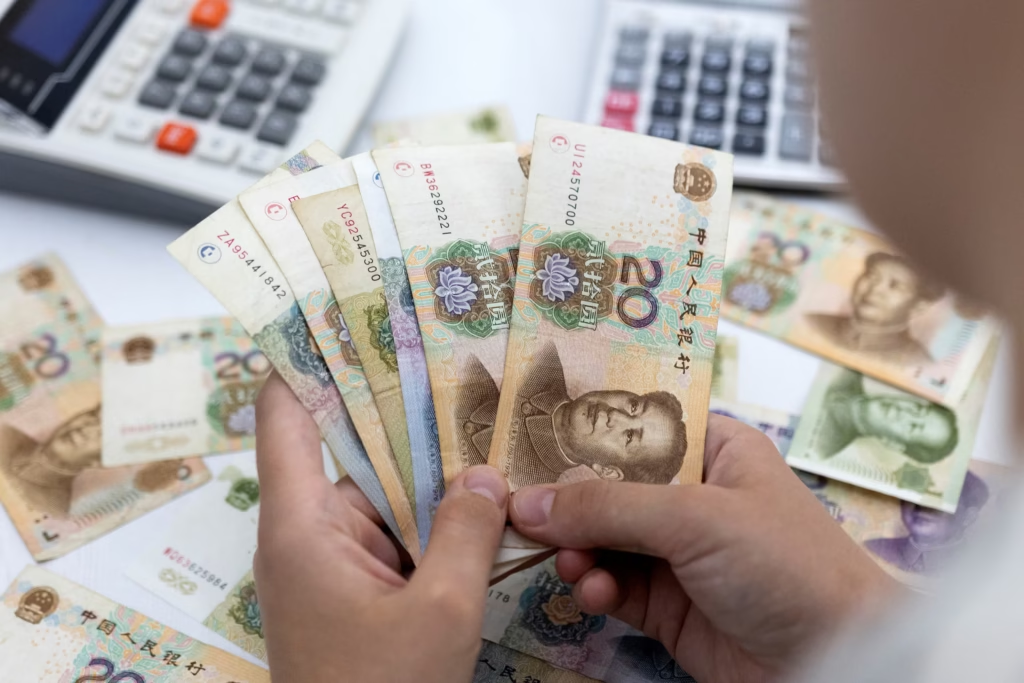
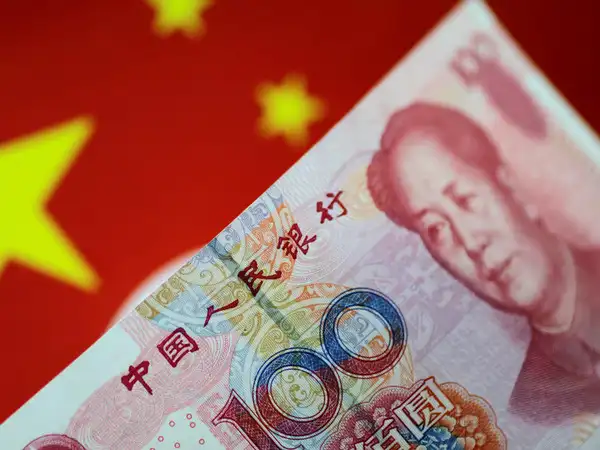
China’s yuan has been gradually increasing its share in global trade settlements. As of 2024, data from SWIFT shows that the yuan accounted for around 5% of global cross-border payments, surpassing the Japanese yen and closing in on the euro in some markets.
China’s strategy is clear: build economic interdependence through its Belt and Road projects, establish currency swap lines, and offer financial alternatives to the U.S.-led system.
By using yuan, India indirectly reinforces China’s goal of internationalizing its currency even though India and China are regional rivals. This irony reflects the complexity of modern geopolitics, where economic pragmatism often trumps ideological rivalry.
The Dollar’s Decline: What JPMorgan Says
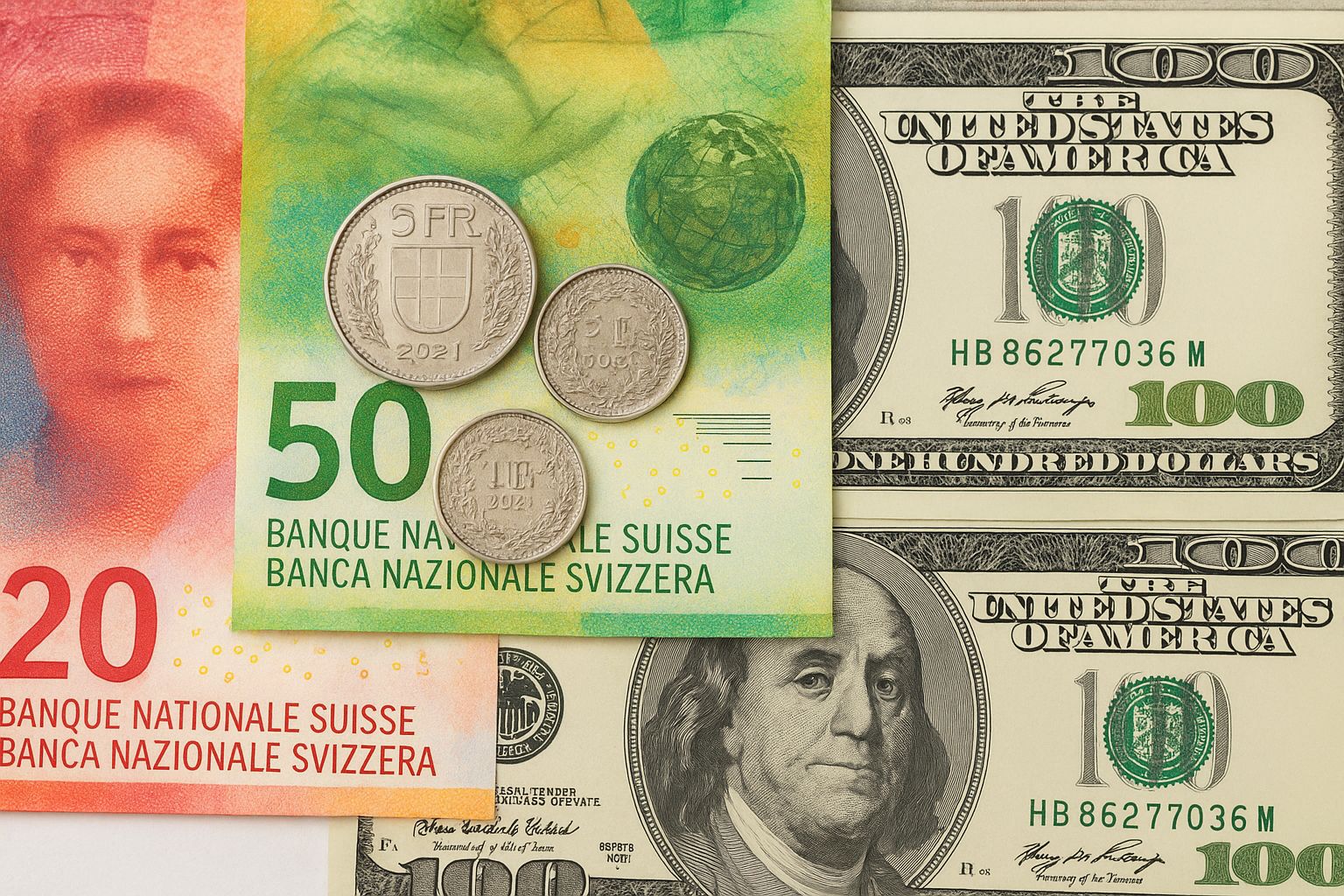
Global financial institutions are beginning to acknowledge the shifting tides. JPMorgan Chase, one of the world’s largest banks, recently noted that “the de-dollarization trend is no longer theoretical; it’s accelerating.” According to a JPMorgan macro research report, the dollar’s share of global reserves has fallen from 73% in 2001 to about 58% in 2024. Analysts warn that if BRICS nations particularly China, India, Brazil, and Saudi Arabia expand trade in local currencies, the greenback’s share could dip below 50% by 2030.
JPMorgan also emphasized that “the risk premium on dollar assets is rising” as more countries diversify their holdings into gold, yuan, and commodities. The report hinted that the world may be entering a “multi-polar currency era”, where no single nation dominates international trade settlement.
This aligns with the International Monetary Fund’s (IMF) observation that global central banks are quietly building reserves in non-traditional currencies, including the yuan, euro, and even the Indian rupee.
Historical Comparison: When Empires Lose Their Currencies
History provides a sobering perspective. The British pound sterling once enjoyed the same global dominance that the U.S. dollar holds today. But after World War II, as Britain’s empire waned, the pound lost its reserve status to the rising American dollar.
Today, some analysts argue that the U.S. is facing a similar inflection point not due to war, but because of overuse of sanctions, rising debt, and technological shifts in payments and energy.
Economist Zoltan Pozsar, formerly of Credit Suisse, famously said, “The weaponization of the dollar has accelerated the creation of parallel systems.” India’s yuan payments to Russia perfectly illustrate that trend.
Implications for India: Strategic Leverage and Hidden Risks
For India, this isn’t just about oil it’s about strategic optionality. By diversifying payment mechanisms, India sends a subtle message to the world: it won’t be cornered by Western or Eastern financial blocs.
However, there are risks.
Dependence on yuan could expose India to Chinese financial influence, especially if currency swaps deepen.
Exchange rate volatility and lack of transparency in China’s monetary policy could complicate long-term settlements.
Moreover, Washington may view this as a tilt toward Beijing, straining India-U.S. trade negotiations and defense cooperation.
Still, New Delhi’s policymakers believe that economic multipolarity aligns with India’s foreign policy doctrine the “multi-alignment” approach that seeks partnerships across competing power centers.
The Bigger Picture: BRICS and the Rise of a New Trade Order
India’s move also strengthens the BRICS alliance, which has been actively discussing alternatives to the dollar. The proposed BRICS currency, still in conceptual stages, aims to create a basket-backed settlement system anchored in commodities and regional currencies.
Russia, facing sanctions, has every incentive to accept non-dollar payments. China, seeking global financial legitimacy, welcomes more yuan usage. And India, balancing both sides, plays the role of a strategic connector.
This evolving “South-South financial corridor” could reshape trade routes, capital flows, and even energy pricing models particularly if oil benchmarks like Brent or WTI start facing competition from BRICS-indexed contracts.
Market Data Snapshot: The Numbers Behind the Shift
Indicator
2001
2015
2024
U.S. Dollar share in global reserves
73%
65%
58%
Yuan share in global payments (SWIFT)
<1%
2.2%
5.1%
India’s oil imports from Russia (barrels/day)
0
35,000
1.6 million
Global gold reserves held by central banks (tonnes)
These figures reveal a slow but undeniable transition from a dollar-dominated world to a diversified financial ecosystem.
Expert Insights
Dr. Arvind Subramanian, former Chief Economic Adviser to India, notes that “India’s use of yuan doesn’t necessarily endorse China it reflects a world where the dollar monopoly is eroding.”
Energy analyst Vandana Hari adds, “Oil markets are now driven by geopolitics more than geology. The payment currency is as strategic as the commodity itself.”
Such views reinforce the idea that currency diplomacy has become a new front in global power competition.
Future Scenarios: What Lies Ahead
Gradual Decline, Not Collapse: The dollar is unlikely to disappear overnight. However, its share of trade invoicing may continue to erode as alternative systems gain credibility.
Rise of Currency Blocs: We could see regional monetary alliances BRICS in Asia, euro-linked Africa, and dollar-linked Americas each defining their own trade ecosystems.
Digital Currencies Accelerating Change: The rise of CBDCs (Central Bank Digital Currencies) could further challenge the dollar’s hegemony by enabling instant bilateral settlements without SWIFT.
Conclusion: The Dawn of a Multi-Currency World
India’s decision to pay Russia in Chinese yuan is more than an economic workaround it’s a statement about the future of global finance. As the world’s economic gravity shifts eastward, the dollar’s unrivaled era may be entering its twilight.
For now, Washington still wields immense financial power, but the foundations are trembling. As JPMorgan put it, “De-dollarization is slow until it’s sudden.” The next decade will decide whether the greenback remains the world’s king or becomes just one currency among equals.
Abhi Platia is a financial analyst and geopolitical columnist who writes on global trade, central banks, and energy markets. At GeoEconomic Times, he focuses on making complex economic and geopolitical shifts clear and relevant for readers, with insights connecting global events to India, Asia, and emerging markets.