
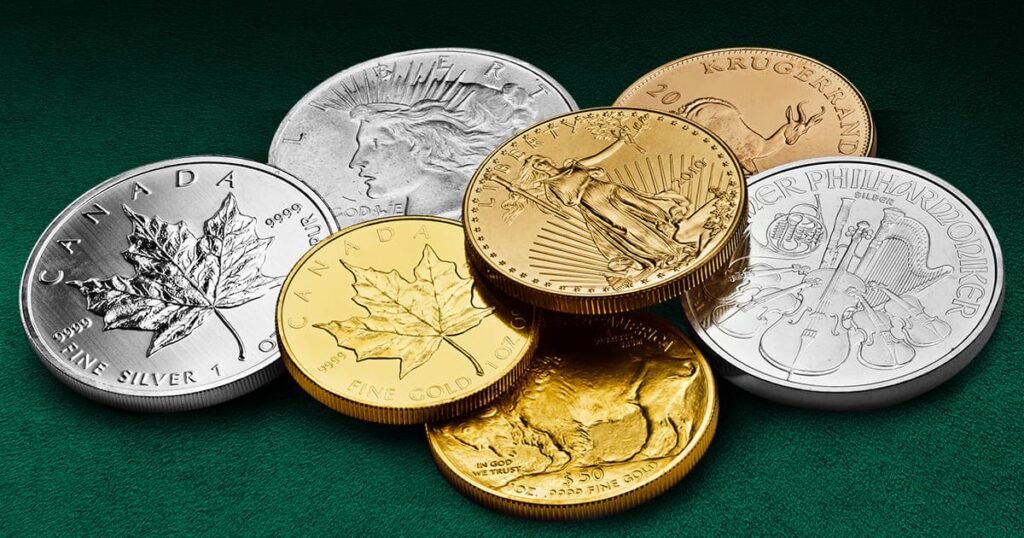
In 2025, gold and silver have hit historic peaks, grabbing the attention of investors who are eager to find safe havens amid rising financial and geopolitical turmoil. These precious metals, recognized for their reliability as stores of value for centuries, are once again demonstrating their importance in these unpredictable times.
Gold Hits Historic Levels
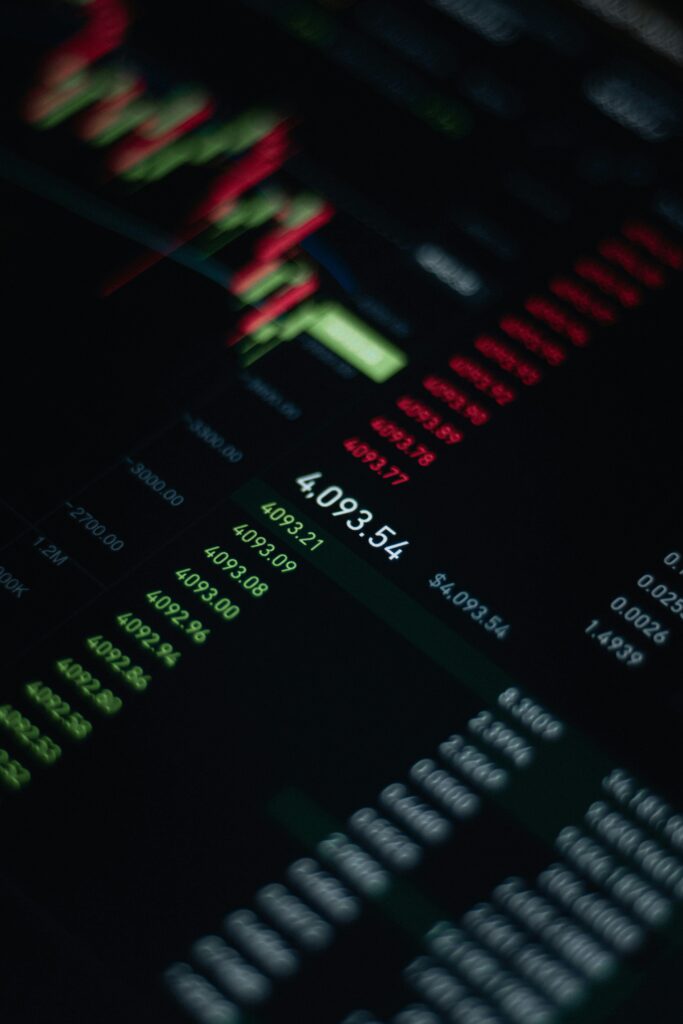
By September 2025, gold skyrocketed to an astonishing $3,571.50 per ounce, with futures even reaching $3,578.40 per ounce. This marks a new all-time high, showcasing a dramatic leap from just two years prior when gold traded around $1,800 to $2,000 per ounce. The near doubling of gold’s price in such a short span highlights the immense pressures currently influencing the global financial landscape.
Analysts point to several interconnected reasons for this surge: escalating geopolitical risks, unprecedented central bank purchases, ongoing inflation, and a waning trust in major currencies. Reuters has reported that investor demand for safe-haven assets has been a central driver of this momentum.
Silver’s Remarkable Comeback
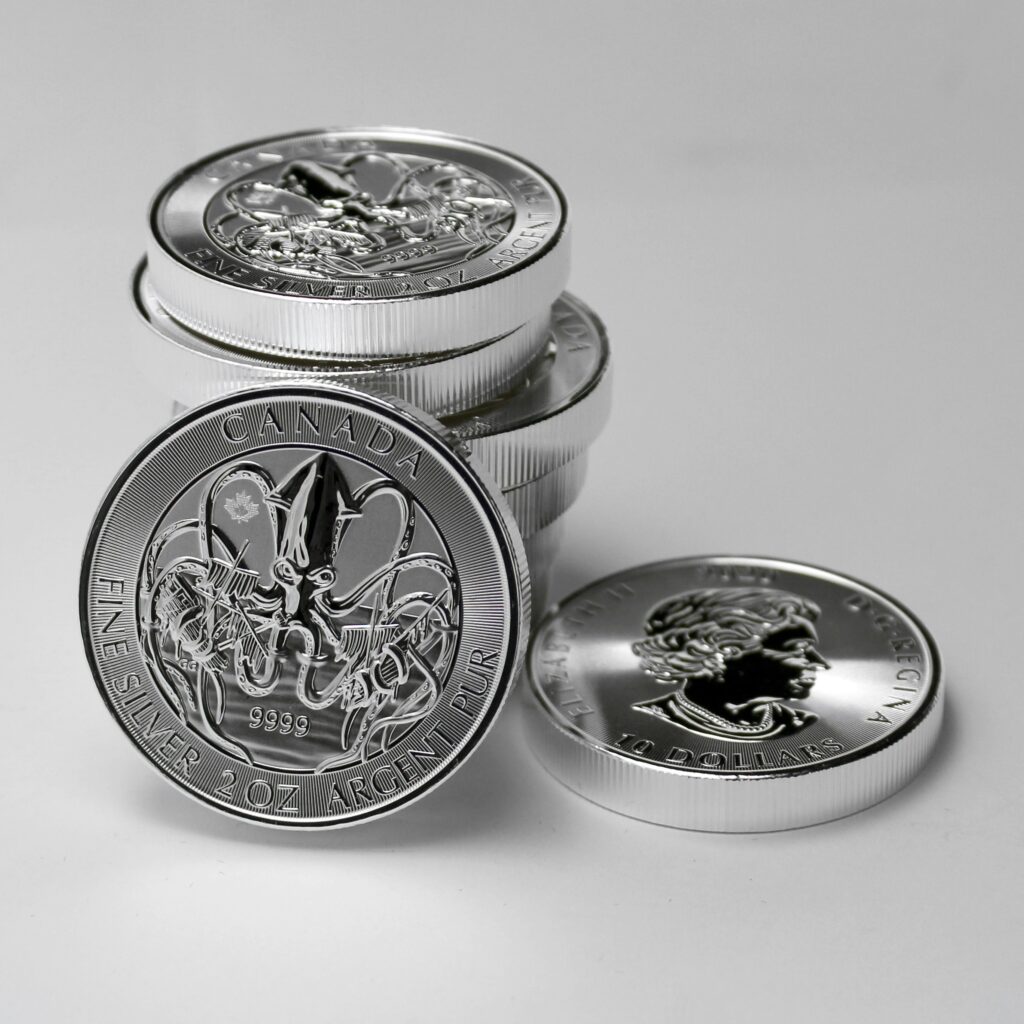
Silver, often seen as a more affordable counterpart to gold, has also experienced a remarkable upswing. By August 2025, silver prices had jumped 42% year-to-date, reaching $44.53 per ounce—the highest in over a decade. What sets silver apart is its dual role as both a safe-haven investment and a vital industrial metal. The global shift towards renewable energy has significantly boosted silver demand in solar panels, electronics, and electric vehicles, ensuring its strong market presence throughout the decade. According to the World Gold Council and MarketWatch, silver’s industrial applications are expected to keep demand strong throughout the decade.
Why Are Precious Metals Rising?
The rise in gold and silver prices isn’t attributed to a single cause but rather a blend of global dynamics:
1. Geopolitical Tensions:
Ongoing conflicts in Eastern Europe, the Middle East, and Asia have fostered global uncertainty. Heightened tensions in the South China Sea and strained relations between China and Taiwan have only intensified market anxieties. Historically, AP News notes, gold and silver prices tend to surge during such conflicts as investors flock to safer assets.
2. Trade Wars and Tariffs:
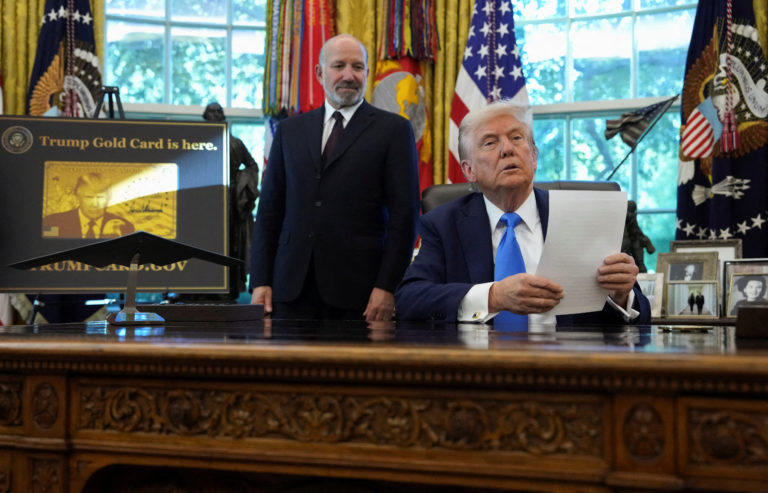
The introduction of new tariffs by former U.S. President Donald Trump in 2025 disrupted international trade. Retaliatory actions from China, India, and the EU have heightened fears of a significant trade war, leading to uncertainties in supply chains and international trade that typically drive investors towards precious metals. The Guardian has highlighted how global trade instability often translates into commodity volatility.
3. Central Bank Purchases at Record Highs:
Central banks around the world are amassing gold in record quantities. In the first quarter of 2025 alone, they purchased 244 metric tons, marking one of the largest quarterly acquisitions ever. Countries like China are shifting their reserves away from the U.S. dollar, while India and Russia are expanding their gold holdings as part of long-term monetary strategies. Even smaller nations in Africa and the Middle East are adding gold to their reserves, reflecting its continued status as a trusted asset at the highest institutional levels. The World Gold Council confirmed this record trend in its quarterly reports.
4. Inflation Concerns:
Despite various interventions by central banks, inflation remains stubbornly high in many areas. Rates hovering around 4–5% in the U.S. and Europe have diminished consumer purchasing power. As the cost of everyday goods rises and currencies weaken, the demand for inflation hedges like gold and silver has intensified. Advisor Perspectives explains that inflation expectations continue to play a critical role in investor sentiment.
5. Weakening Confidence in the Dollar:
The U.S. dollar, once viewed as the world’s most dependable safe haven, is encountering new obstacles. Initiatives by BRICS nations to create alternative trade settlement systems have undermined confidence in the dollar’s supremacy. This shift is prompting both investors and governments to diversify their holdings into precious metals.
Perspectives from Analysts
Market experts widely agree that the current momentum is unprecedented. Analysts at Bank of America have indicated that gold might reach $4,000 per ounce by mid-2026 if geopolitical tensions remain unresolved. JP Morgan emphasizes that silver’s industrial demand could sustain high prices, potentially pushing them toward $55 per ounce in the years ahead. Independent economists note that while temporary corrections may occur, the overarching trend reflects a renewed global interest in safe havens.

Historical Context
The rally of 2025 mirrors past events: In 2008, during the global financial crisis, gold jumped over 25% as equities plummeted. Similarly, in 2020, amidst the COVID-19 pandemic, gold soared to a record $2,070 per ounce as investors sought refuge.
These historical instances underscore the enduring role of precious metals in times of economic distress.
Symbolism of Gold and Silver
Beyond mere figures, the rise of gold and silver reveals a more profound truth: a quest for stability in turbulent times. Gold has always represented reliability and permanence. In contrast, silver, while more unpredictable, plays a vital role in both investment and industrial growth. As global markets face hurdles like inflation, trade conflicts, and political strife, these precious metals are once again being seen as pillars of financial safety.
The Roar Ahead
With gold priced over $3,570 an ounce and silver hovering around $44.50 per ounce, it’s clear that the global economy is adopting a cautious stance. The next few months will show whether these peaks will hold steady, decline, or rise even higher. Much will hinge on international relations, central bank policies, and the overall vitality of global commerce and finance. One thing is clear: the impressive surge witnessed in 2025 has solidified the enduring significance of gold and silver. In a landscape filled with uncertainty, they continue to stand as strong symbols of wealth preservation and economic strength.

Abhi Platia is a financial analyst and geopolitical columnist who writes on global trade, central banks, and energy markets. At GeoEconomic Times, he focuses on making complex economic and geopolitical shifts clear and relevant for readers, with insights connecting global events to India, Asia, and emerging markets.