


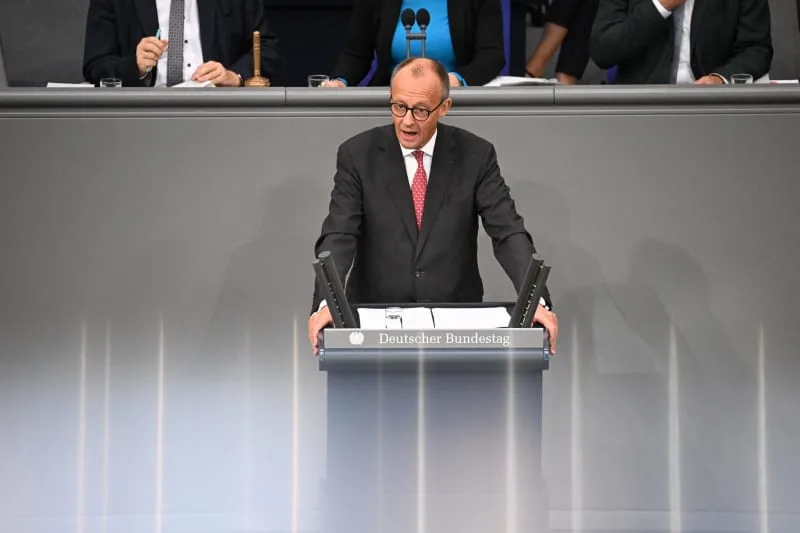
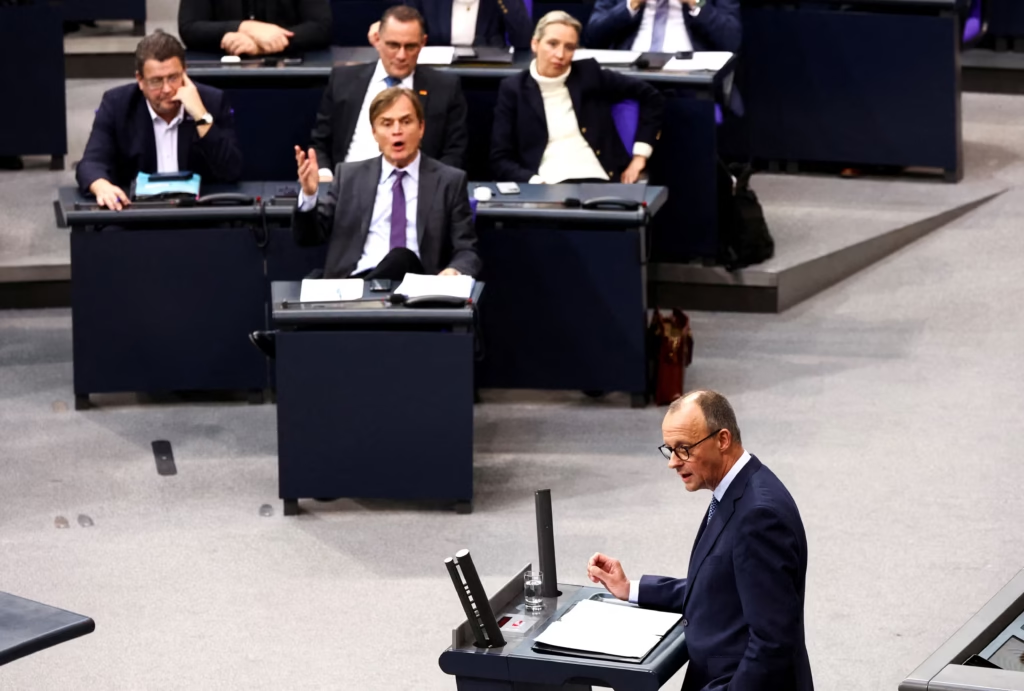
In a dramatic turn of European politics, German Chancellor Friedrich Merz delivered a fiery speech in the Bundestag on 16 September 2025, directly accusing Russian President Vladimir Putin of “murder” and systematic attempts to destabilize the West. His words mark one of the strongest official condemnations of Russia by a German leader since the start of the Russia-Ukraine war in 2022.
This bold statement is not only about Russia’s invasion of Ukraine but also about a wider spectrum of alleged Russian activities from espionage operations to airspace violations and cyber provocations. The speech signals a harder stance from Berlin, which had often been criticized in the past for being “too cautious” in dealing with Moscow.
Why Did Merz Speak Out Now?
Chancellor Merz’s remarks came at a time when tensions between Europe and Russia are escalating. Recent reports indicated that Russian fighter jets entered European airspace multiple times, prompting NATO to scramble interceptors. At the same time, German security agencies uncovered espionage networks allegedly linked to Moscow, raising alarms about infiltration at political and industrial levels.

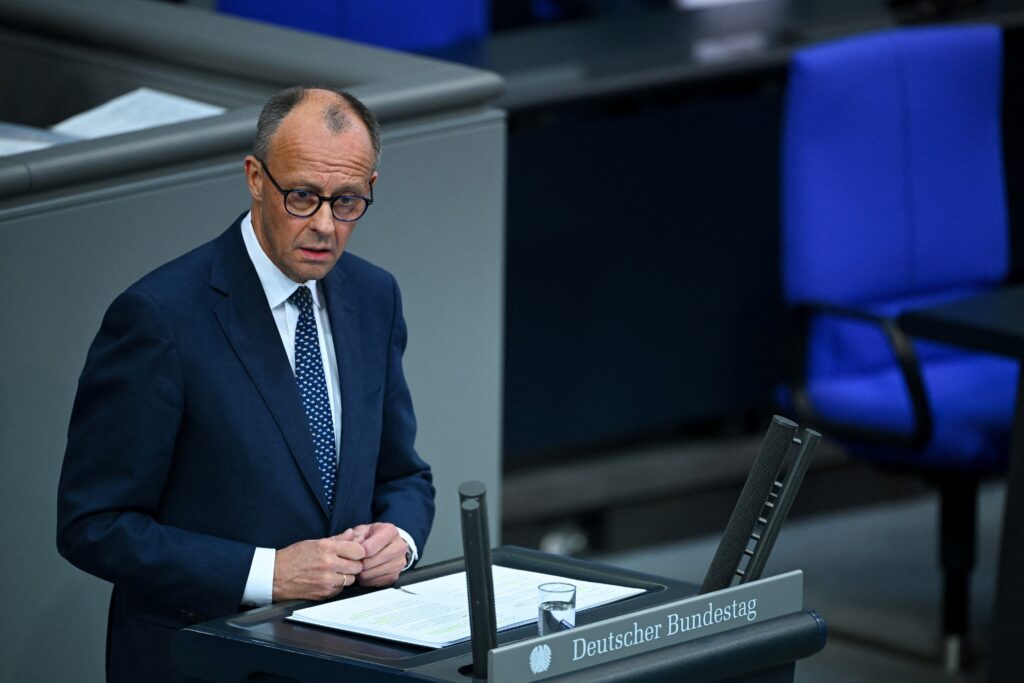
According to Deutsche Wehttps:, German intelligence believes Russia is “testing the limits” of NATO’s patience by engaging in hybrid warfare combining disinformation, cyberattacks, and covert operatives. Merz’s speech sought to draw attention to these threats and rally European solidarity.
The Accusation of “Murder”
Perhaps the most shocking part of the Chancellor’s statement was his use of the word “murder.” While he did not specify individual cases, German officials have long accused Russia of targeted killings on European soil.
For example, the 2019 Tiergarten killing in Berlin, where a Georgian dissident was shot dead in broad daylight, was officially attributed by a German court to Russian state agencies. By invoking “murder,” Merz was not speaking metaphorically he was directly pointing to Russia’s track record of political assassinations abroad.
The message was clear: Germany will no longer downplay such acts but call them out for what they are.
Destabilizing the West
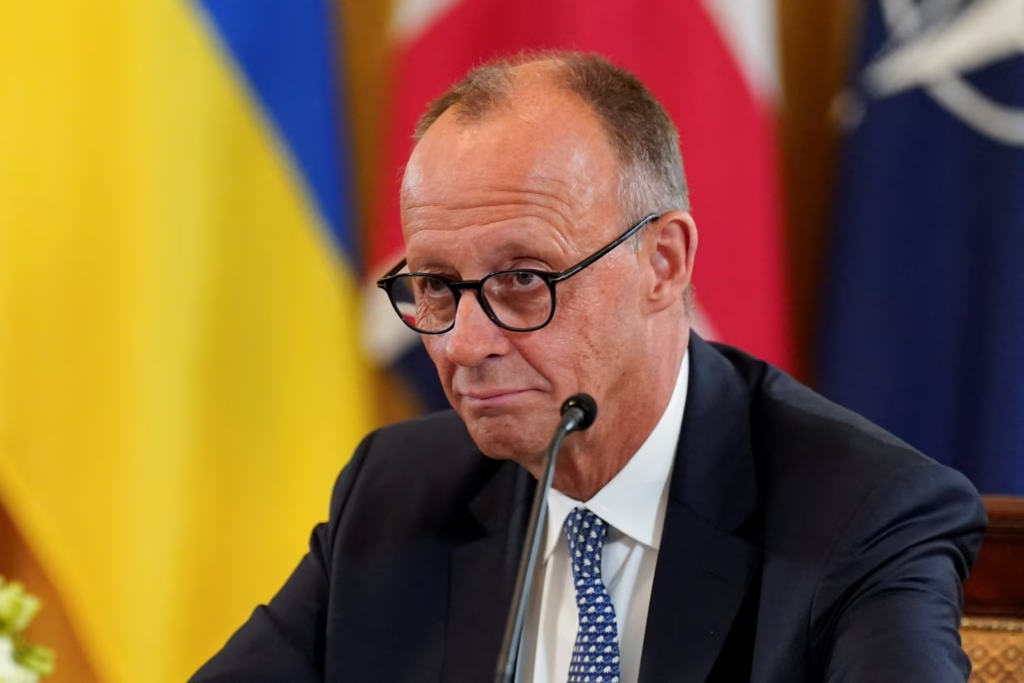
Beyond assassinations, Merz accused Putin of deliberately trying to destabilize Western democracies. His claims align with findings from both NATO reports and European intelligence briefings that detail how Russia has funded extremist groups, spread disinformation campaigns, and weaponized energy supplies against Europe.
Just this year, Russian cyber units were accused of attempting to hack into Germany’s defense ministry servers. Meanwhile, social media platforms saw coordinated Russian-linked disinformation campaigns targeting European elections.
By highlighting these issues, Merz framed Russia not only as a military aggressor but also as a global disruptor one that thrives on weakening democratic institutions.
Parliament’s Reaction
Merz’s speech drew mixed reactions in the Bundestag. Members of his own party, the Christian Democratic Union (CDU), applauded the Chancellor’s uncompromising tone. However, opposition parties, including some in the Alternative for Germany (AfD) and the Left Party, criticized him for “escalating rhetoric” and warned that it could push Germany closer to direct confrontation with Moscow.
Still, the majority of lawmakers agreed that Germany must remain firm in its stance on Russia, especially as Ukraine continues its counter-offensive against Russian forces in the east.
What This Means for NATO and the EU
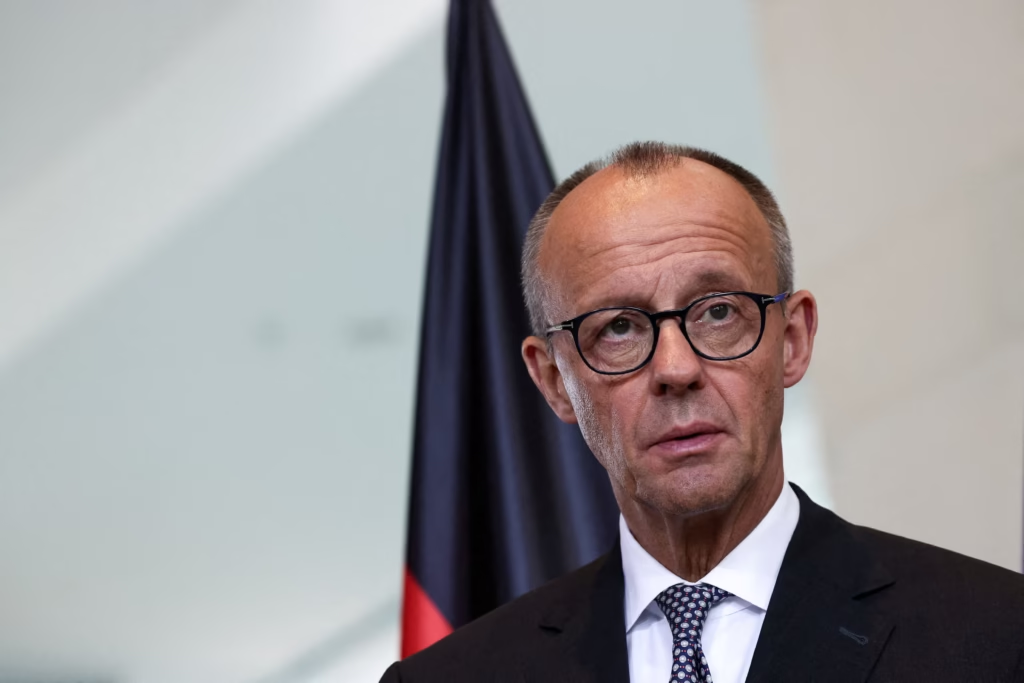
Germany’s new rhetoric could have significant consequences for NATO and the EU. Berlin has often been seen as reluctant to escalate tensions, preferring dialogue with Moscow. But Merz’s words suggest a shift toward alignment with countries like Poland, the Baltic states, and the United States, which have consistently pushed for a hardline stance against Russia.
According to Politico Europe, NATO diplomats welcomed Merz’s remarks, saying Germany’s tougher tone could pave the way for stronger collective deterrence measures. This might include expanding NATO’s eastern presence and accelerating weapons deliveries to Ukraine.
The Energy Factor
Another key element of Merz’s statement indirectly relates to Europe’s energy dependence on Russia. Before the war, Germany was one of the biggest importers of Russian gas through pipelines like Nord Stream. But after the sabotage of Nord Stream 2 in 2022, Europe has dramatically reduced its reliance on Russian energy.
By portraying Russia as a destabilizer, Merz is reinforcing the argument for energy diversification, investment in renewables, and stronger partnerships with allies like Norway, the U.S., and Qatar.
How Russia Responded
Unsurprisingly, Moscow reacted with fury. Russian officials dismissed Merz’s remarks as “hysterical Russophobia.” The Kremlin accused Germany of trying to distract from its own internal crises, such as economic stagnation and public discontent over rising energy prices.
The Russian Foreign Ministry warned that “reckless accusations” could damage already fragile diplomatic relations and accused Germany of following Washington’s lead instead of pursuing its own independent policy.

Humanizing the Impact: Why This Matters
For ordinary Germans, Merz’s words resonate deeply. Many citizens have long feared Russian cyberattacks on hospitals, infrastructure, and even schools. Communities near NATO bases worry about being drawn into a larger conflict. And for Ukrainian refugees in Germany, the Chancellor’s strong condemnation provides reassurance that their suffering is not being forgotten.
The accusation of “murder” is not just rhetoric it reflects the lived reality of dissidents, journalists, and minorities who have been silenced by the Kremlin both inside and outside Russia. By putting human lives at the center of his speech, Merz gave a voice to those who can no longer speak.
What Happens Next?
Germany’s stance will likely shape the EU’s collective response to Russia in the coming months. Analysts expect:
- Stronger EU sanctions on Russian officials and businesses.
- Increased NATO military readiness on the eastern flank.
- Greater cybersecurity coordination across Europe.
- Expanded weapons support for Ukraine, including air defense systems.
The real question is whether this shift will escalate into a broader confrontation or if it will serve as a deterrent to Putin’s ambitions.
Conclusion
Chancellor Friedrich Merz’s fiery speech marks a turning point in Germany’s Russia policy. By accusing Putin of “murder” and destabilization, he has raised the stakes in the geopolitical struggle between Moscow and the West.
This is not just about Ukraine anymore. It’s about whether Europe can defend its sovereignty, protect its democracies, and safeguard its people from hybrid threats.
Merz’s words may be controversial, but they reflect a reality Europe can no longer ignore: Russia is not just fighting a war in Ukraine it is waging a broader war on the stability of the West.


Abhi Platia is a financial analyst and geopolitical columnist who writes on global trade, central banks, and energy markets. At GeoEconomic Times, he focuses on making complex economic and geopolitical shifts clear and relevant for readers, with insights connecting global events to India, Asia, and emerging markets.