


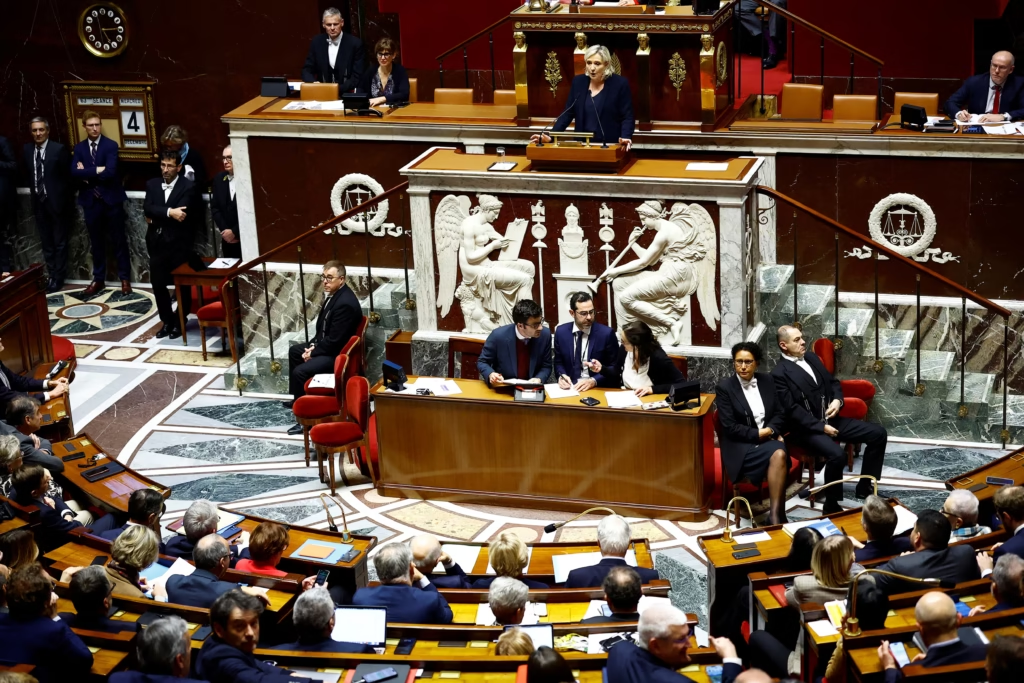
France faces sovereign rating pressure amid political turmoil, and this development is shaking confidence across Europe and global markets. Rating agencies are reassessing France’s creditworthiness amidst rising debt and instability in its political landscape. If a downgrade occurs, it could pose one of the most severe financial challenges the eurozone has faced in years.
This article aims to clarify the situation: why France is under scrutiny, what implications this has for its economy, how political issues have exacerbated the situation, and why the world is keeping a close eye on these developments.
1. What’s Happening with France’s Sovereign Rating?

France is currently rated AA– by Fitch Ratings, but the rating comes with a negative outlook. That means Fitch already sees risks that could push the country lower.
A downgrade would move France to A+, just seven steps above junk status. This sounds technical, but in practice it means France would look riskier for investors. A lower rating forces governments to pay higher interest rates when they borrow money, and France already carries a very heavy debt load over 110% of GDP (OECD).
2. Why Is France Under Pressure Now?
The answer is politics + debt.
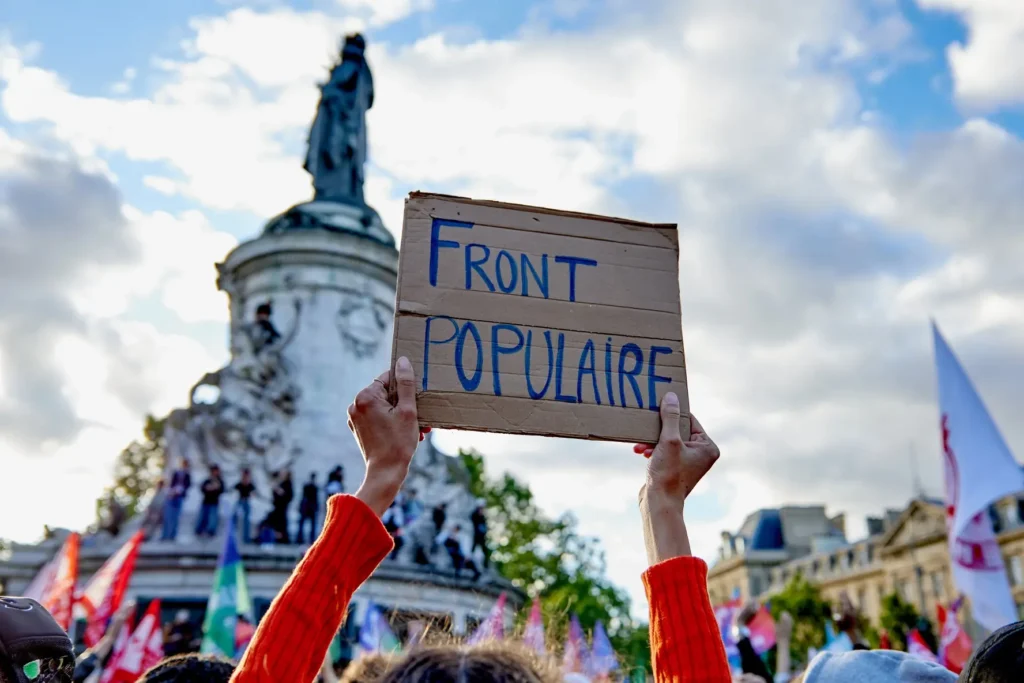
- France’s government has been in political turmoil. Parliamentary disputes and weak majority support have made it hard to pass new laws or budget reforms (Reuters).
- Spending has been high, while revenues lagged behind, pushing debt levels up.
- Investors now doubt whether France can stick to any credible plan to reduce its debt.


France is struggling to control its finances, and politics is blocking solutions.
3. What Would a Downgrade Mean for France?
If France’s rating is lowered, a few significant consequences would follow:
Borrowing Costs Would Rise – France would face higher interest rates when issuing bonds, making its national debt even more challenging to manage.
Forced Bond Sales – Many investors, including pension funds and banks, are limited to holding only “investment-grade” bonds. A downgrade could lead some investors to sell off their holdings (Moody’s).
Decreased Market Confidence – A country’s drop in rating often results in foreign investors pulling back. This could weaken the currency, increase inflation, and slow down economic growth.
For France, which already allocates a large portion of its budget to debt repayments, such effects could be dire.
4. The Role of Political Turmoil in Worsening the Situation

France is no stranger to protests and strikes, but today’s problem is deeper: a government gridlocked by politics.
- There have been multiple confidence votes in parliament (France24).
- The government lacks a stable majority to push reforms.
- Divisions over spending cuts, taxes, and pensions are blocking decisions.
Credit rating agencies do not just look at numbers they also look at governance and stability. Political weakness signals that France might not take the tough steps needed to fix its debt.
5. How This Affects Europe and the Eurozone
France is the second-largest economy in the eurozone, right after Germany (Eurostat). That makes it central to Europe’s stability.
- If France is downgraded, borrowing costs may rise for other European countries too, as investors worry about contagion.
- The euro currency could weaken against the U.S. dollar, making imports more expensive and adding inflation pressure (Bloomberg).
- Investors may demand higher yields from weaker countries like Italy, Spain, and Portugal, risking a repeat of the 2010–2012 eurozone debt crisis (IMF).
In short, if France sneezes, Europe could catch a cold.
6. Global Consequences: Why the World Is Paying Attention
This is not just a European story. The global financial system is deeply connected, and France’s troubles can spread.
- Bond Markets: Investors often move money quickly between countries. If France is downgraded, global funds may shift even more money into U.S. Treasuries (Washington Post) or German Bunds.
- Safe Haven Assets: Gold is already trading near record highs. Rating fears could push it higher as investors seek safety (CNBC).
- Trade and Growth: France is a key trade partner for the U.S., China, India, and Africa. A slowdown would hit exports and supply chains.

7. What Lies Ahead?
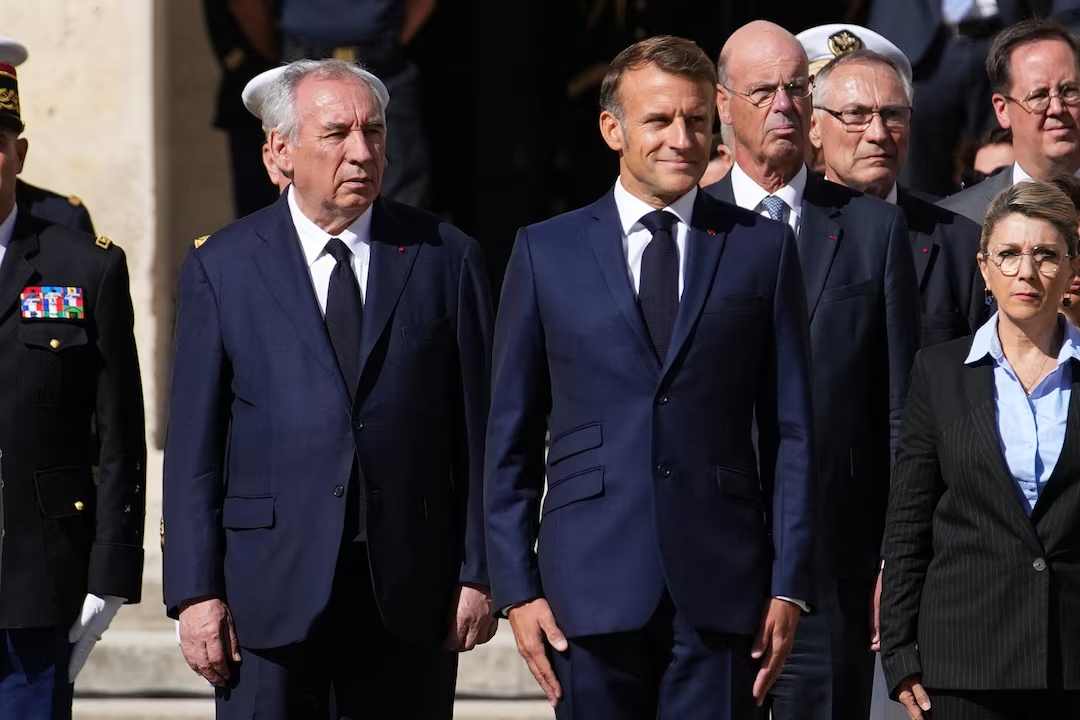
Agencies like Fitch, Moody’s, and S&P Global are set to review France’s credit standing in the coming weeks. The decision will depend on:
- Whether France can enact new fiscal reforms
- how political stability evolves
- and if its debt begins to decrease relative to GDP.
If France fails to reassure investors, a downgrade appears imminent.
Comparison to Past Crises
The situation has echoes of the 2010–2012 eurozone debt crisis, when Greece, Italy, and Spain faced rating downgrades and surging borrowing costs. Back then, the European Central Bank had to step in with emergency programs.
The key difference today is France’s size; a downgrade would not just disrupt Europe but could shake global markets as well. Unlike Greece, France is too large to be easily bailed out.
Human Angle: What It Means for Ordinary People
For regular French citizens, the idea of a credit rating downgrade can feel distant. But it matters:
- Higher government borrowing costs may lead to austerity measures, including cuts to public spending.
- Inflation could rise if the euro weakens.
- Unemployment may increase if growth slows.
In short, political drama at the top could translate into higher costs and fewer opportunities for ordinary people.
Conclusion: Why France Must Act Fast
The phrase “France faces sovereign rating pressure amid political turmoil” is not just another news headline; it serves as a crucial warning. France’s significant debt and shaky political landscape have placed it in a precarious situation.
If the government manages to restore stability and embraces meaningful reforms, it could regain public confidence. However, if they fail to act, a downgrade could set off a domino effect that resonates throughout Europe and beyond.
The implications are serious not just for France but for the entire global economy. Investors, state leaders, and everyday people alike should keep a close eye on developments in Paris in the coming weeks.


Abhi Platia is a financial analyst and geopolitical columnist who writes on global trade, central banks, and energy markets. At GeoEconomic Times, he focuses on making complex economic and geopolitical shifts clear and relevant for readers, with insights connecting global events to India, Asia, and emerging markets.