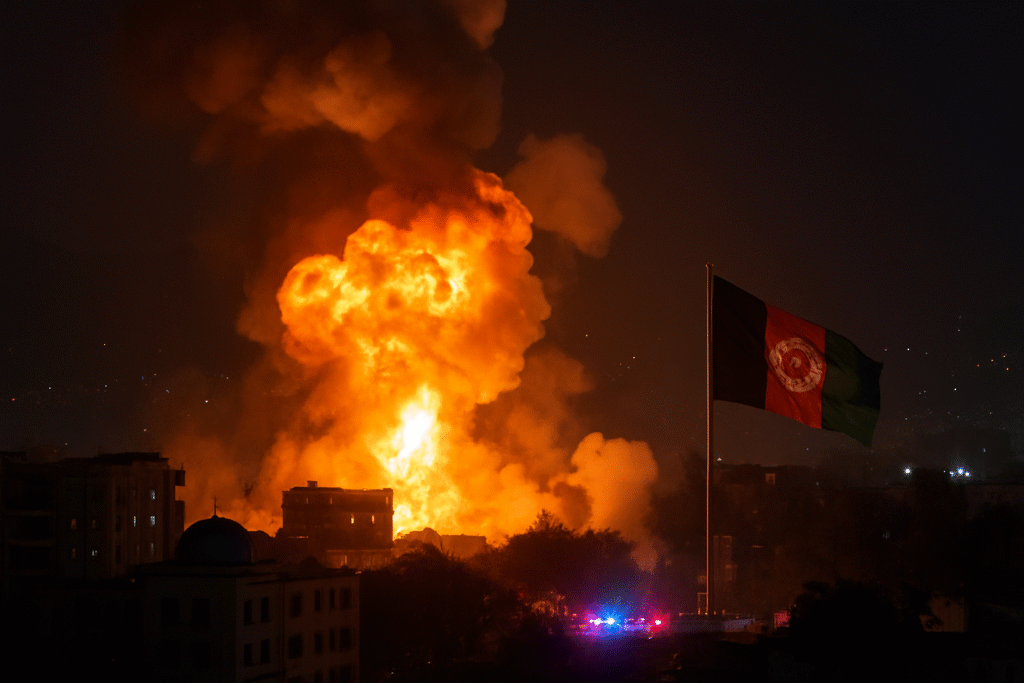
Kabul, AfghanistanA massive explosion rocked Kabul this week, sending shockwaves through an already fragile region. Initial reports were fragmented and chaotic, with speculation swirling that Pakistan might have launched a cross-border strike. The Afghan capital, still scarred by decades of conflict, once again finds itself at the center of regional tensions and this time, the implications could be far-reaching.
But did Pakistan really bomb Kabul? Or is this another episode in the blame game that defines South Asian geopolitics?
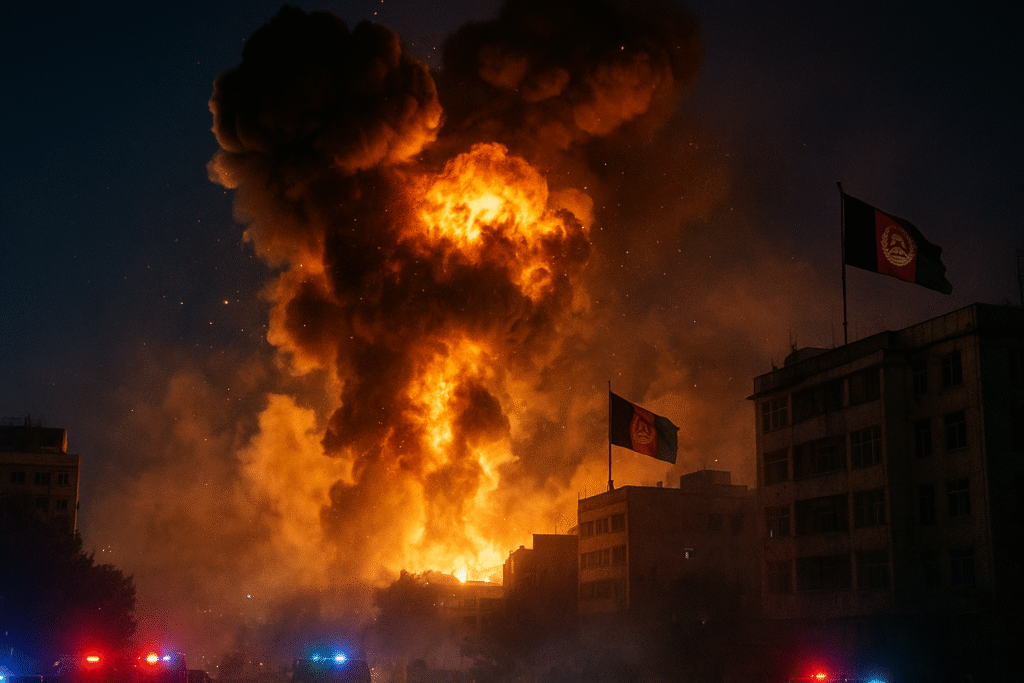
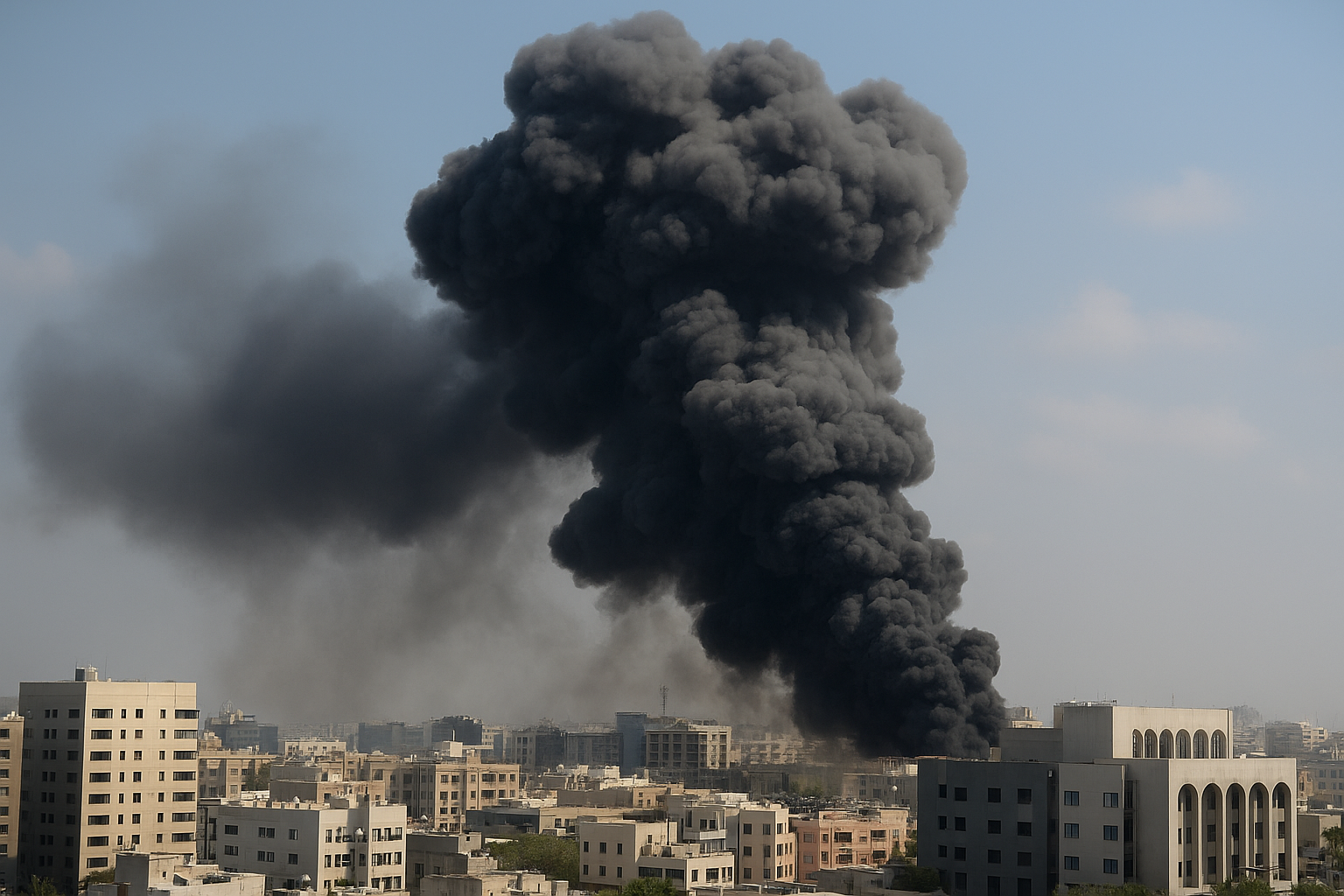
According to Afghan security sources, the explosion occurred near Kabul’s northern district late at night. The blast reportedly targeted what local residents described as a “strategic facility.” Within minutes, social media lit up with videos of flames rising into the night sky, with some claiming to hear aircraft overhead.
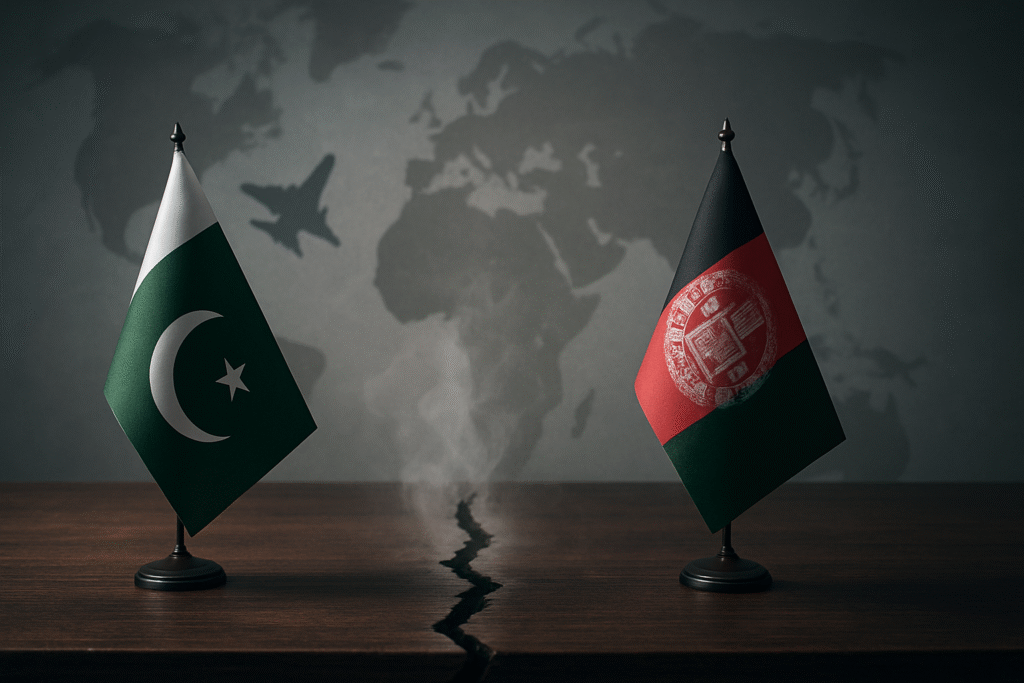
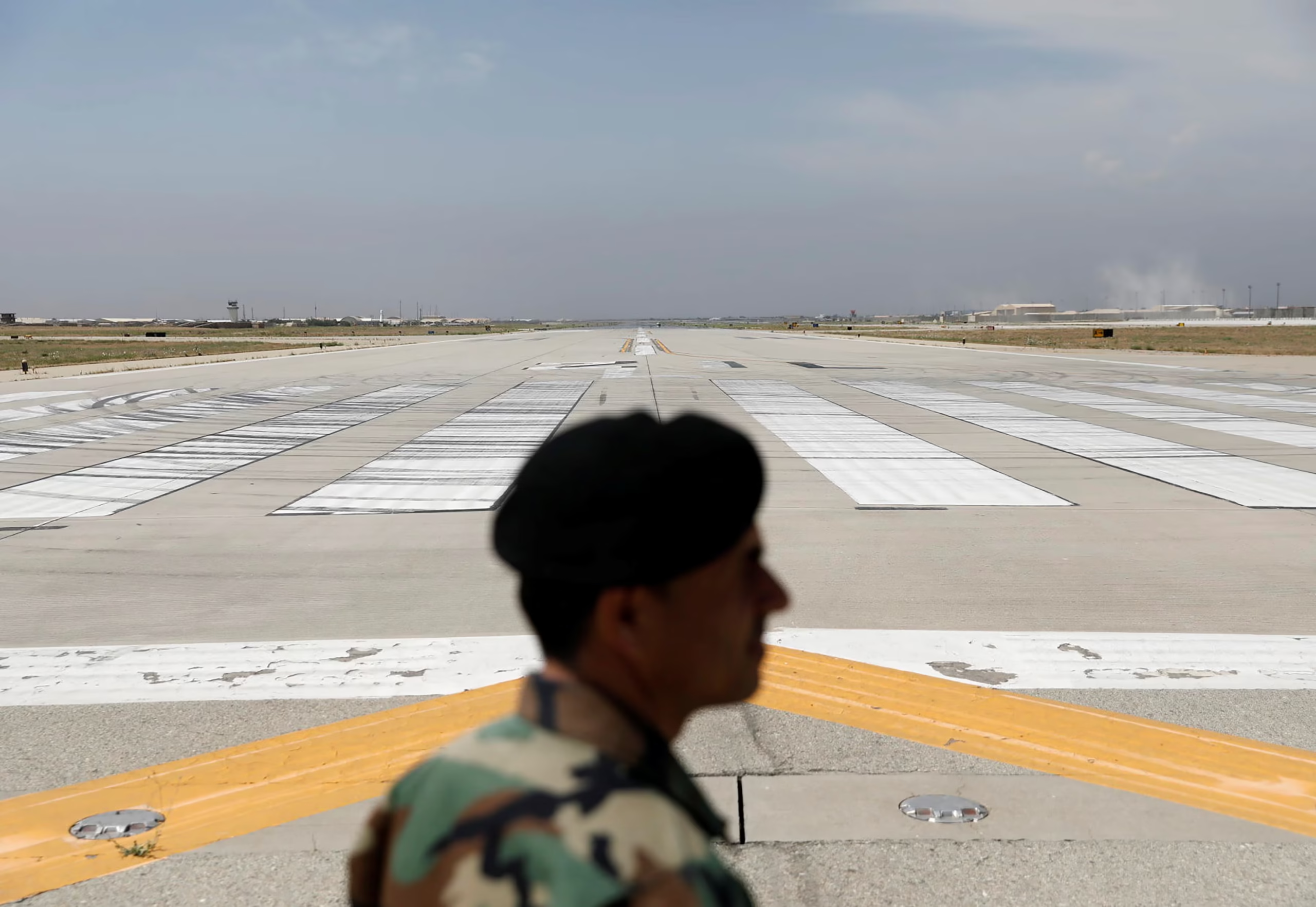
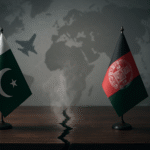
Its AI GENERATED
While the Taliban government quickly condemned the attack, it stopped short of directly naming Pakistan though officials in Kabul hinted at “foreign involvement.” Pakistani authorities, meanwhile, have categorically denied any cross-border strike, calling such claims “baseless and inflammatory.”
The timing, however, raises eyebrows. The explosion comes amid heightened tensions between Pakistan and the Taliban, as Islamabad blames Kabul for harboring Tehrik-i-Taliban Pakistan (TTP) militants who continue to launch deadly attacks across Pakistan’s Khyber Pakhtunkhwa and Balochistan regions.
The Historical Backdrop A Tale of Mutual Suspicion
Afghanistan and Pakistan share one of the world’s most volatile borders the Durand Line, drawn by the British over a century ago. For decades, both sides have accused the other of destabilization.
Pakistan alleges that the Taliban’s rise has emboldened TTP militants, who use Afghan soil as a safe haven. Kabul, on the other hand, accuses Islamabad of interfering in its internal affairs and supporting rival militant factions to maintain regional leverage.
This uneasy relationship dates back to the Soviet-Afghan War, when Pakistan’s intelligence agency, the ISI, backed mujahideen fighters many of whom would later form the Taliban. Even after the U.S. withdrawal in 2021, Pakistan hoped the Taliban-led Afghanistan would align closely with its strategic interests. Instead, Kabul’s new rulers have proved unpredictable and increasingly defiant.
Pakistan’s Strategic Dilemma
Islamabad finds itself trapped between pressure from the West, domestic security crises, and deteriorating relations with its eastern and western neighbors. The resurgence of the TTP has forced Pakistan’s military to consider drastic measures, including potential cross-border operations something that would have been unthinkable a few years ago.
Recently, Pakistani officials hinted that if Afghanistan fails to curb TTP activity, “Pakistan reserves the right to defend itself.” This statement, though diplomatic in tone, carries military weight.
If indeed the explosion in Kabul was caused by a cross-border strike even accidentally it could mark a new phase of regional instability, one that drags Afghanistan, Pakistan, and potentially even Iran into a volatile triangle.
Afghanistan’s Reaction: Defiance and Denial
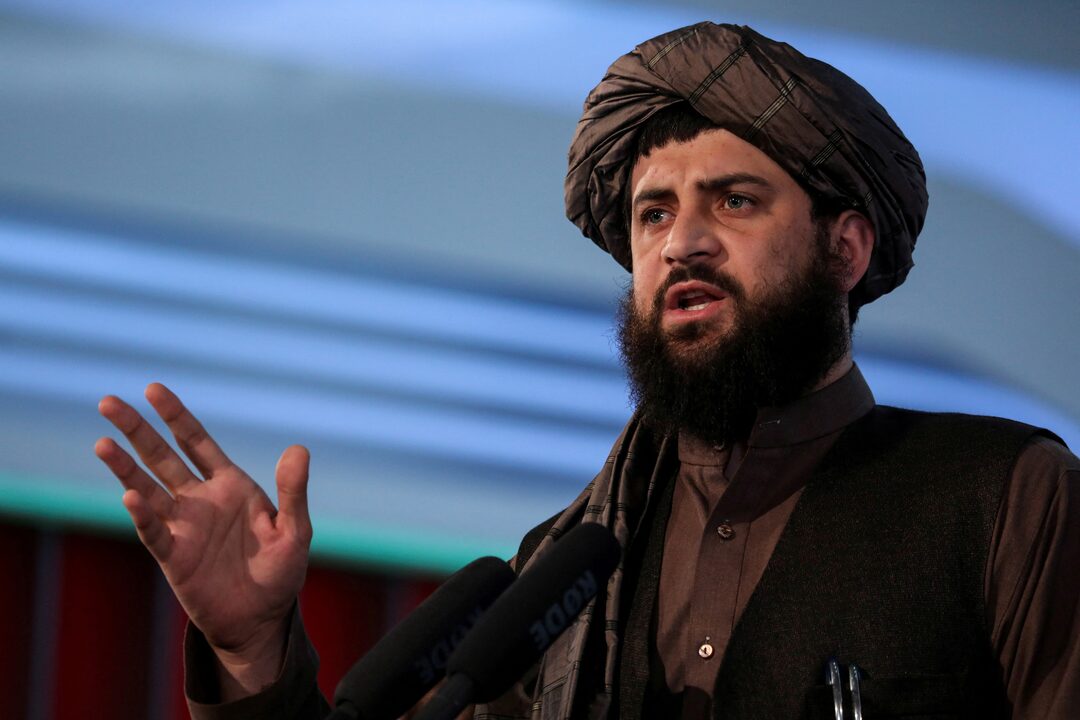
The Taliban government swiftly condemned the attack, calling it a “cowardly attempt to destabilize Afghanistan.” Spokesperson Zabihullah Mujahid warned that any violation of Afghan sovereignty would “not go unanswered.”
Its AI GENERATED
Yet, within Afghanistan, skepticism runs deep. Some locals believe the explosion could be linked to internal rivalries within the Taliban particularly between the Haqqani Network and Kandahar-based factions. Others suggest the blast might have targeted an ISIS-K cell, as the group has been active in Kabul in recent months.
Without verifiable satellite or forensic evidence, confirming the source of the attack remains nearly impossible. But what’s clear is that the political fallout has already begun.
India and the Regional Angle
For India, the incident carries significant implications. New Delhi has been quietly re-engaging with Afghanistan, seeking to rebuild humanitarian and infrastructure ties without directly recognizing the Taliban regime.
If Pakistan is seen as aggressively targeting Afghan territory, it may push Kabul closer to India something Islamabad wants to avoid.
According to Dr. Meera Shankar, a South Asia analyst at the Observer Research Foundation (ORF), “Every Pakistani strike or military escalation inadvertently strengthens India’s soft power in Afghanistan. The Taliban may not be pro-India, but they are increasingly wary of being seen as Pakistan’s client.”
Furthermore, the instability in Afghanistan risks spilling over into India’s own security environment, particularly in Jammu and Kashmir, where Pakistan-based groups may seek to exploit chaos on the western front.
Geopolitical Ripple Effects Beyond South Asia
The explosion also reverberates across broader geopolitics. China, which has invested heavily in regional connectivity projects through the China-Pakistan Economic Corridor (CPEC), is concerned about spillover violence.
Beijing recently held talks with both Pakistan and the Taliban, urging “mutual restraint.” Analysts believe China’s message is clear: instability in Afghanistan threatens Beijing’s economic interests especially mining contracts and road linkages vital for CPEC’s northern extension.
Meanwhile, the United States, which still monitors Afghanistan’s security situation remotely, expressed “deep concern” about any escalation between two nuclear-armed neighbors. Washington’s leverage is limited, but it fears that renewed instability could create space for ISIS-K and other transnational terror networks.
Expert Views What Analysts Say
Defense expert Lt. Gen. (Retd.) Talat Masood of Pakistan argues that Islamabad “would not risk direct confrontation with the Taliban government.” However, he admits that rogue actions or covert precision strikes cannot be ruled out if Pakistan faces continued cross-border terrorism.
On the Afghan side, Kabul-based journalist Abdul Qadir Sediqi told local media that the explosion “reflects the lack of trust between Islamabad and Kabul more than any formal act of war.”
International observers caution against jumping to conclusions. The UN Assistance Mission in Afghanistan (UNAMA) has called for an independent investigation to determine the cause and origin of the explosion.
Data Snapshot: Pakistan–Afghanistan Border Clashes (2015–2025)
The numbers show a clear upward trend in cross-border violence since 2021 suggesting the current explosion is part of a larger pattern of escalation, not an isolated incident.
Possible Scenarios Ahead
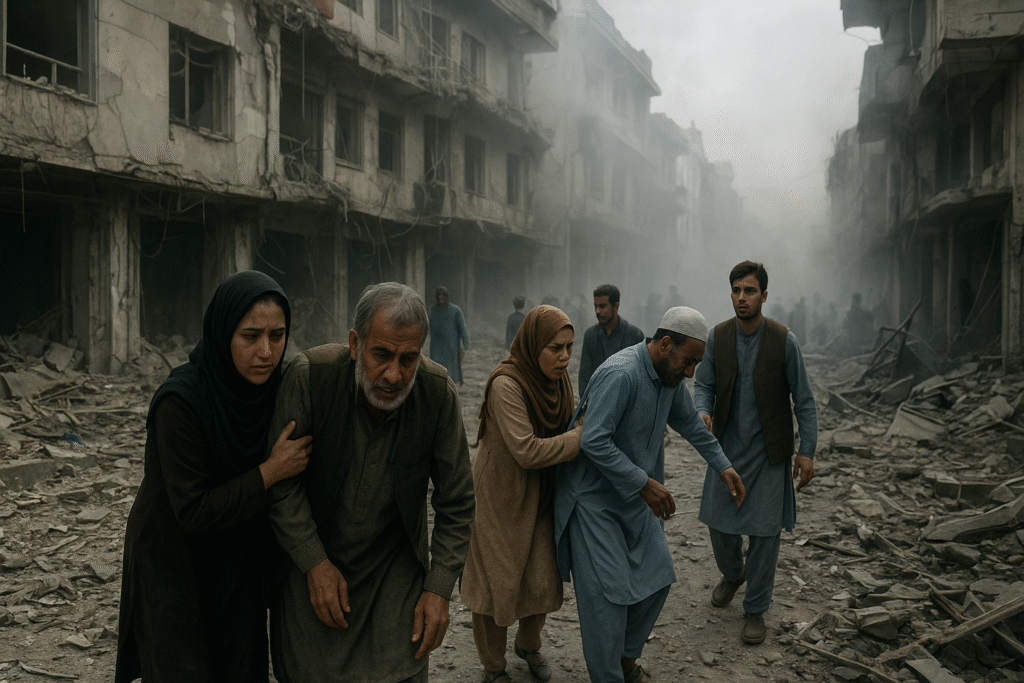
Its AI GENERATED
Controlled Escalation: Both Pakistan and the Taliban could exchange diplomatic barbs but avoid direct confrontation, settling for limited border operations.
Mutual Retaliation: If evidence of a Pakistani strike emerges, Kabul may allow TTP-linked elements more operational freedom as “unofficial retaliation.”
Regional Mediation: China, Qatar, or even Turkey may step in to mediate, as all have stakes in regional stability and economic connectivity.
Wider Instability: The worst-case scenario continued attacks and miscalculations could spiral into open conflict, disrupting trade routes and worsening humanitarian crises.
The Broader Meaning Fragile Peace in South Asia
Whether Pakistan bombed Kabul or not, the explosion underscores a dangerous truth: the Afghan conflict is not over it has merely changed shape. The battle is now one of intelligence, influence, and strategic patience, fought through proxies and covert operations rather than full-scale invasions.
For ordinary Afghans, however, the story remains heartbreakingly familiar another night, another explosion, and another round of uncertainty about what tomorrow brings.
Conclusion
The Kabul blast may remain shrouded in mystery, but it has already exposed the fragility of regional peace. The line between security and provocation is dangerously thin, and every misstep risks lighting a geopolitical fire that none of the players Pakistan, Afghanistan, or India can afford.
In an age where rumors move faster than facts, it’s not the first explosion that matters most, but how nations choose to respond afterward.
South Asia stands at a crossroads one miscalculation away from crisis, and one wise decision away from stability.
Abhi Platia is a financial analyst and geopolitical columnist who writes on global trade, central banks, and energy markets. At GeoEconomic Times, he focuses on making complex economic and geopolitical shifts clear and relevant for readers, with insights connecting global events to India, Asia, and emerging markets.