


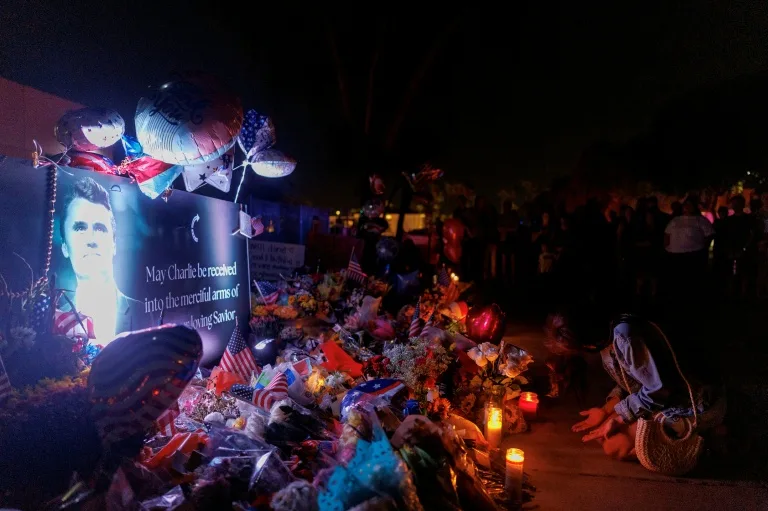
September 2025 will be etched in memory as a haunting month for the United States. Three tragedies the assassination of conservative activist Charlie Kirk, the murder of Ukrainian refugee Iryna Zarutska, and the beheading of Indian motel manager Chandra Nagamallaiah in Dallas have not only rocked communities but also ignited urgent discussions about safety, politics, and what it means to be American.
Each incident is distinct. Yet together, they weave a narrative of a society grappling with random violence, political turmoil, and unrestrained fury, prompting ordinary citizens to wonder: Is anywhere truly safe anymore?
1. The Assassination of Charlie Kirk


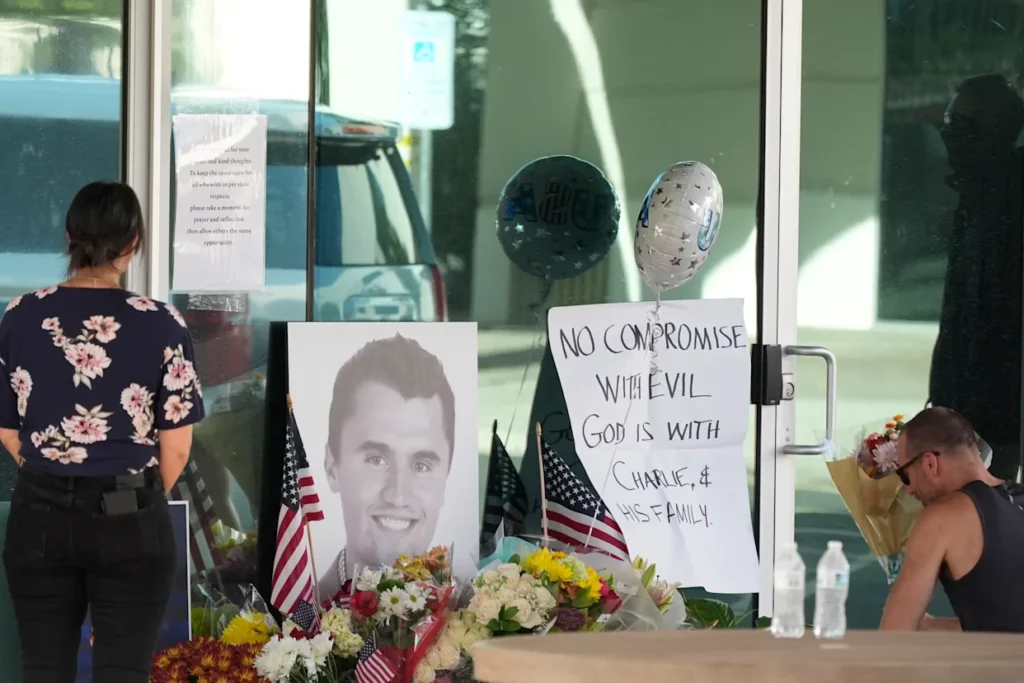
On September 10, during a speech at Utah Valley University, Charlie Kirk, the well-known founder of Turning Point USA, had his life cut short by a sniper’s bullet. Attendees reported a sharp crack followed by Kirk collapsing on stage, blood pouring from his neck. Despite swift efforts to rush him to the hospital, he did not make it.
Authorities suspect the shooter fired from a rooftop some distance away, vanishing before security could respond. The FBI has since received over 7,000 tips, highlighting the national importance of this case. Utah’s governor described it as nothing less than a “political assassination.”


Former President Donald Trump reacted with profound sadness and outrage, labeling Kirk “a legendary fighter for America” and advocating for the death penalty for the shooter. He tied the murder to a broader climate of “unchecked lawlessness” that he believes has taken hold across the nation. As reported by The Sun, Kirk’s last social media posts are now circulating among supporters, serving as haunting reminders of his final moments.
2. The Murder of Iryna Zarutska

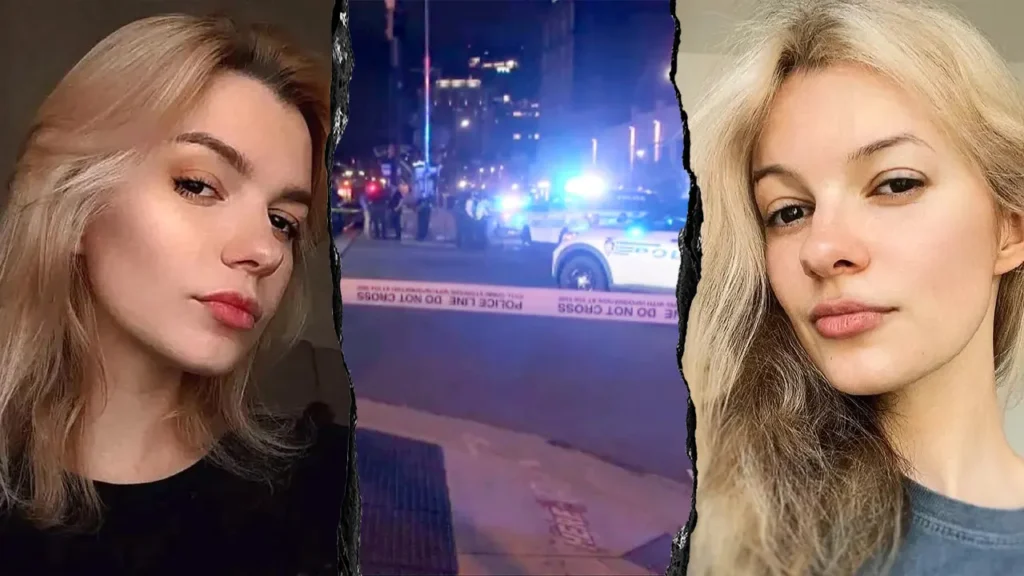
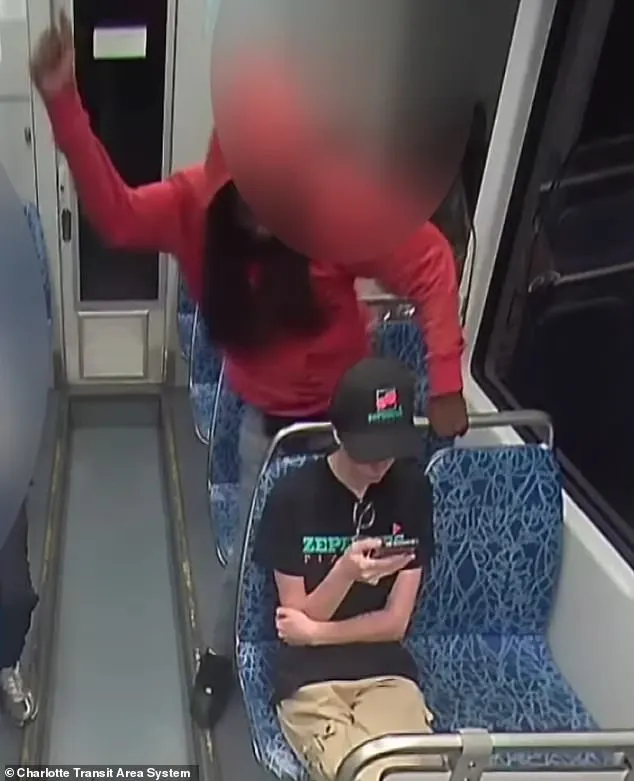
Just weeks before Kirk’s assassination, tragedy struck in Charlotte, North Carolina. On August 22, Iryna Zarutska, a 23-year-old Ukrainian refugee, boarded the Lynx Blue Line light-rail train after finishing a late shift at a restaurant. Moments later, she was violently stabbed to death by Decarlos Brown Jr., a 34-year-old man with an extensive criminal history and a history of schizophrenia.
According to Indian Express CCTV footage captured Iryna innocently scrolling through her phone in her pizza-shop outfit before Brown suddenly attacked, stabbing her three times once fatally in the neck. She died instantly, alone among strangers.
Iryna’s story is profoundly tragic. She had escaped the horrors of Russia’s invasion of Ukraine in 2022, seeking a new life in America. People Magazine described her as “a young woman chasing the American Dream hardworking, kind, and determined.” She learned English, juggled multiple jobs, and sent money back home to her family. Instead of building her dream, she became another grim statistic in America’s escalating public-safety crisis.

The outrage rippled beyond Charlotte. Trump frequently invoked Iryna’s case in his rallies and speeches, calling for tougher crime laws. As reported by Reuters, he branded her killer a “lunatic” who should never have been on the streets and urged federal prosecutors to seek the death penalty. Her family, speaking to The Times of India, criticized not only the murder but also the systemic failures from lax bail laws to inadequate mental health oversight that allowed a repeat offender to remain free.
3. Dallas Horror: A Beheading Over a Washing Machine
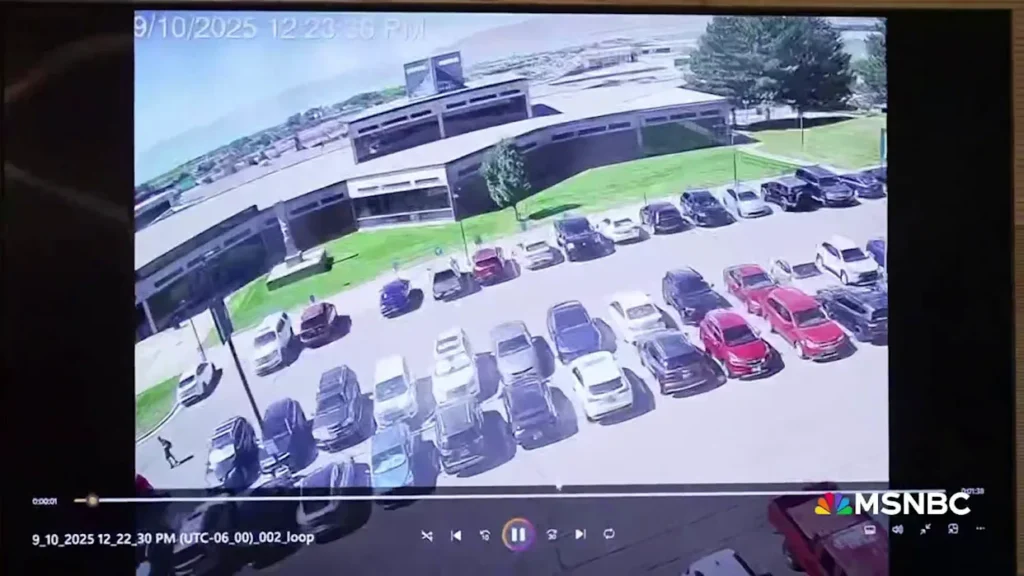
If Kirk’s assassination represented political violence, and Iryna’s murder illustrated random brutality, then the incident in Dallas revealed rage at its most horrific.
On September 10, during a dispute with a guest over a broken washing machine, Chandra Nagamallaiah, a 52-year-old Indian motel manager, was killed in front of his wife and son. According to The Sun, the assailant Yordanis Cobos-Martinez, 37 used a machete to slash and ultimately behead Chandra in the parking lot. Witnesses described the scene as “barbaric, medieval violence.”
The shocking brutality left Dallas’s Indian community reeling. Candlelight vigils quickly transformed into angry protests demanding better protection for immigrant workers. “He worked tirelessly for years to provide for his family,” one mourner told reporters. “And he was slaughtered like this? America must answer.”
4. Connecting the Dots: A Nation on Edge
Individually, these tragedies might have been dismissed as isolated. But together, they reveal troubling patterns:

- Randomness of violence. Kirk was gunned down mid-speech, Iryna stabbed during a train ride, Chandra murdered over an appliance. None saw it coming.
- Systemic failures. Iryna’s killer had prior arrests. Mental-health systems and bail reforms failed to prevent him from re-offending. Kirk’s assassination raised questions about security at public events. Dallas revealed how small disputes can escalate unchecked.
- Politics fueling perception. As Reuters highlighted, Trump and other leaders are using these crimes to push platforms on law and order. But critics argue that turning victims into political symbols does little to address root causes like inequality, untreated mental illness, and gun access.
- Immigrant and refugee vulnerability. Both Iryna and Chandra came seeking safety and stability. Their deaths highlight how immigrant communities, often working long hours in vulnerable jobs, remain disproportionately exposed to violence.
5. Voices of the Victims
The most poignant responses have not come from politicians but from the families of the victims.
Iryna’s relatives in Ukraine described her as “a heart of gold,” bewildered that she survived bombings in Kyiv only to perish on a commuter train in America, as reported by Times of India.
Chandra’s family in Dallas demanded answers: Why was a violent guest allowed in the motel? Why wasn’t help more prompt?
Kirk’s supporters, a wave of young conservatives, are viewing his death as a form of martyrdom, flooding social media with tributes and expressing outrage over what they consider a rise in “political terrorism.”
6. America’s Violence as Public Spectacle
What is striking about these cases is not just the acts themselves but the way they unfolded in public spaces a college campus, a commuter train, a motel parking lot. They send a message: no place is safe.
- Trains and buses, once symbols of urban life, are now sites of fear.
- Political rallies, meant for speech and debate, turn into targets.
- Immigrant workplaces, the backbone of service industries, become crime scenes.
As Indian Express observed in its coverage of Iryna’s killing, the sense of insecurity is no longer abstract it’s woven into daily life.
7. What Comes Next?
Experts warn that without reform, such tragedies will only multiply.
- Public anger rising. Protests, vigils, and rallies are spreading, particularly among immigrant groups and conservative activists. Many see the state failing in its basic duty: to protect life.
- Law and order vs. systemic reform. Some call for harsher sentences, bail restrictions, and expanded policing. Others argue for investing in mental-health care, social services, and community safety measures.
- Federal involvement. Prosecutors are already pursuing the death penalty for Iryna’s killer. Kirk’s assassination will likely fall under federal terrorism statutes.
8. A Human Close: More Than Just Headlines


Behind the politics and policies are real people:
- Charlie Kirk, 31, a polarizing figure who created a national youth movement.
- Iryna Zarutska, 23, a refugee who exchanged the sounds of bombs in Kyiv for the hum of a train in Charlotte only to meet her end there.
- Chandra Nagamallaiah, 52, a dedicated motel manager remembered by friends as “gentle, humble, and devoted to his family.”
Their deaths aren’t just numbers. They reflect a society in conflict.
Final Word
When a political leader, a refugee, and an immigrant worker can all be killed in public spaces within days of each other, it signals more than coincidence; it points to a crisis. The United States, once viewed as a symbol of safety and opportunity, risks turning into a cautionary tale.
As one mourner at Iryna’s vigil told People Magazine
“She came here for peace. Instead, she found America’s violence. That should terrify us all.”


Abhi Platia is a financial analyst and geopolitical columnist who writes on global trade, central banks, and energy markets. At GeoEconomic Times, he focuses on making complex economic and geopolitical shifts clear and relevant for readers, with insights connecting global events to India, Asia, and emerging markets.