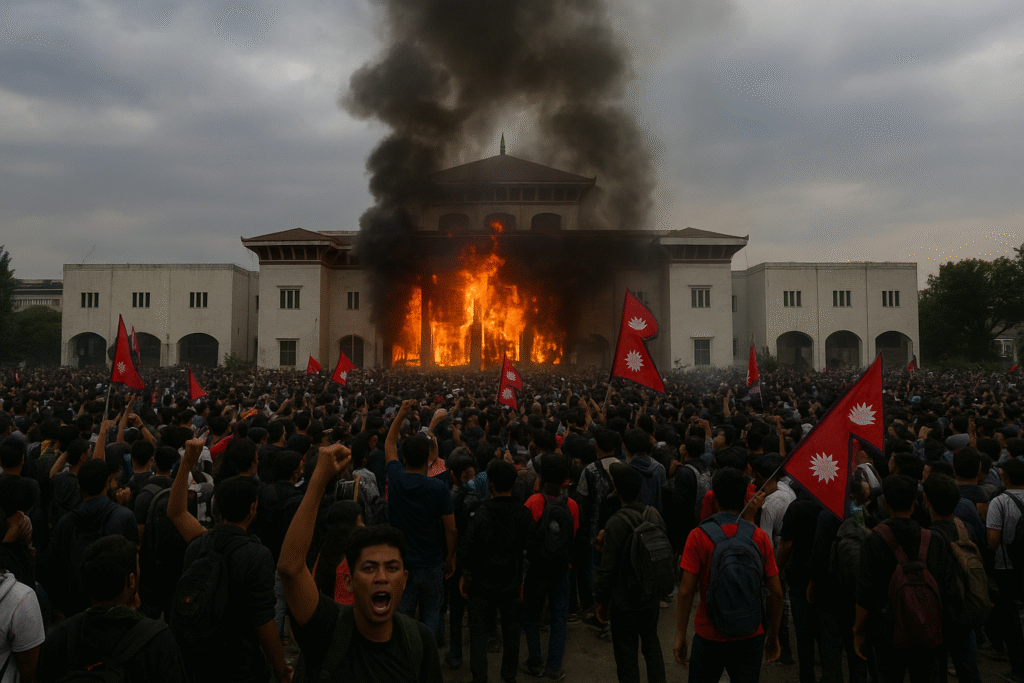
In early September 2025, Nepal was thrust into chaos as nationwide protests led by Gen-Z spiraled into deadly violence. At least 19 people were killed and more than 100 injured after security forces clashed with demonstrators in Kathmandu and other major cities. The protests, which started as anger over a sudden ban on social media platforms, quickly morphed into a much larger uprising against corruption, inequality, and government overreach (Reuters).
Parliament in Flames: A Symbol of Distrust
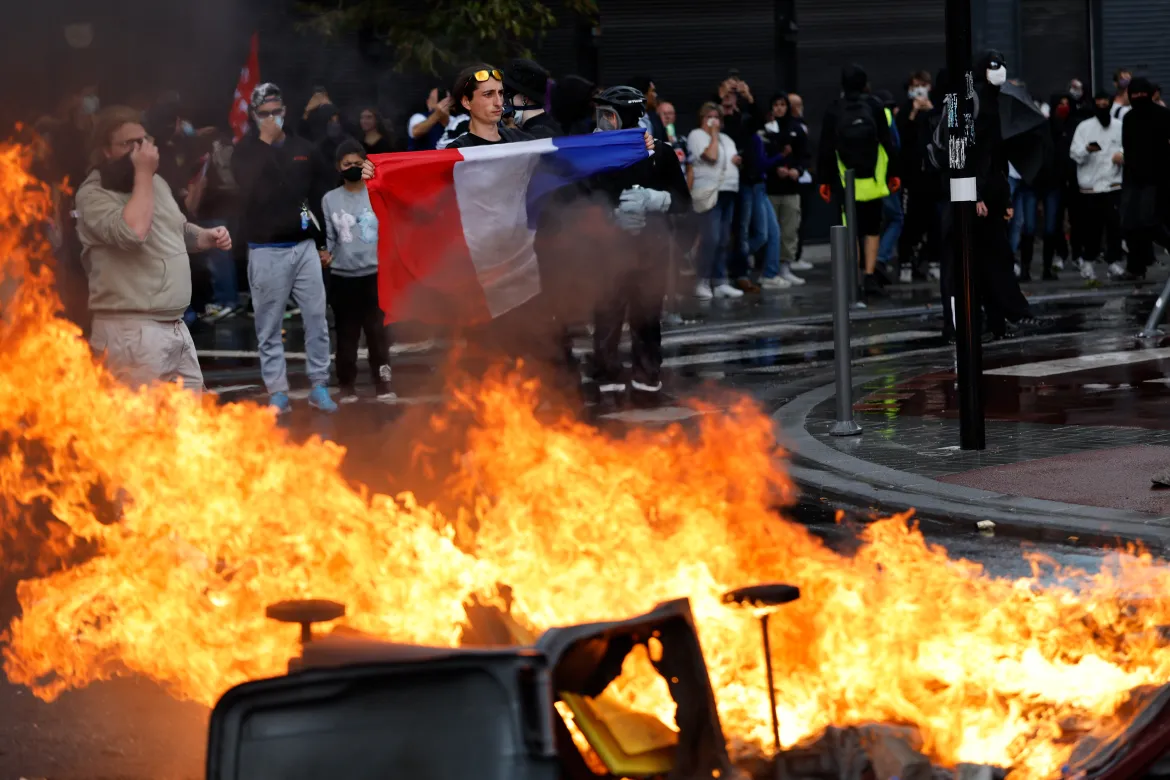
The protests reached their peak when a mob of young demonstrators set fire to parts of Nepal’s Parliament building in Kathmandu. Witnesses described the scene as chaotic — flames rising against the night sky, with smoke billowing from shattered windows. Protesters waved flags and chanted anti-government slogans, calling for the resignation of top leaders they accuse of corruption and authoritarianism (The Hindu).
The Parliament fire became more than just an act of vandalism. For many Nepalis, it symbolized the collapse of trust between the youth and the state. Videos of the burning chamber spread rapidly (despite the ongoing ban), galvanizing further anger across the country.
From Digital Rights to Corruption Uprising
At first, the demonstrations were sparked by the government’s ban on Facebook, Instagram, WhatsApp, and YouTube. Officials argued the platforms were fueling unrest and spreading misinformation, but for young Nepalis — who live, work, and study online — the ban was seen as an attack on their freedom (Al Jazeera).
Within days, however, the protests transformed into something far larger. Students, gig workers, and unemployed graduates joined in, accusing politicians of enriching themselves while ordinary citizens struggle with inflation, joblessness, and crumbling infrastructure.
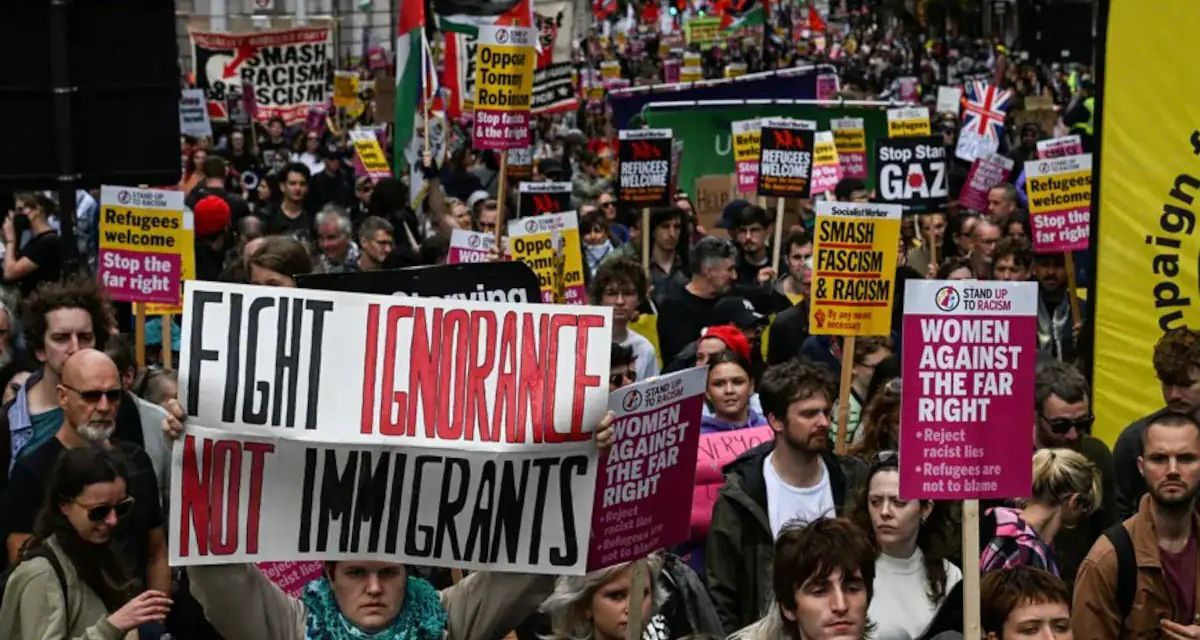
Placards at the rallies read:
- “We want jobs, not corruption.”
- “Stop stealing our future.”
- “No ban can silence us.”
It was no longer about the internet. It was about distrust in a political system plagued by corruption scandals.
Deadly Crackdown: 19 Killed, Over 100 Injured
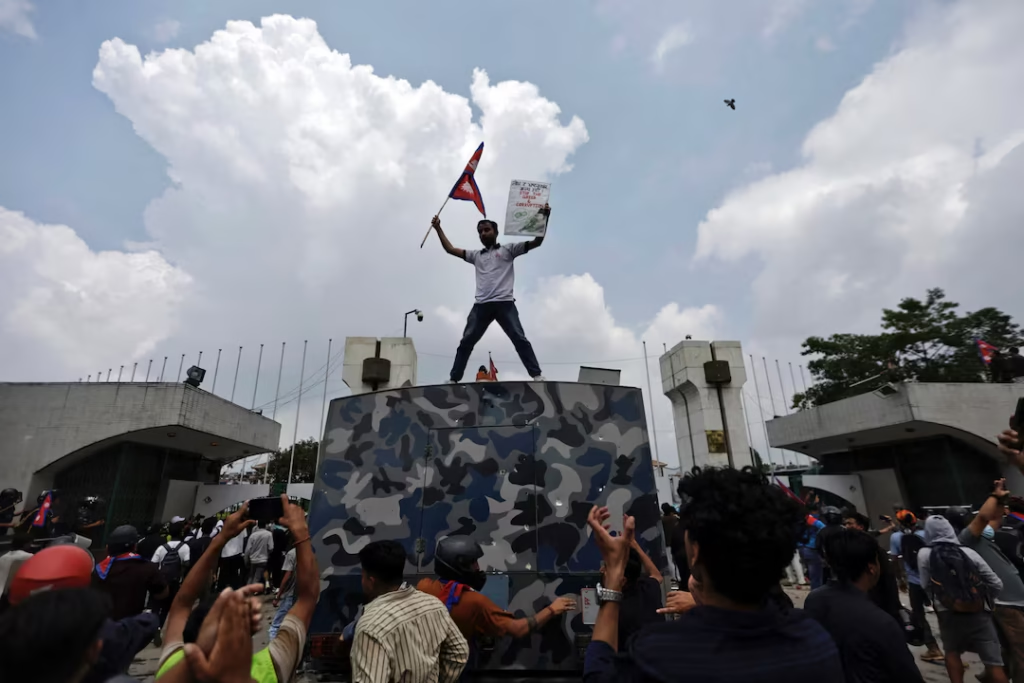
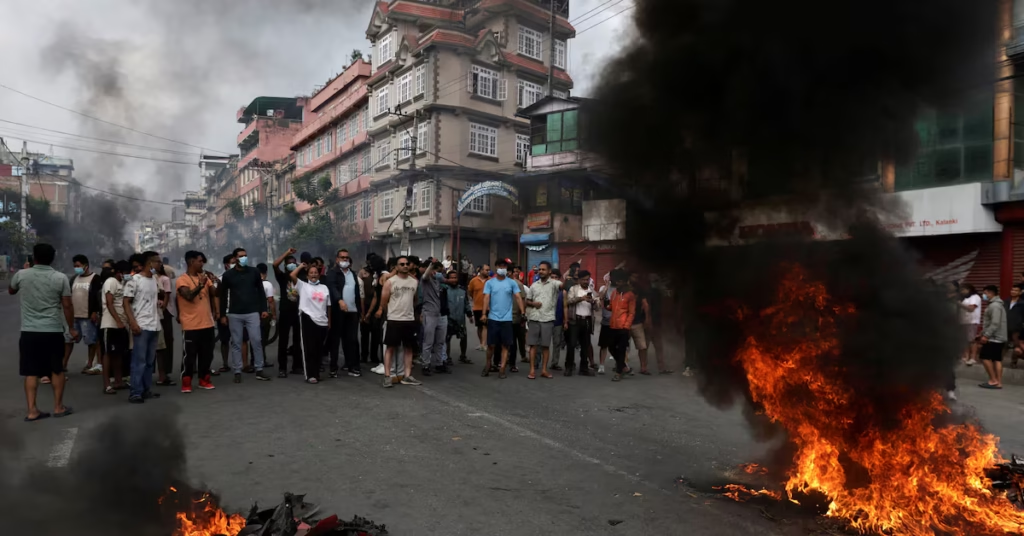
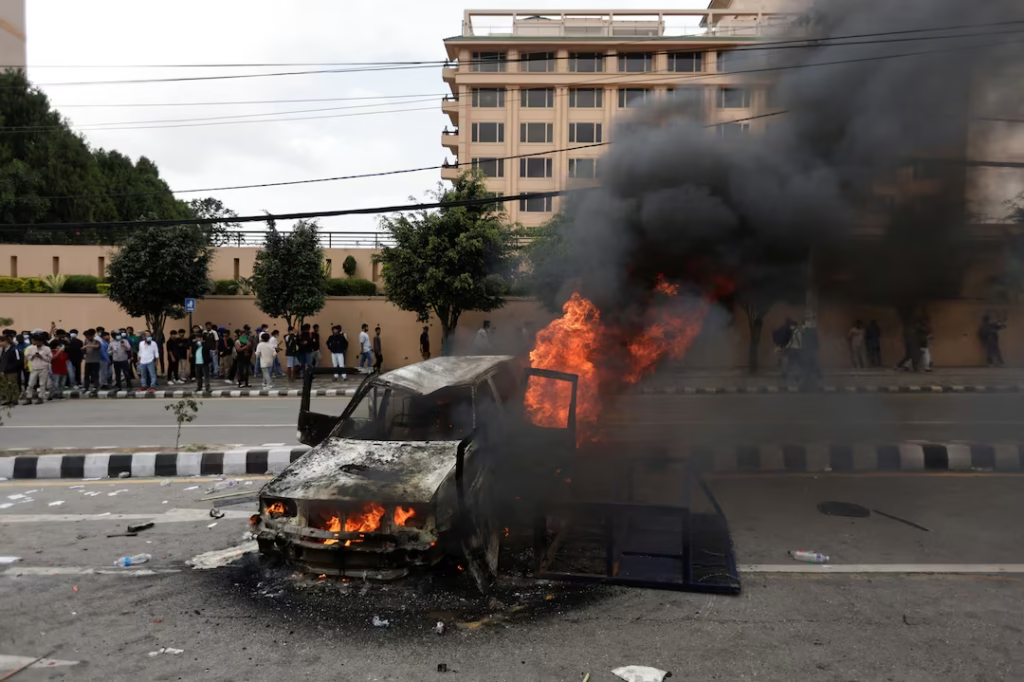
The state’s response was swift and harsh. Police fired tear gas, rubber bullets, and eventually live ammunition to disperse crowds around Kathmandu’s Ring Road and outside Parliament. Hospitals reported at least 19 dead and more than 100 wounded, including students and journalists (Kathmandu Post).
Rights groups condemned the violence, calling it one of the deadliest political crackdowns in Nepal since the civil war. Amnesty International urged the government to restrain security forces and open an independent investigation (Amnesty International).
Meanwhile, the government declared a curfew across the Kathmandu Valley, shut down schools, and deployed the army to restore order.
Gen-Z: The Face of a New Resistance
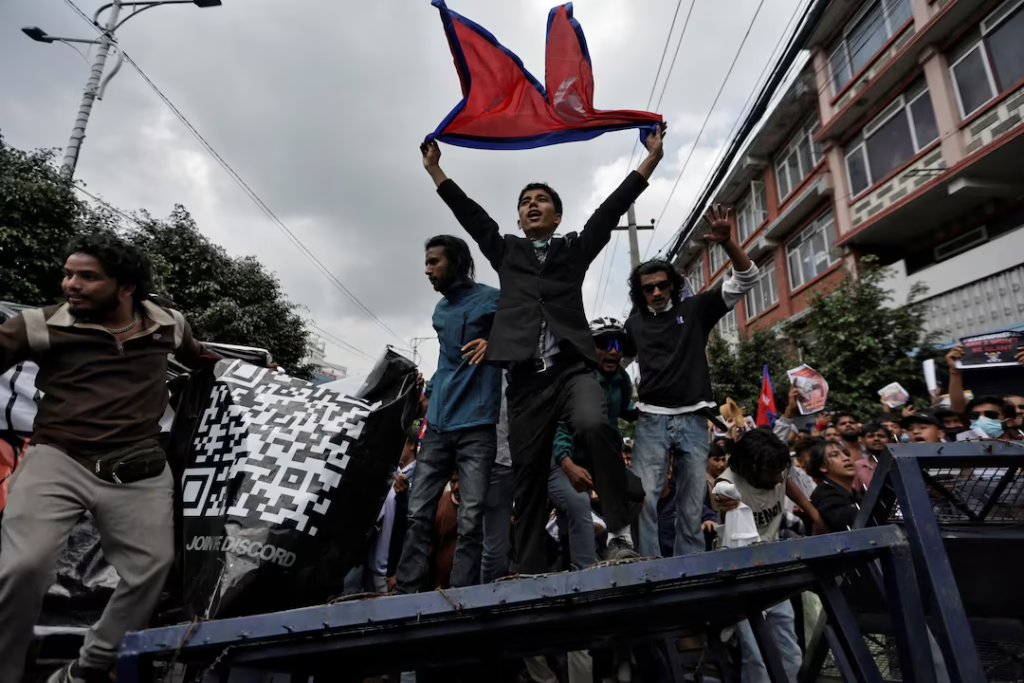
This uprising is unique because of its youth-led nature. Nearly 40% of Nepal’s population is under 25, and Gen-Z feels excluded from the nation’s political and economic life (World Bank).
For them, corruption is not an abstract issue it’s lived reality. Graduates complain of needing bribes for government jobs. Entrepreneurs face bureaucratic hurdles unless they pay off officials. Even basic services like healthcare and education are mired in mismanagement.
This is why Gen-Z sees itself as fighting not just for internet freedom, but for a new Nepal free of corruption and political decay.
International Reactions: Alarm Bells Ring
The violence in Nepal has caught the world’s attention:
- India expressed “deep concern” over the deaths and called for calm, mindful of its long border and close economic ties (Times of India).
- The United States criticized the internet ban, saying democracy “cannot thrive without free expression” (U.S. State Department).
- China, which has invested heavily in Nepal’s infrastructure, urged “stability and dialogue” while quietly supporting the government (Global Times).
- The European Union warned against excessive force, hinting at possible sanctions if rights violations continue (Euronews).
One European minister even canceled a planned visit to Washington, accusing the U.S. of turning a blind eye to democratic backsliding in its allies.
Why This Protest Matters Globally
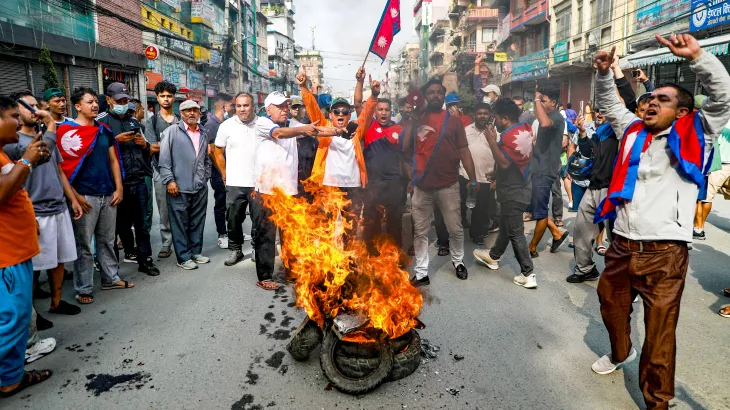
The Nepal uprising is not just a domestic issue. It highlights two global trends:
- The Rise of Digital-Native Protests
Just like the Arab Spring or Hong Kong’s Umbrella Movement, Nepal’s protests show how Gen-Z mobilizes quickly when online freedoms are threatened. Attempts to silence them often backfire, creating bigger movements (BBC). - Fragile Democracies Under Strain
Nepal’s young democracy, still recovering from civil war and monarchy, now faces its toughest legitimacy crisis. If the government can’t regain trust, the unrest could destabilize South Asia’s fragile balance (Brookings).
Government on the Back Foot
Under mounting pressure, the Prime Minister announced a 15-day independent inquiry into the crackdown. Families of victims are to receive compensation, and the social media ban has been partially lifted (Nepali Times).
Yet protesters say it’s not enough. They demand:
- Full repeal of censorship laws
- Resignation of corrupt ministers
- Youth quotas in Parliament
- Transparent reforms in jobs and education
Unless these demands are addressed, observers fear the unrest could continue — or even escalate into a long-term movement.
Final Thoughts: A Generation’s Warning
The burning of Nepal’s Parliament, the deaths of 19 citizens, and the anger of thousands of young people mark a turning point in the nation’s political story.
For Gen-Z, this is more than a protest. It is a fight for dignity, opportunity, and a corruption-free future. And for the world, it is yet another reminder that when leaders fail to listen to their youth, the streets will eventually speak for them.

Abhi Platia is a financial analyst and geopolitical columnist who writes on global trade, central banks, and energy markets. At GeoEconomic Times, he focuses on making complex economic and geopolitical shifts clear and relevant for readers, with insights connecting global events to India, Asia, and emerging markets.