


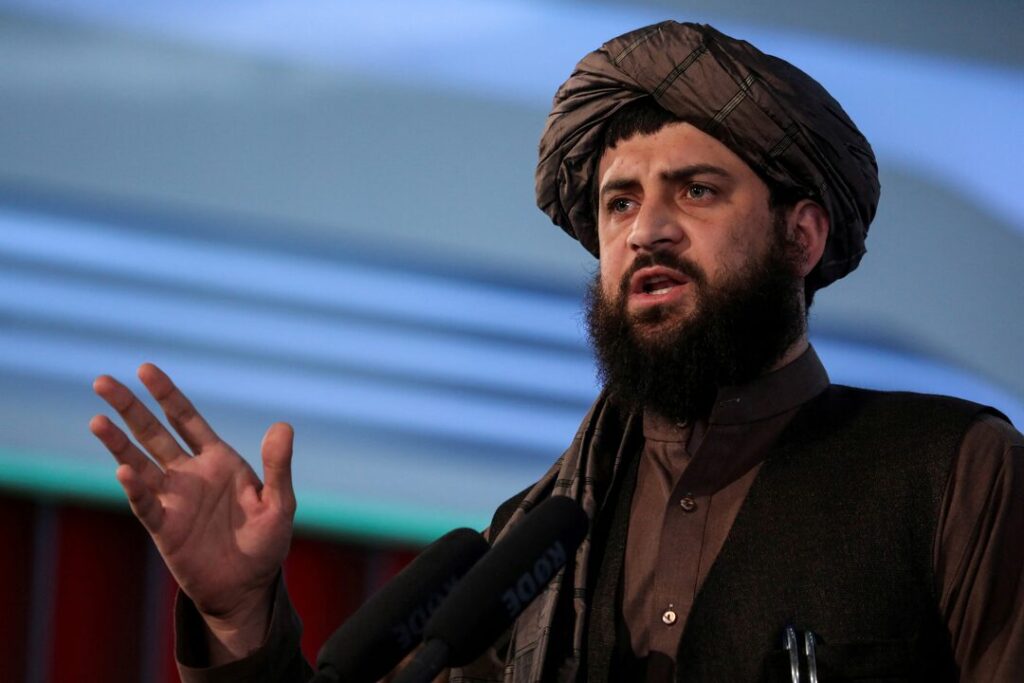
The recent Afghanistan warning to Trump has shaken Washington and regional capitals alike. At the heart of this warning lies Kabul’s deep anxiety about the possibility of renewed U.S. military involvement in the war-torn country. While former President Donald Trump has openly floated the idea of regaining the Bagram Airbase, Afghan officials are cautioning that such moves could destabilize not only Afghanistan but also the wider South and Central Asian region. According to Al Jazeera, Afghan leaders have expressed “serious reservations” about Trump’s rhetoric, calling it both provocative and potentially destabilizing.
Historical Context: Afghanistan’s Long Struggle with U.S. Policy
Any Afghanistan warning to Trump cannot be understood without looking back at two decades of war. The U.S. first entered Afghanistan after 9/11, launching the “War on Terror.” Despite massive investments over $2 trillion, according to BBC the war ended with a chaotic withdrawal in 2021. The fall of Kabul, scenes of desperate evacuations, and the Taliban’s swift return left deep scars on Afghan society.

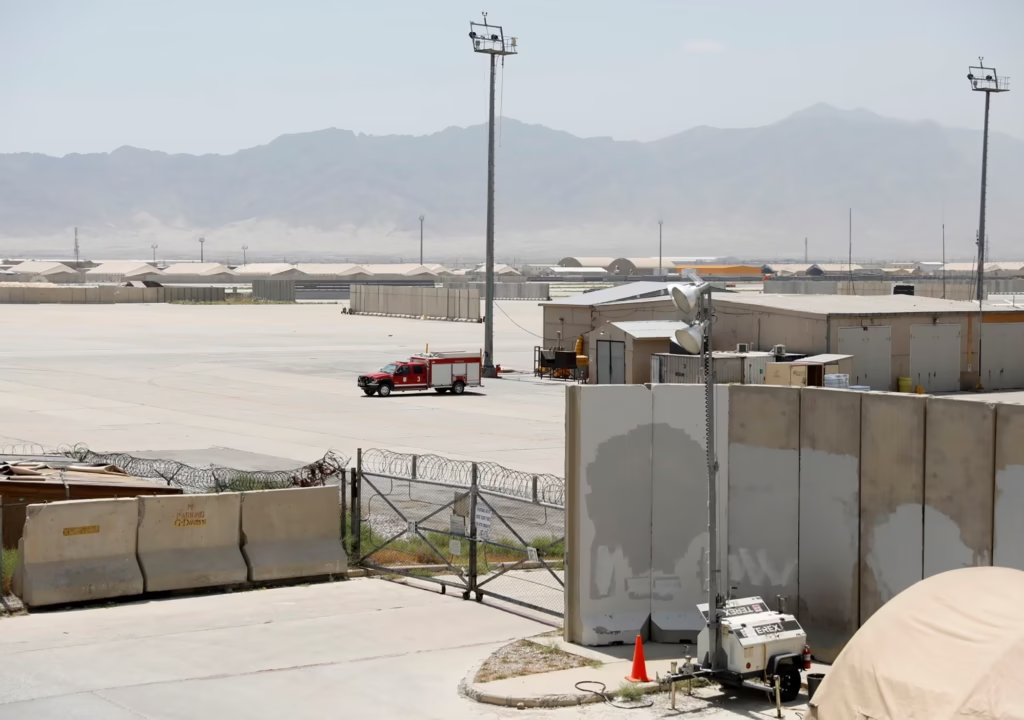
For Afghanistan, Trump’s return to the narrative feels like reopening old wounds. Afghan politicians argue that Washington’s shifting strategies ranging from “nation-building” to “America First” withdrawals have left the country vulnerable to extremist groups and economic collapse.
The Core of the Warning: Risks of Trump’s Bagram Airbase Idea
In its starkest terms, the Afghanistan warning to Trump highlights three dangers:
- Destabilization of Taliban Rule: Trump’s push to take back Bagram could trigger direct confrontation with the Taliban, risking another prolonged insurgency.
- Regional Fallout: Neighboring countries like Pakistan, Iran, and China may perceive renewed U.S. military presence as a threat to their strategic interests.
- Afghan Sovereignty: Kabul fears losing what little control it has left over internal security and foreign policy.
As Reuters reported, Afghan officials stressed that any unilateral move by Trump could “ignite new rounds of violence” across provinces already struggling with insurgent attacks.
Regional Reactions to Afghanistan Warning to Trump
Pakistan: Between Opportunity and Threat
Pakistan has historically been central to Afghan politics. Islamabad’s security establishment sees Bagram’s potential revival as both a threat and a bargaining chip. Pakistani analysts told Dawn News that renewed U.S. presence could drag the country back into the “frontline state” role it desperately wants to escape.

Iran: A Red Line
Iran has made clear that any new U.S. military base on Afghan soil would be a direct provocation. Tehran’s leaders, already hostile to Washington, may increase support for anti-U.S. factions inside Afghanistan if Trump’s idea materializes.
China and Russia: Strategic Alarm
For Beijing and Moscow, an Afghanistan warning to Trump signals a possible U.S. attempt to encircle their regional ambitions. Analysts cited by The Guardian argue that China, through its Belt and Road investments, and Russia, through its Central Asian partnerships, will not tolerate a new American stronghold at Bagram.
Afghanistan’s Internal Concerns: Security and Public Sentiment
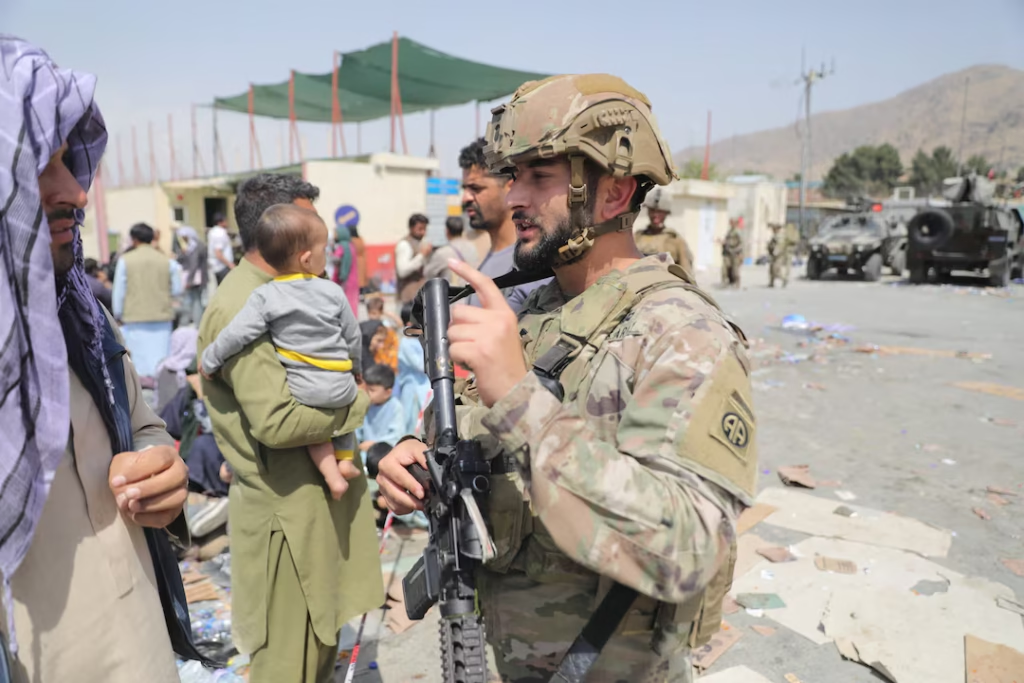
Ordinary Afghans are torn. While some believe U.S. military presence could prevent Taliban excesses, others fear it would lead to renewed bombings and civilian casualties. Human rights organizations like Human Rights Watch warn that another intervention could worsen humanitarian conditions, especially for women and minorities.
Expert Commentary: Why the Warning Matters Now
Security experts argue that the Afghanistan warning to Trump should be seen in the context of global power shifts. Trump’s bold statements are not just about Afghanistan they are part of his broader effort to project American strength amid U.S. competition with China and Russia.
- Military Analysts: Former Pentagon officials suggest that retaking Bagram would require “tens of thousands of troops” and billions in funding, making it logistically near-impossible.
- Political Scientists: Afghan warnings reflect fear of being turned once again into a “chessboard” for great-power rivalry.
- Economists: The World Bank reports Afghanistan’s GDP has shrunk by over 20% since 2021, meaning even minor instability could push millions more into poverty.
Afghanistan Warning to Trump in Media Narratives
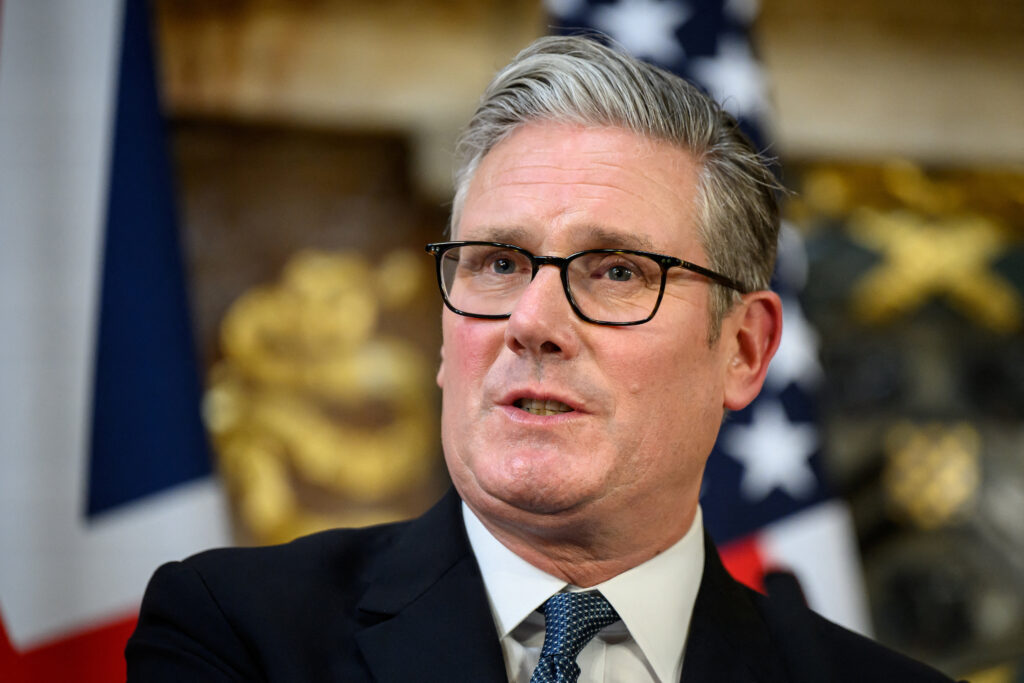
International media has covered the warning with varied tones. CNN portrays Trump’s rhetoric as “impractical yet provocative,” while Fox News highlights his claims of restoring U.S. global power. Afghan outlets, however, stress sovereignty and humanitarian risks. This clash of narratives underscores why Afghanistan felt compelled to issue a direct caution.
What This Means for U.S.-Afghan Relations
The Afghanistan warning to Trump is not just a diplomatic note it is a statement of mistrust. Kabul no longer sees Washington as a predictable partner. Analysts argue that Afghanistan may deepen ties with Iran, China, or even Russia to counterbalance Trump’s aggressive posturing.
Unique Perspective: Could Afghanistan Use This as Leverage?
While the warning sounds defensive, Afghanistan might also be leveraging it. By making Trump’s plans a global debate, Kabul ensures that its voice is heard. In a world where Afghanistan is often sidelined, this could be a rare moment of agency.
Conclusion: A High-Stakes Gamble
The Afghanistan warning to Trump reflects the country’s deep fears and fragile hopes. If Trump pursues his Bagram idea, it could reshape not only Afghanistan’s future but also global geopolitics. The question remains: will Washington heed Kabul’s warning or will Afghanistan once again become the battlefield of great powers?


Abhi Platia is a financial analyst and geopolitical columnist who writes on global trade, central banks, and energy markets. At GeoEconomic Times, he focuses on making complex economic and geopolitical shifts clear and relevant for readers, with insights connecting global events to India, Asia, and emerging markets.