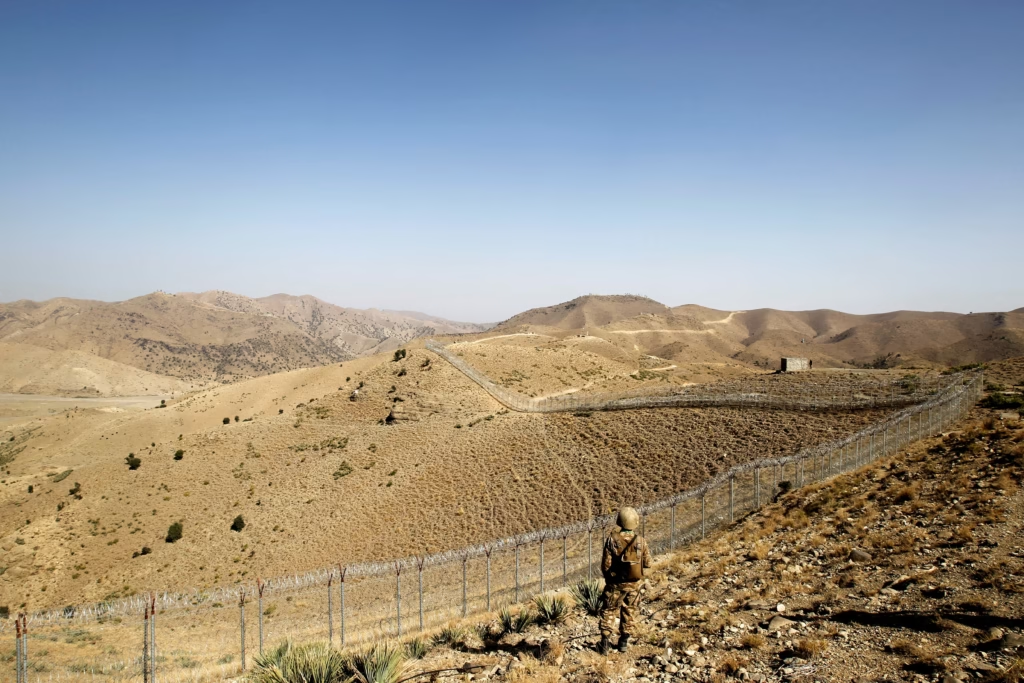
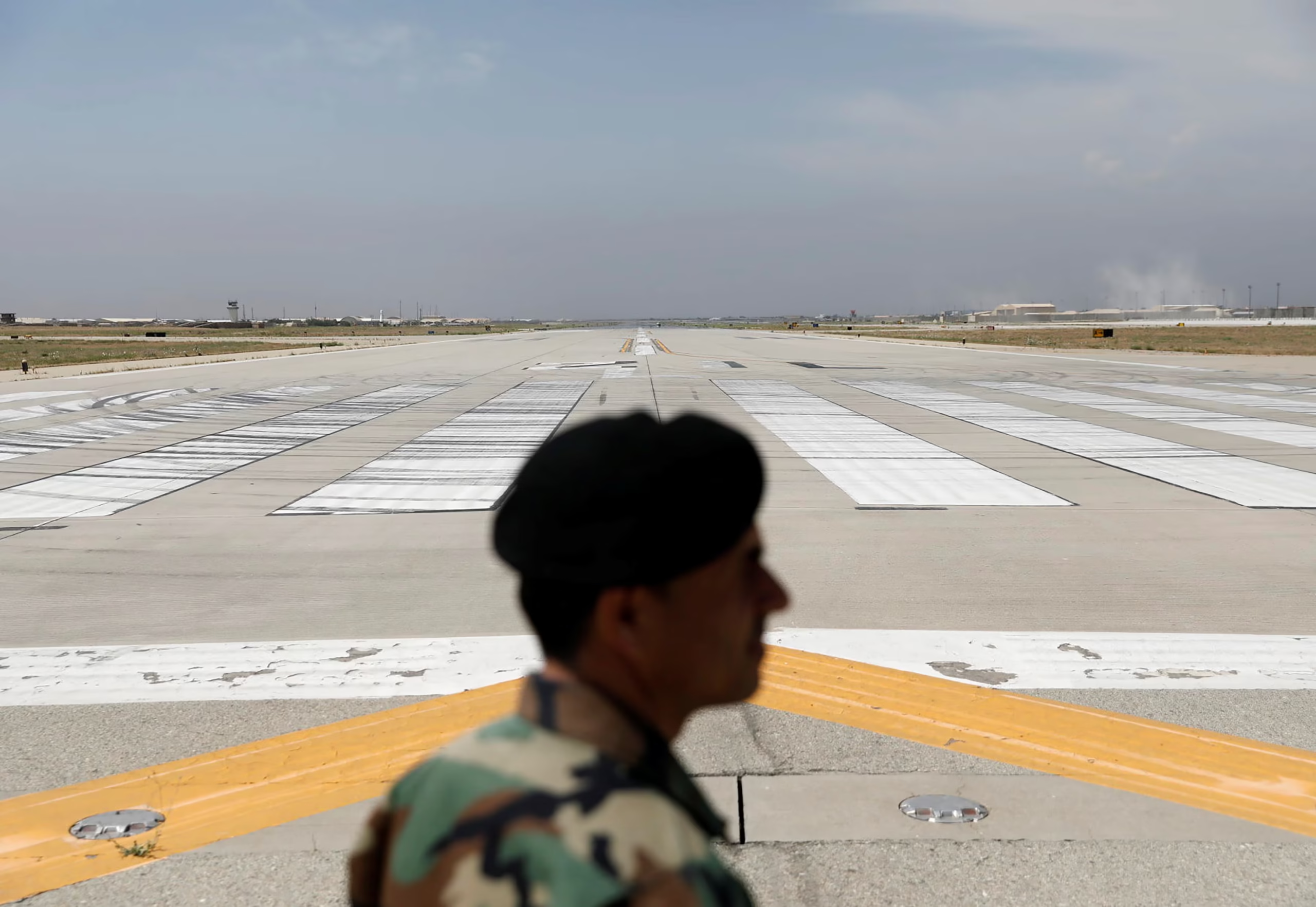
A thunderous explosion echoed across Pakistan’s western frontier early this morning, reportedly from afghanistan military strikes targeting Pakistani positions near the Khost–North Waziristan border. In a region already burdened by decades of mistrust, this sudden escalation has sent shockwaves across the Middle East, particularly alarming Saudi Arabia, China, and India all heavily invested in South Asia’s fragile stability.
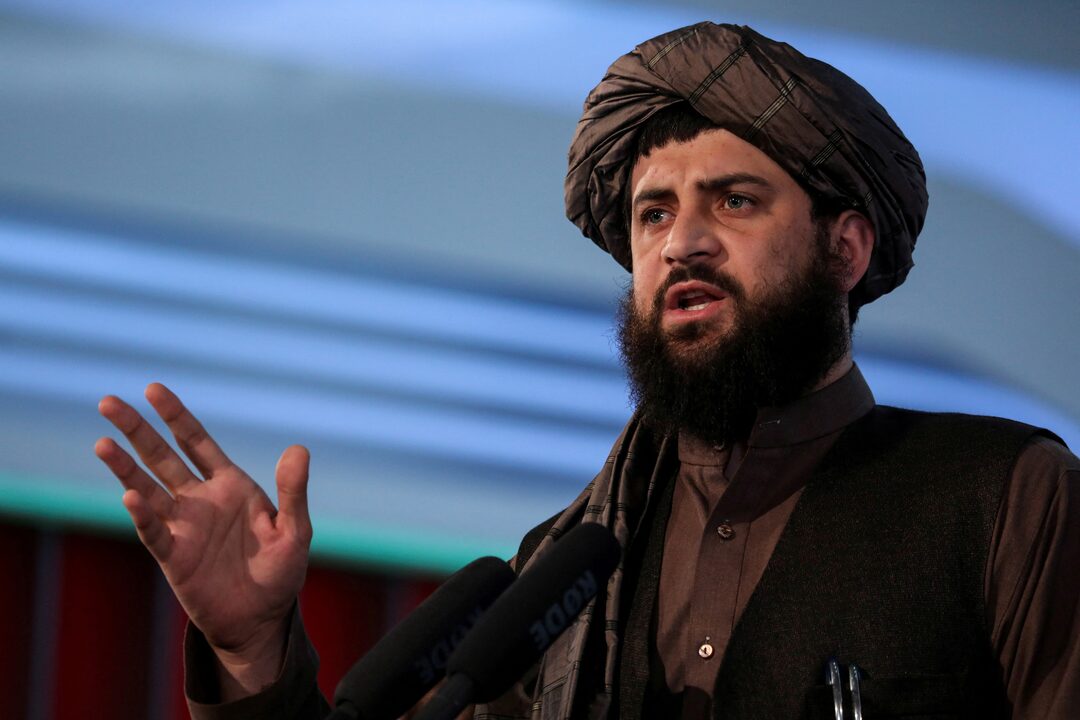
Initial reports suggest that Afghan artillery units responded to alleged cross-border shelling by Pakistan earlier this week. Islamabad has condemned the attack as a “gross violation of sovereignty,” while Kabul’s Taliban-led government insists it acted in “self-defense.”
This marks one of the most direct confrontations between the two neighbors since the Taliban’s return to power in 2021 a confrontation that could reshape regional alliances and potentially spark another proxy war in Asia’s most volatile corridor.
For decades, Pakistan played the role of Afghanistan’s so-called “strategic depth.” It sheltered Taliban leaders during the U.S.-led war and celebrated their victory in 2021 as a strategic triumph. Yet, that honeymoon was short-lived.
Once back in power, the Taliban refused to follow Islamabad’s cues, especially regarding the Tehrik-i-Taliban Pakistan (TTP) a militant group that shares ideology and ethnic ties with Afghanistan’s rulers but routinely attacks Pakistan.
Since 2022, Islamabad has repeatedly accused Kabul of harboring TTP fighters. In April 2024, Pakistan even carried out limited airstrikes inside Afghanistan, claiming it was targeting terrorist hideouts. Kabul vowed revenge and now, it seems that revenge has come.
The South Asia Terrorism Portal recorded over 380 cross-border incidents since 2021. The latest one, however, signals a dangerous shift: from proxy tension to open military hostility.
Why the Middle East Is Nervous: Saudi Arabia’s Strategic Panic
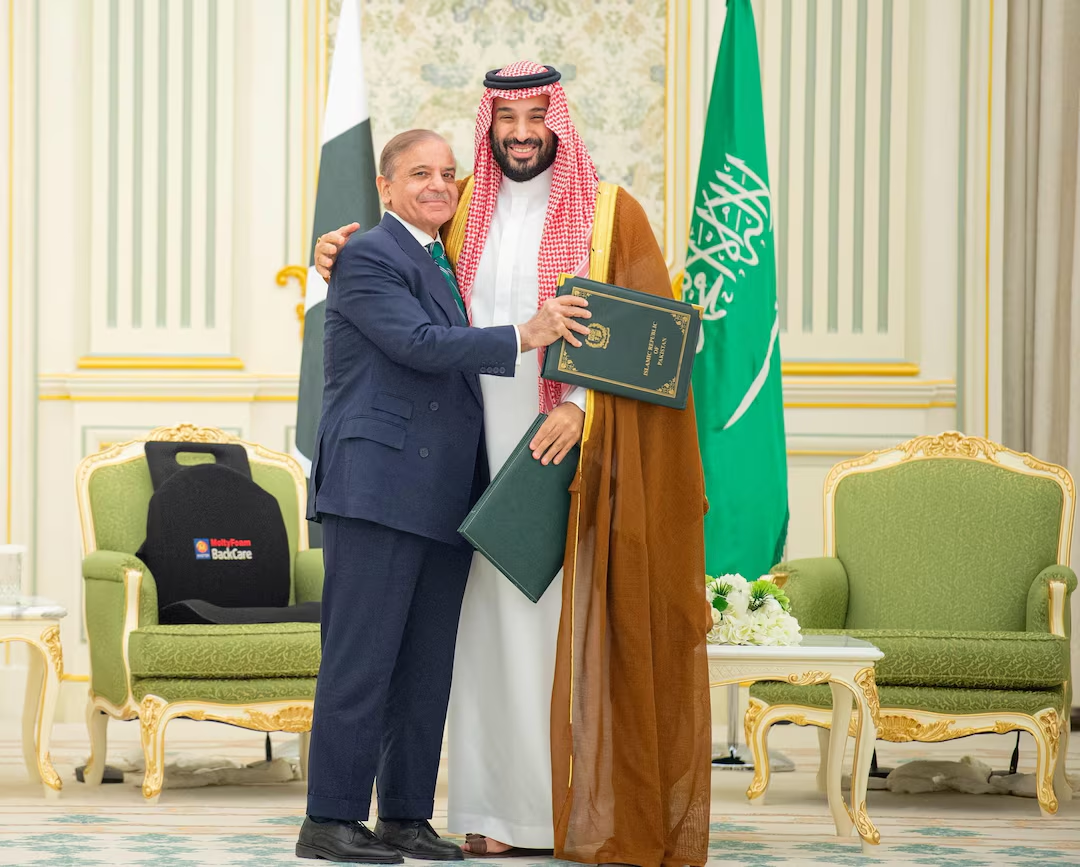
The shockwaves of the Afghanistan–Pakistan clash extend far beyond South Asia. In Riyadh, policymakers are reportedly alarmed by the implications of another war involving two major Muslim nations.
Saudi Arabia’s fear stems from three key factors:
Economic risk: Pakistan’s instability threatens the security of Saudi oil shipments through the Arabian Sea. A disrupted supply chain could affect crude exports and raise insurance costs for vessels operating near Karachi.
Religious disruption: Each year, millions of Afghan and Pakistani pilgrims travel to Saudi Arabia for Hajj and Umrah. Prolonged conflict could suspend travel, causing logistical and spiritual crises across the Muslim world.
Power balance: Riyadh has sought to mediate between Kabul and Islamabad since 2022, fearing that a collapse of either regime could empower Iran, its regional rival.
A Saudi analyst quoted in Asharq Al-Awsat commented:
“The last thing the Kingdom wants is another Muslim-on-Muslim conflict. It weakens the collective Islamic front and emboldens Tehran’s narrative of Western-backed instability.”
India Watches Cautiously but Gains Strategically
India, long wary of Pakistan’s military establishment, is watching this new tension with cautious optimism. New Delhi has no formal relations with the Taliban, but Afghan instability diverts Pakistan’s military focus away from the Indian border.
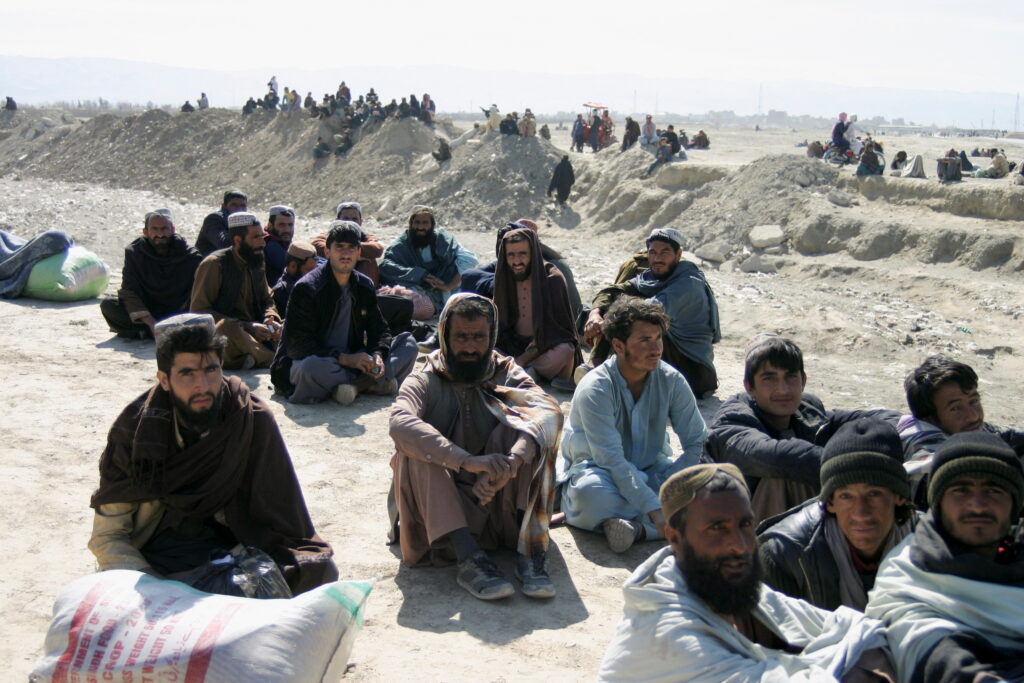
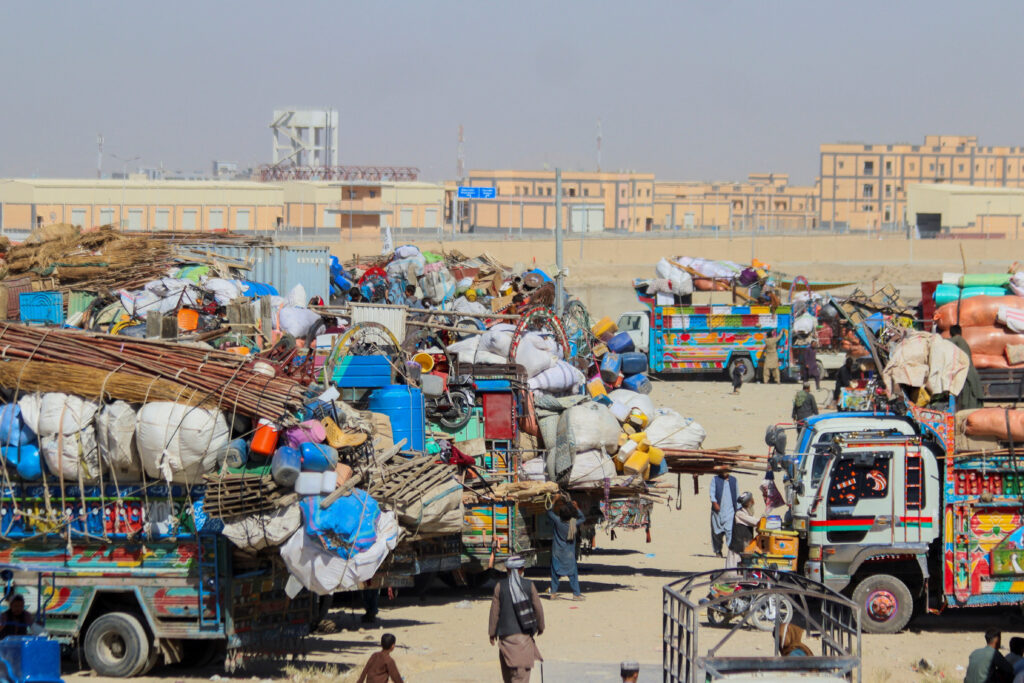
Strategically, that’s a quiet win for India. Yet, the humanitarian fallout worries Indian officials. Thousands of Afghan refugees have already fled toward Pakistan, and aid agencies fear a new refugee crisis that could spill into Central and South Asia.
An Indian defense expert from the Observer Research Foundation (ORF) said:
“New Delhi must tread carefully. Pakistan’s instability may be strategically convenient, but a full-scale collapse in Kabul would destabilize the entire neighborhood, including Kashmir and Iran’s eastern border.”
China’s Dilemma: Protecting CPEC Amid Chaos
No nation feels more directly threatened by an Afghan–Pakistani war than China.
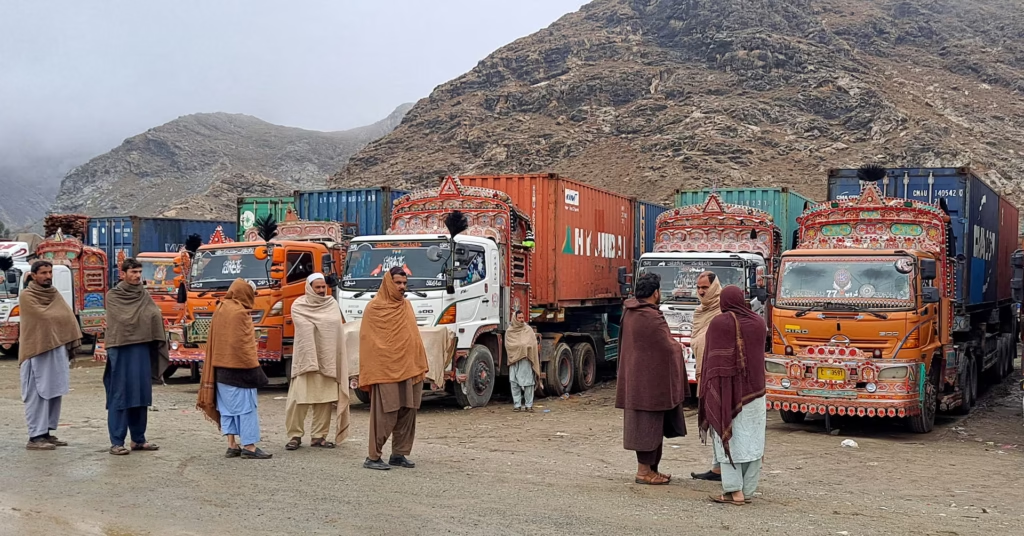
Beijing’s Belt and Road Initiative (BRI) runs directly through Pakistan via the China–Pakistan Economic Corridor (CPEC) a multibillion-dollar lifeline connecting China’s western regions to the Arabian Sea.
Any escalation threatens this investment and could disrupt Beijing’s growing trade links with Kabul. China has been courting Afghanistan to access its rare earth minerals, but a regional war makes that dream unattainable.
China’s Foreign Ministry issued a carefully worded statement calling for “restraint and dialogue,” but experts believe Beijing will quietly pressure both nations to restore border calm.
According to Jia Wenshan, a geopolitical scholar at Beijing’s Renmin University:
“Stability in Pakistan and Afghanistan is essential for China’s westward trade vision. A new war along the Durand Line would be an economic nightmare for Beijing.”
The U.S. Watches From Afar But Concern Grows
While the U.S. has largely withdrawn from direct engagement in South Asia, Washington remains alert. The Pentagon’s biggest fear is the security of Pakistan’s nuclear arsenal amid internal chaos.
A report by the RAND Corporation warned earlier this year that “a sustained conflict between Afghanistan and Pakistan could increase risks of nuclear insecurity and uncontrolled militant mobilization.”
For the Biden administration, the crisis also complicates efforts to contain China and Russia in Asia, as both may exploit the turmoil to expand their influence.
Timeline of Escalation (2021–2025)
Year
Event
Consequence
2021
Taliban seizes Kabul
Pakistan initially celebrates Taliban’s victory.
2022
TTP violence rises inside Pakistan
Islamabad accuses Kabul of harboring militants.
2023
Border clashes intensify at Torkham and Chaman
Dozens killed in artillery exchanges.
2024
Pakistan conducts airstrikes inside Afghanistan
Kabul warns of retaliation.
2025
Afghanistan launches counter-attack
Full-blown regional panic spreads.
Possible Scenarios Ahead
1. Controlled Escalation
Both sides engage in limited military actions before pressure from China, Saudi Arabia, and the UN pushes them into backchannel talks. Most likely outcome.
2. Regionalization of Conflict
Iran backs Kabul diplomatically; China and Saudi Arabia pressure Pakistan; the U.S. stays neutral but monitors nuclear security. Medium probability, high impact.
3. Breakdown and Radical Expansion
ISIS-K and other extremist groups exploit the chaos, seizing territory in eastern Afghanistan and threatening both capitals. Worst-case scenario.
Expert Commentary: A Crisis of Mutual Miscalculation
Dr. Ayesha Siddiqa, a Pakistani defense analyst, observed:
“This confrontation is the inevitable result of Pakistan’s failed Afghan policy. You can’t nurture militancy and then expect peace when it turns back at you.”
From Kabul, political commentator Abdul Qadir Rahmani countered:
“Pakistan must understand that Afghanistan is no longer its backyard. The days of manipulation through proxies are over.”
These perspectives highlight the deep mistrust and competing national narratives driving both nations toward disaster.
Geopolitical Ripple Effect: The Saudi Connection
The panic in Riyadh goes beyond oil and diplomacy. Saudi Arabia fears that the Afghanistan–Pakistan confrontation could derail its Vision 2030 ambitions, particularly its plan to become a global logistics hub.
In the past, Riyadh has financially supported Pakistan’s defense budgets, but recent reports suggest the Kingdom is reconsidering future aid packages amid concerns of “uncontrolled military adventurism.”
Should the crisis continue, Saudi Arabia may lean on China’s mediation a signal of the Kingdom’s shifting alignment in a multipolar world.
The Human Cost: Civilians Pay the Price
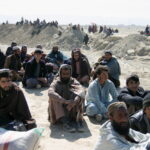
Behind the headlines and diplomatic statements, the humanitarian toll is rising. Villages near Khost, Chaman, and Spin Boldak are being evacuated as fear of new airstrikes spreads.
The UNHCR warns that over 50,000 civilians could be displaced if hostilities persist for another week. Both nations already face economic crises, food shortages, and political instability adding war to the equation could push millions deeper into poverty.
Conclusion: The Fragile Edge of a New Asian Crisis
The Afghanistan–Pakistan conflict is not an isolated episode; it’s a symptom of Asia’s deeper geopolitical fractures. The Taliban’s defiance, Pakistan’s internal disarray, and Saudi Arabia’s growing anxiety all reveal a shifting power balance in a world no longer dominated by a single superpower.
If unchecked, this crisis could reshape South Asia’s alliances, weaken Gulf stability, and empower new extremist networks.
As one South Asian diplomat told Reuters:
“This isn’t just about borders anymore it’s about the future of regional order.”
Abhi Platia is a financial analyst and geopolitical columnist who writes on global trade, central banks, and energy markets. At GeoEconomic Times, he focuses on making complex economic and geopolitical shifts clear and relevant for readers, with insights connecting global events to India, Asia, and emerging markets.