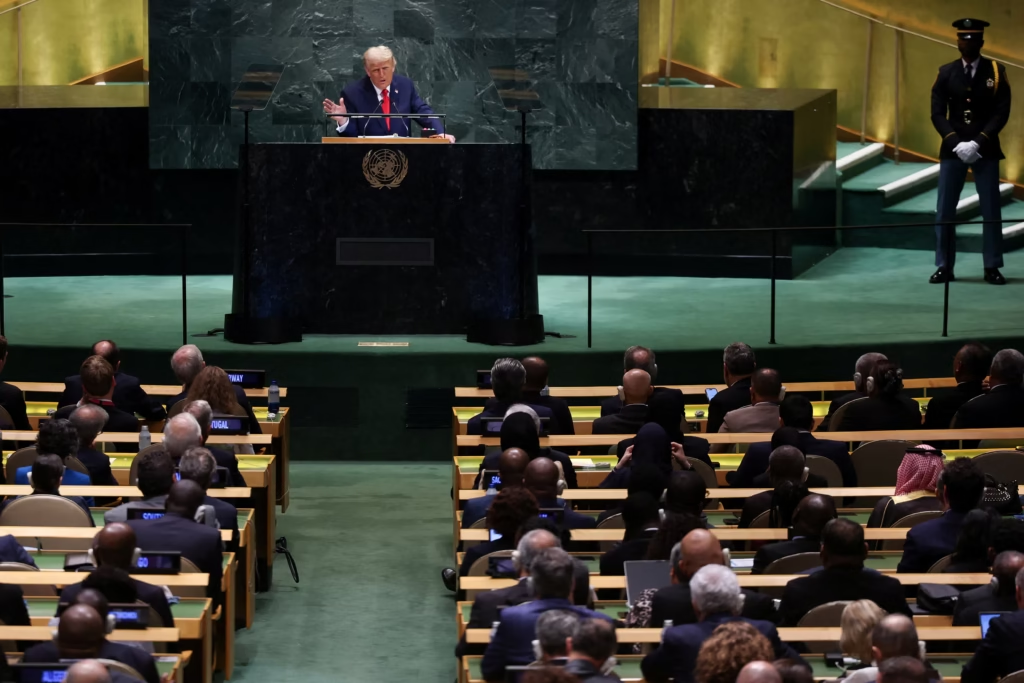
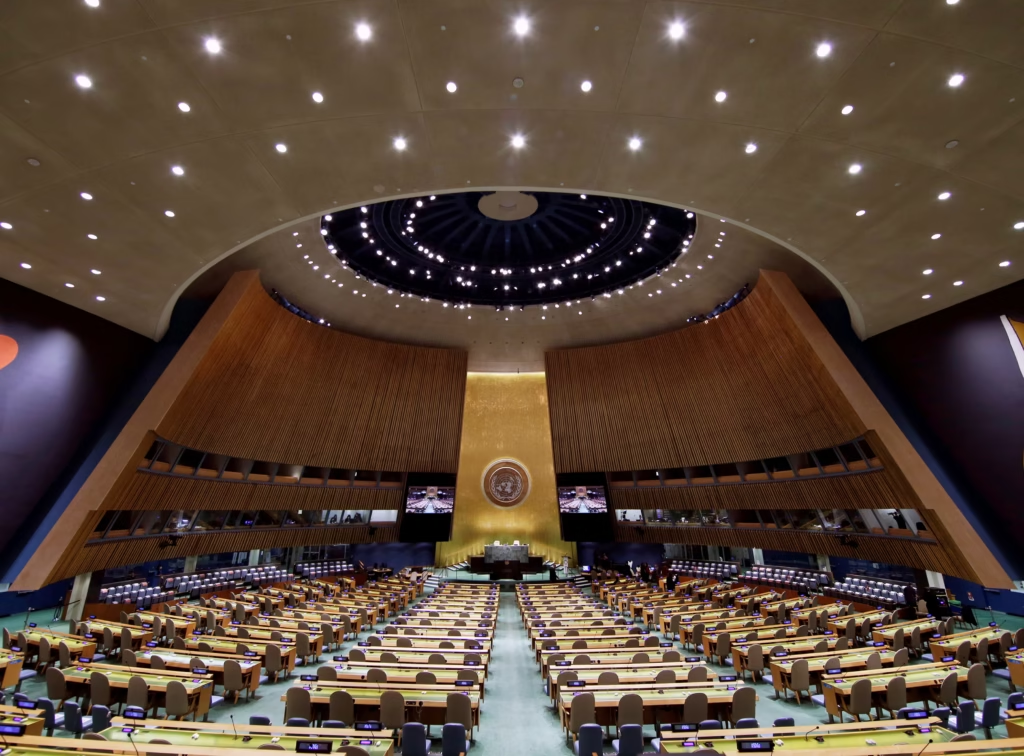
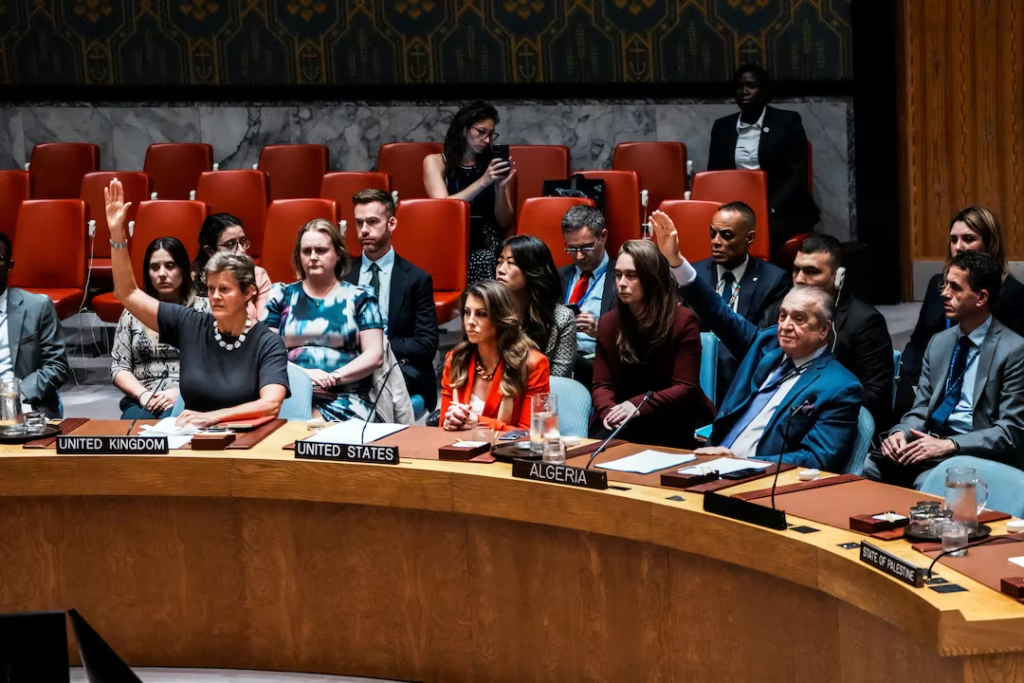
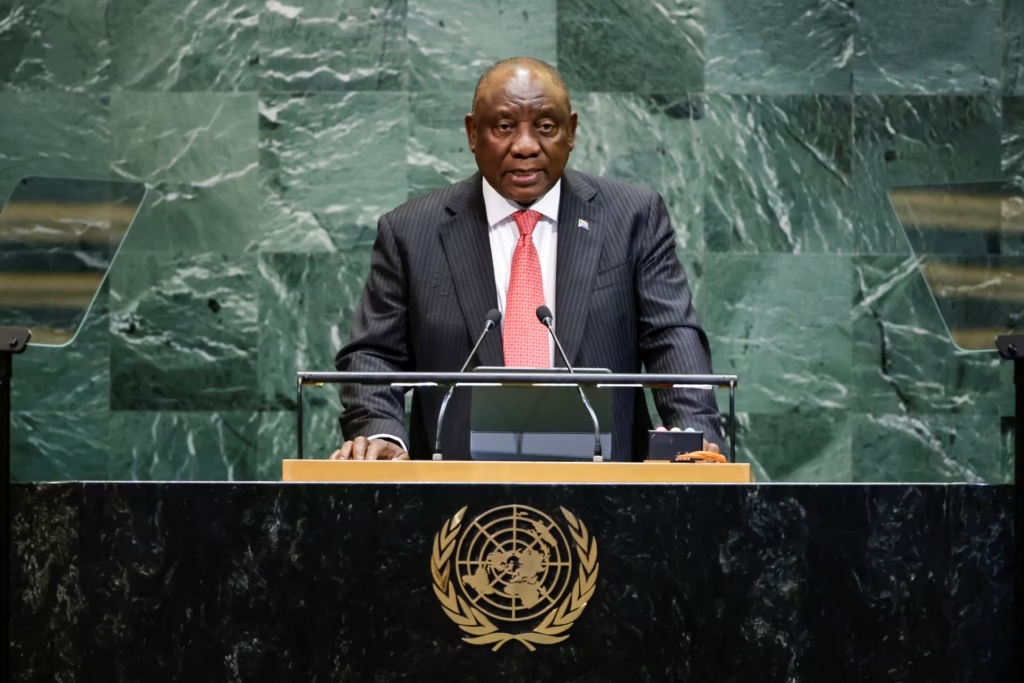
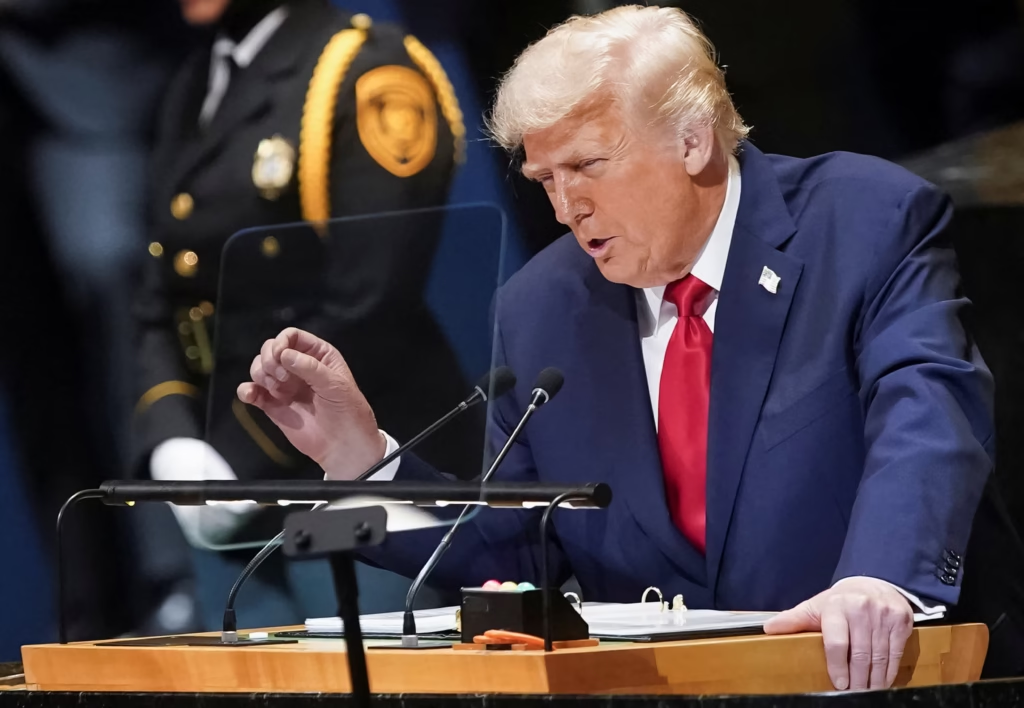
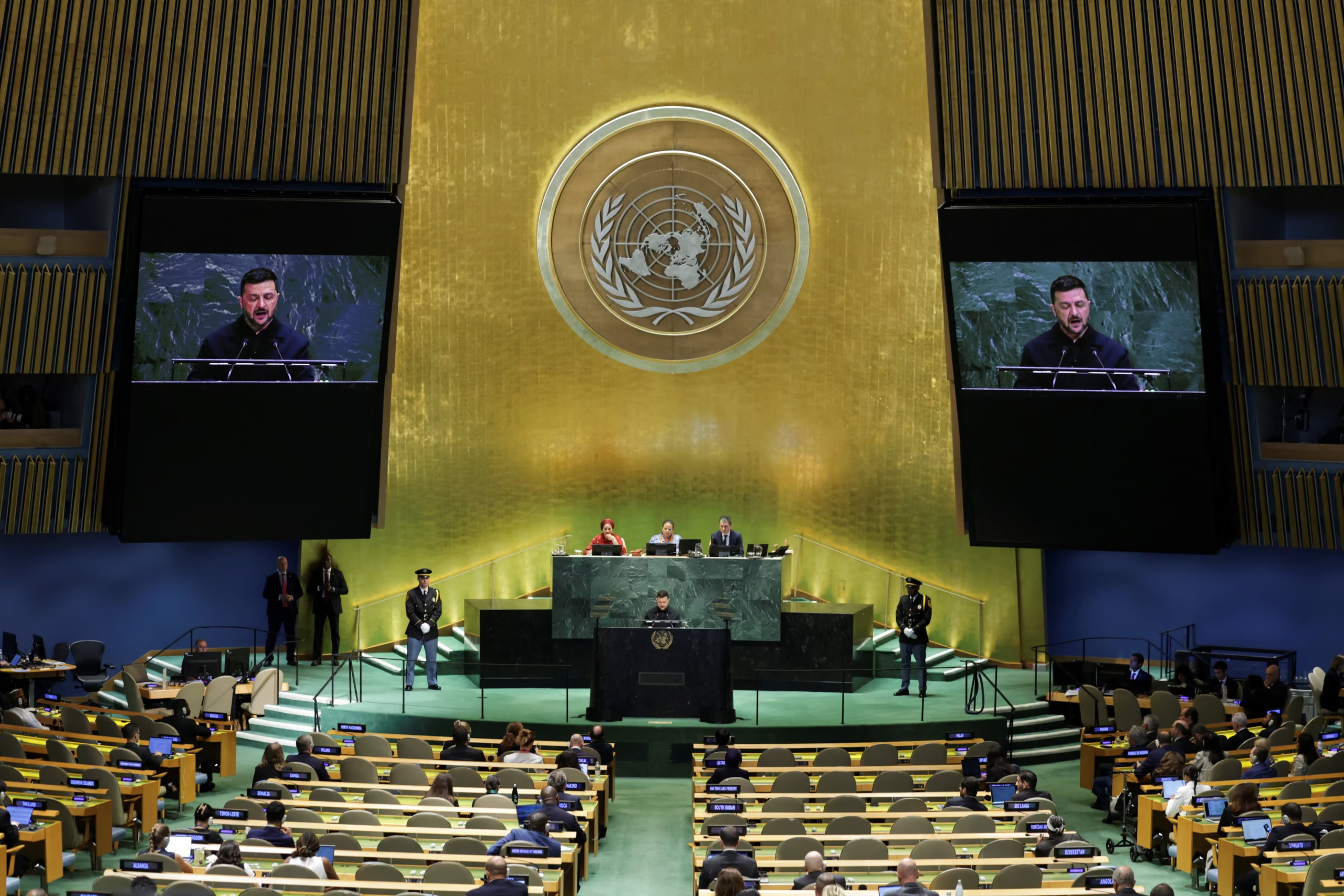
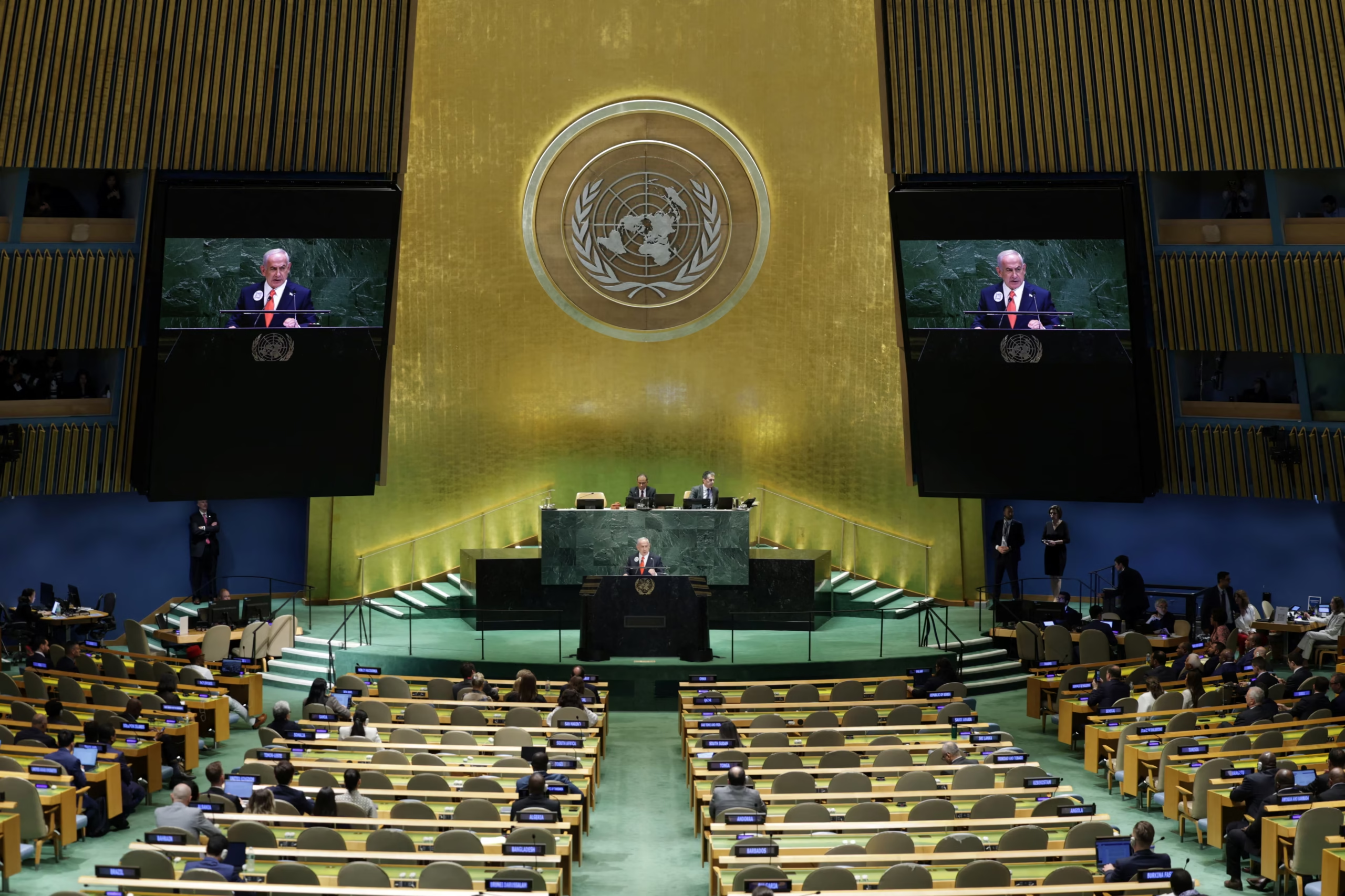
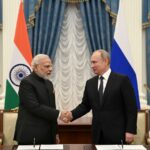
On 23–24 September 2025, the world gathered in New York for the annual UN General Assembly (UNGA). Usually dismissed as diplomatic theater, this year’s session felt different. With wars still raging in Ukraine and Gaza, a worsening climate emergency, and artificial intelligence entering the global threats list for the first time, the event resembled less a ceremonial gathering and more a survival council for the 21st century.
Leaders did not just trade speeches; they clashed, pleaded, and postured in ways that revealed the deep fractures in the global system and the limits of multilateralism.
Every September, presidents and prime ministers file into the marble halls of New York’s headquarters to give speeches. Often, critics dismiss it as political theater. But in 2025, the context was stark:
“If there was ever a time the assembly needed to prove relevance, it is now.”
Diplomatic Theater vs. Real Action
UNGA is famous for fiery speeches, but rarely binding outcomes. This year was no exception.
Zelenskyy accused Moscow of using “hunger and energy as weapons.”
Lavrov countered by framing Russia as a victim of Western imperialism.
US vs Global South: Washington emphasized “defending democracy,” while African and Latin American leaders pointed to unfulfilled promises on vaccines and climate finance.
Applause came mostly from predictable blocs, but frustration simmered. As one African delegate told Al Jazeera: “We hear the same speeches every year. But our villages still flood, our hospitals still lack vaccines.”
The gap between rhetoric and reality was on full display.
Artificial Intelligence Joins the Global Threats List
For the first time, artificial intelligence appeared alongside climate change and nuclear weapons as a global risk. UN Secretary-General António Guterres warned that unchecked AI could “erode trust in democracy, supercharge disinformation, and magnify inequality.”
Several countries pushed for a binding framework, echoing how nuclear proliferation treaties were handled in the Cold War. However, major powers disagreed on rules. The U.S. emphasized voluntary guidelines, while China proposed a global regulatory body a suggestion Western diplomats viewed skeptically.
Still, the fact that AI earned a prominent spot in the discussions signals a shift. As one Guardian columnist noted, “2025 may be remembered as the year digital disruption joined war and climate as a core item of international security.”
Humanitarian Appeals from Gaza and Ukraine
Civil society groups used the sidelines to highlight civilian suffering:
Gaza: Aid groups reported chronic medicine shortages, with hospitals operating at 20% capacity.
Ukraine: Representatives showed images of Mariupol’s ruins, urging sustained aid.
A dramatic moment came when Doctors Without Borders accused states of “choosing politics over people,” after humanitarian corridors stalled.
Indian & Middle Eastern Angle
Gulf states framed Gaza not only as a humanitarian issue but as a regional stability threat, tying it to oil market risks.
India emphasized humanitarian neutrality, pushing for food corridors an echo of its grain diplomacy in Africa.
Climate: Urgency Meets Gridlock
The climate crisis returned as a central theme, with Pacific Island nations warning they may not exist in 50 years. Leaders from Pakistan and Mozambique, countries devastated by floods, pressed for faster progress on the “loss and damage” fund promised at COP27.
But consensus faltered when it came to phasing out fossil fuels. Major producers like Saudi Arabia and Russia resisted binding targets, while industrialized nations hesitated on financing commitments. The result? Lofty pledges but few enforceable actions.
“We are running out of time, but still trapped in the politics of delay.”
When Multilateralism Falters
The assembly’s debates exposed deep fractures in the global system. The Global South, represented by leaders from Africa, Latin America, and Asia, demanded more say in institutions dominated by post–World War II powers. Calls to reform the Security Council resurfaced, with India, Brazil, and South Africa arguing it no longer reflects current demographics or power balances.
While reform has been discussed for decades, this year’s urgency reflected broader disillusionment. Many governments feel the institution has failed to prevent wars or deliver equitable vaccine and climate funding.
Personal Perspectives: Why People Still Watch
Despite frustrations, ordinary citizens still follow the assembly closely. For activists, it’s a rare chance to spotlight issues in front of the world’s cameras. For small states, it’s their only platform to speak as equals with superpowers.
A young climate activist from Tuvalu told the BBC:
“For us, this isn’t theater. It’s survival. Without this stage, no one hears our story.”
This sentiment highlights why, even if outcomes disappoint, the assembly still matters: it gives a microphone to the marginalized.
Economic Ripples of the Assembly
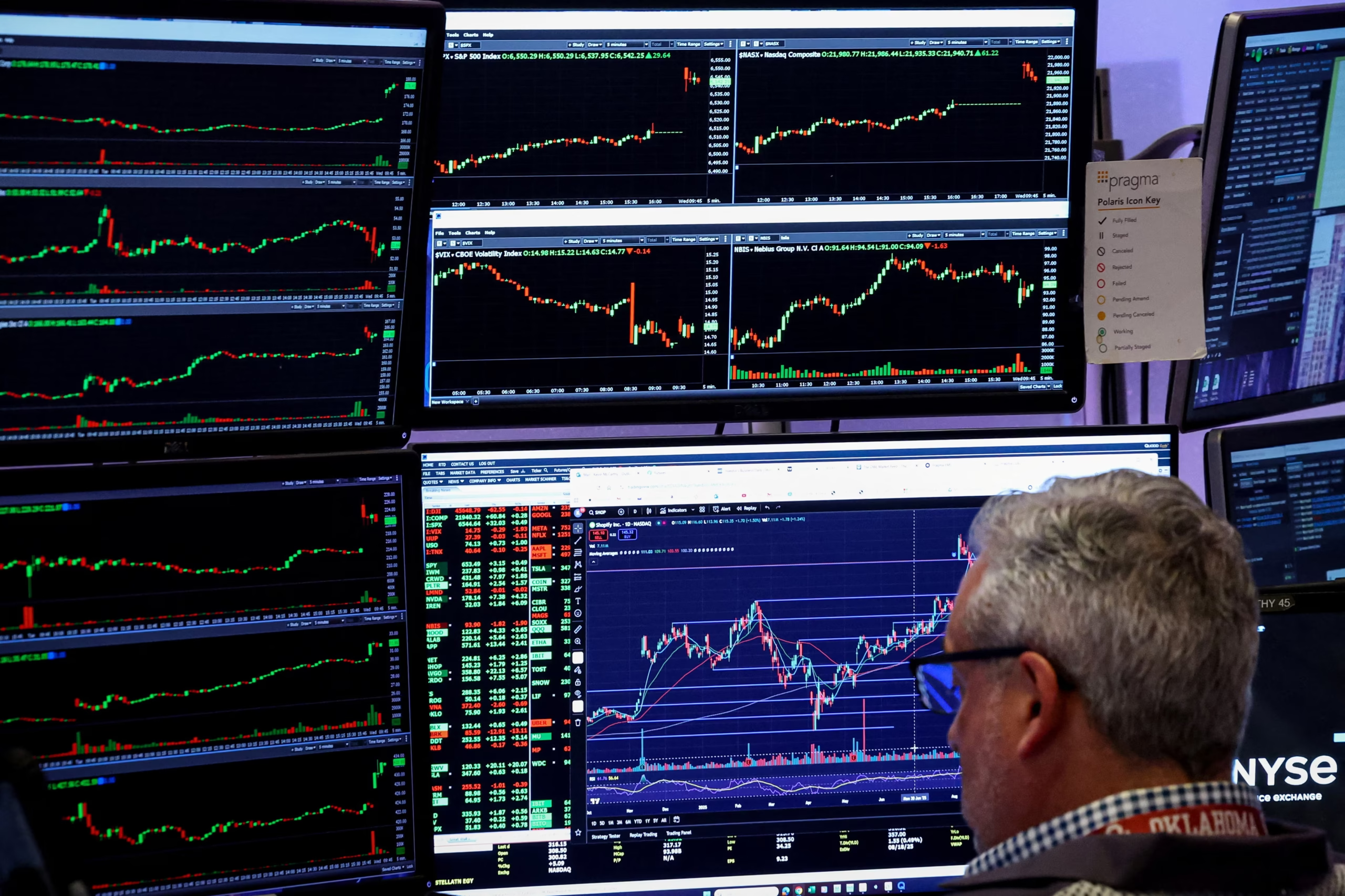
Global markets also pay attention to what is said in New York. Leaders’ positions on oil, sanctions, or technology shape investor sentiment. This year:
Energy markets reacted nervously to talk of tighter sanctions on Russia.
Green technology firms cheered renewed funding commitments, even if vague.
AI startups worried about hints of restrictive global rules.
In an interconnected economy, what happens in those speeches does not stay in New York.
Different outlets framed the gathering differently. Al Jazeera highlighted pleas from Gaza. The Guardian emphasized climate deadlock. Fox News focused on U.S. domestic debates over funding Ukraine. This fragmentation shows how media ecosystems influence what people think the “main story” was.
For readers, the lesson is clear: the assembly is not one story, but many. How you interpret it depends on the lens you use.
The Path Forward: Can the Institution Adapt?
The assembly revealed both the enduring symbolism and practical limits of multilateralism. On one hand, it remains a stage where even small nations can shape narratives. On the other, it lacks enforcement power.
Several proposals emerged to strengthen its impact:
Expanding the Security Council to include rising powers.
Creating a permanent mechanism to oversee AI governance.
Binding commitments on climate finance.
Streamlining humanitarian aid delivery to conflict zones.
Whether these ideas gain traction will depend on political will something often in short supply.
Conclusion: A Gathering at a Crossroads
The 2025 General Assembly may not be remembered for groundbreaking agreements. But it revealed the state of our world: fractured, urgent, and struggling to adapt. Leaders spoke of unity, but divisions over war, climate, and technology ran deep.
Yet, amid the cynicism, the gathering still carried meaning. It was a mirror held up to humanity showing both our failures and our possibilities. If the words in New York turn into actions in capitals around the world, the assembly might yet prove its worth.
Until then, the world leaves New York with more questions than answers, and a sobering reminder: survival in the 21st century will depend not on speeches, but on choices made after the cameras are gone.
Abhi Platia is a financial analyst and geopolitical columnist who writes on global trade, central banks, and energy markets. At GeoEconomic Times, he focuses on making complex economic and geopolitical shifts clear and relevant for readers, with insights connecting global events to India, Asia, and emerging markets.