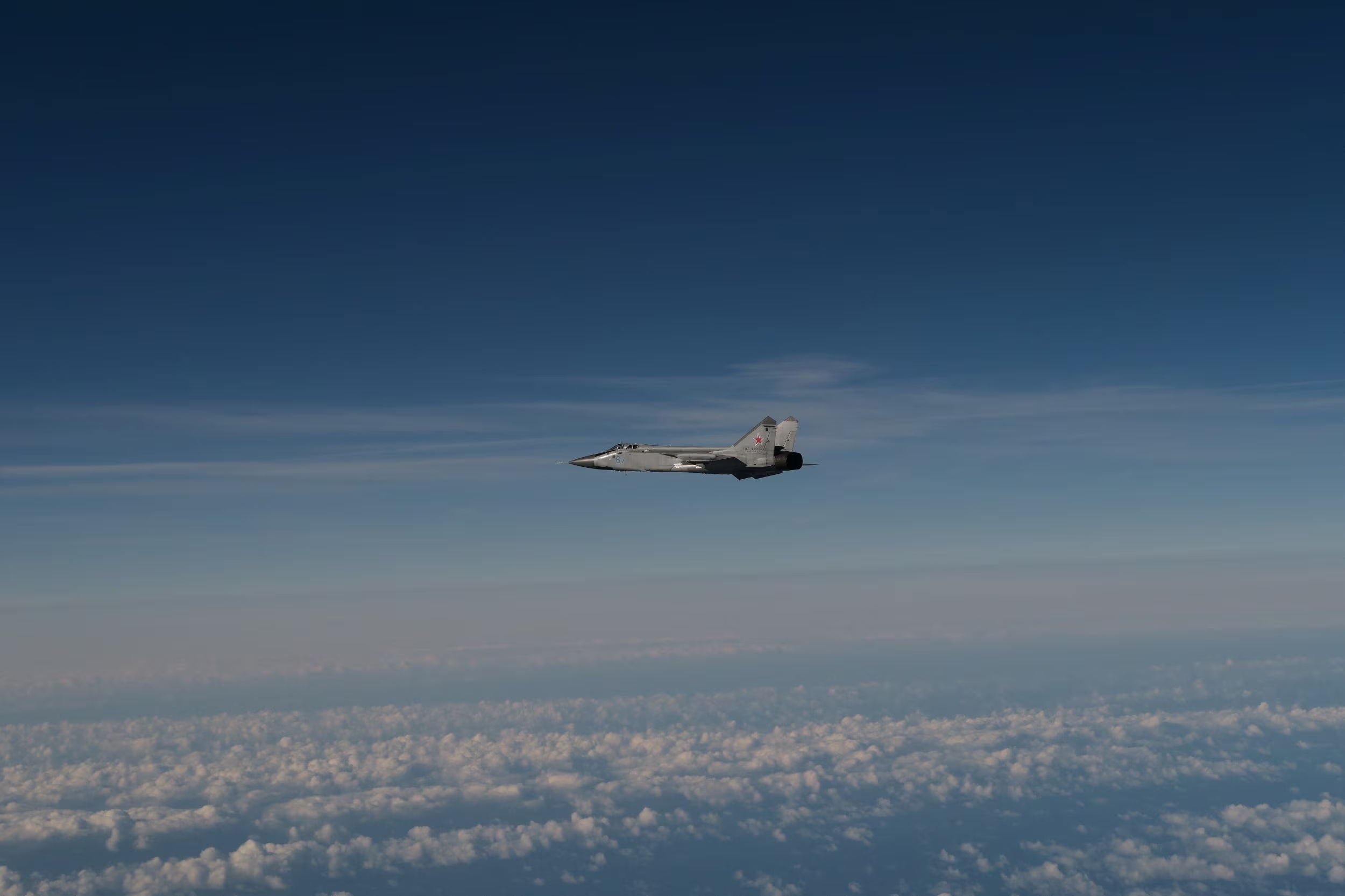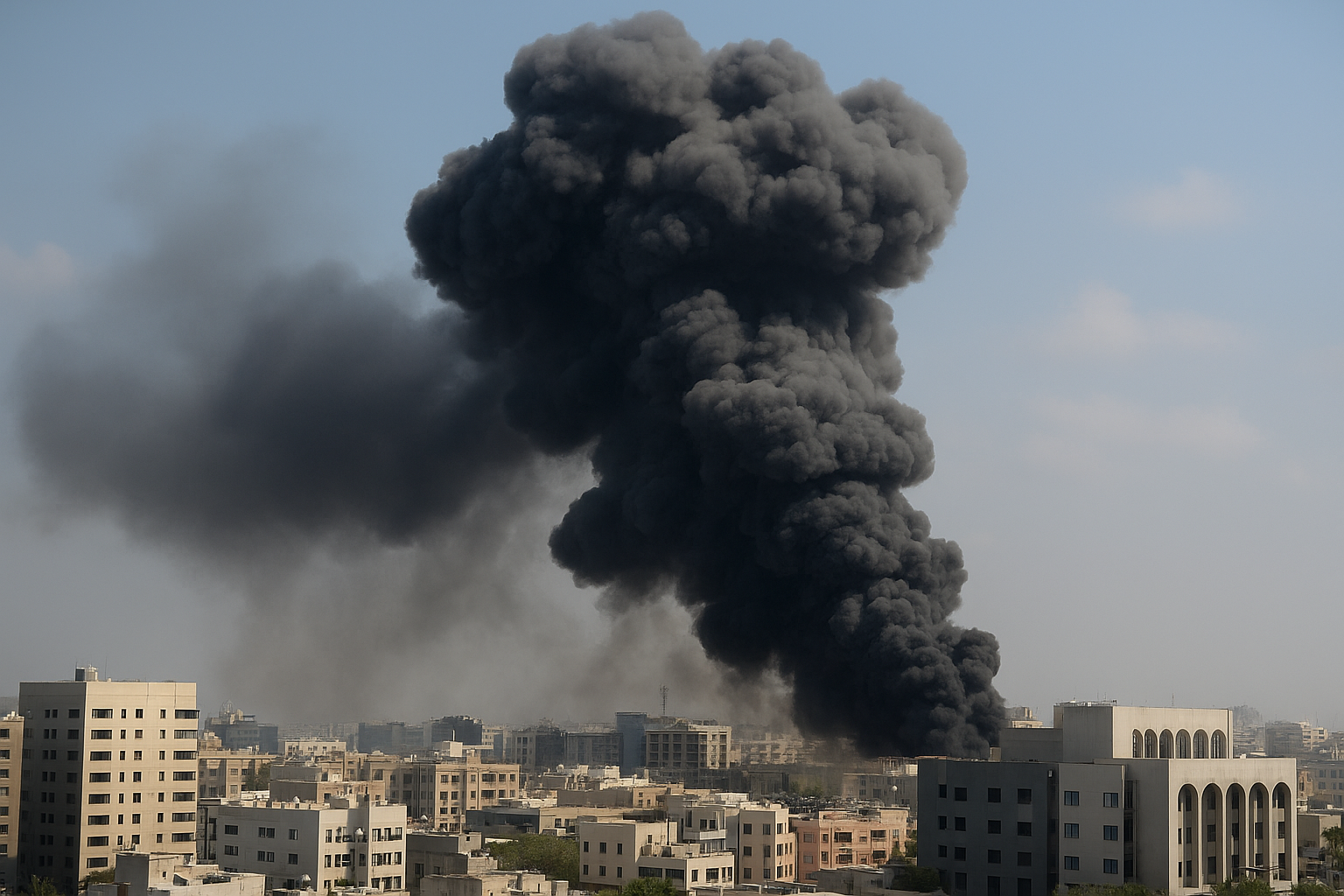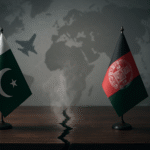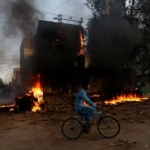
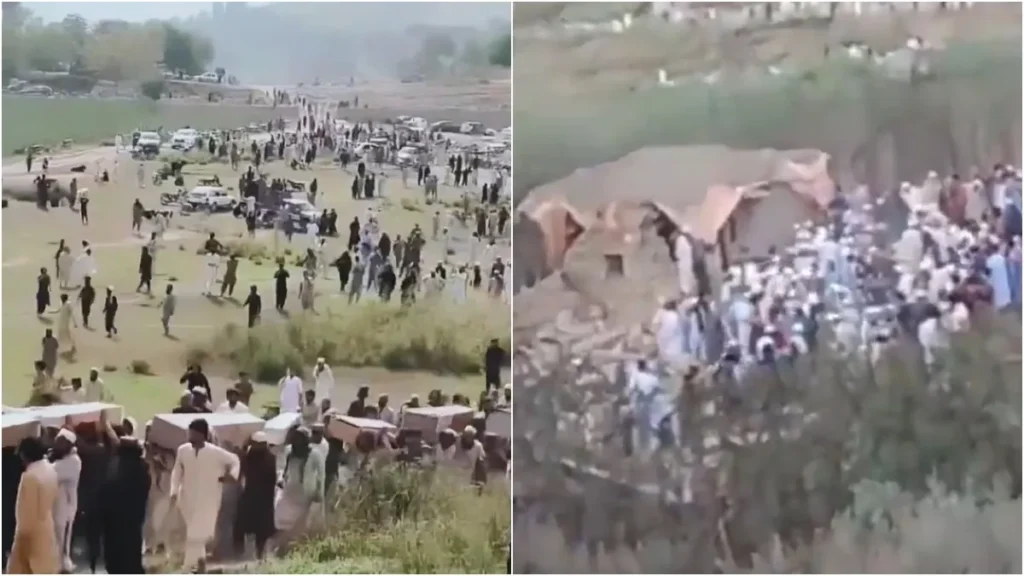
On the morning of 22 September 2025, the people of Tirah Valley in Khyber District woke to horror. Fighter jets of the Pakistan Air Force (PAF) carried out an aerial strike intended to target Tehreek-e-Taliban Pakistan (TTP) hideouts. Instead, the bombs flattened family homes, killing at least 32 civilians, including 15 children and 9 women, according to local sources reported by Reuters.
The phrase “pakistan bombed there civilian” immediately began trending on social media, expressing the outrage of citizens who feel abandoned by their own state. Survivors described pulling loved ones out of rubble, while officials at first insisted militants were the intended targets.
For many, the tragedy was not new. Pakistan had promised lessons were learned after a 2010 airstrike killed dozens of civilians in tribal areas. At that time, the military apologized publicly. Fifteen years later, history repeated itself.
This article digs deeper into why pakistan bombed there civilian, what led to this disaster, and what it means for Pakistan’s democracy, its military, and its people.
Why Did Pakistan Bombed There Civilian Again?
Military’s Official Explanation
In its official statement, the Pakistan Army claimed the airstrike targeted a compound used by TTP militants. Officials alleged that militants used “human shields”, hiding among families to protect themselves. According to Dawn, they framed the incident as an “unfortunate but unavoidable consequence” of fighting terrorism.
Eyewitness Contradictions
Villagers tell a different story. Survivors interviewed by BBC said there were no militants in the village, only farming families. A grieving mother said:
“We raised our children in this soil. They studied in schools nearby. There were no Taliban here. Pakistan bombed there civilian, not terrorists.”
This clash of narratives raises the same old question: was it faulty intelligence, reckless targeting, or an attempt to cover up failure?
A Painful Echo of 2010: When Pakistan Bombed There Civilian Before
In April 2010, fighter jets mistakenly targeted a tribal jirga (council of elders) in Datta Khel, North Waziristan, killing over 60 civilians. Outrage was immediate. At that time, Pakistan’s military leadership issued a rare public apology, calling it an “intelligence error.”
The apology temporarily eased tensions, but villagers never forgot.
Now, in 2025, when pakistan bombed there civilian once more, survivors are asking: “If apologies were made then, why were lessons not learned? Why do our children keep dying in the name of counterterrorism?”
The Human Toll of Pakistan Bombed There Civilian
Innocent Lives Lost
Hospitals in Khyber reported dozens of child casualties. Local doctors told Al Jazeera they struggled with shortages of medicine and equipment.
Families Torn Apart
A farmer who lost his wife and two daughters said:
“I heard the planes. Then the explosion. When I woke up, everything was gone. My house, my family, my life. Pakistan bombed there civilian and left us with only graves.”
Trauma Beyond Numbers
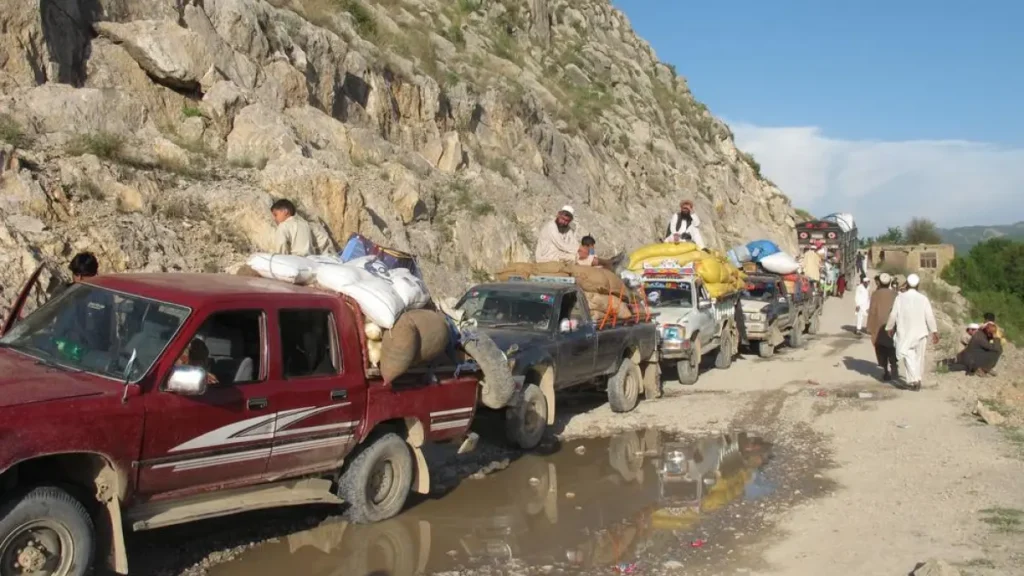
Beyond death counts, survivors now live with psychological scars. Children wake up screaming at night. Entire families talk of fleeing their ancestral homes. The trust between state and citizen has collapsed.
Pakistan Bombed There Civilian: Strategic Move or Blunder?
Military Pressure to Respond
Analysts note that the strike came days after TTP militants ambushed a Pakistan Army convoy in South Waziristan, killing eight soldiers. Under pressure to show strength, the military may have rushed an operation with faulty intelligence.
Civilian Backlash Fuels Militancy
Ironically, every time pakistan bombed there civilian, militants gain more support. Locals, angered by their government, may see groups like TTP as protectors rather than enemies.
As one political analyst told NDTV:
“Bombing your own people to fight militants is counterproductive. Every mistaken strike gives the TTP new recruits and delegitimizes the state.”
Expert Views on Why Pakistan Bombed There Civilian
- Human Rights Commission of Pakistan (HRCP): Condemned the airstrike as “indefensible” and demanded accountability.
- Former Army Officer: Told Reuters that poor intelligence-sharing between the military and local sources often leads to tragedy.
- UN Human Rights Spokesperson: Called for an independent investigation, warning that Pakistan may be violating international humanitarian law.
Political Fallout: Civilian Government vs. Military
The civilian government in Islamabad now faces a dilemma. Opposition leaders accuse the military of “reckless arrogance” and demand parliamentary oversight of air operations.
Prime Minister Shehbaz Sharif, however, has been cautious. According to The Express Tribune, he called the incident “tragic” but stopped short of criticizing the army.
This silence deepens the perception that Pakistan’s democracy remains hostage to its generals, even when pakistan bombed there civilian.
A Pattern of Neglect: Civilian Deaths in Tribal Areas
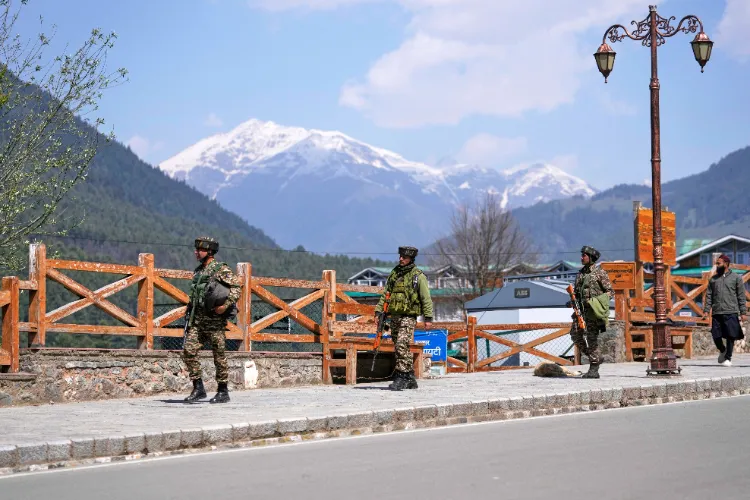
This is not an isolated tragedy. Over two decades of conflict, Pakistan’s tribal regions have suffered countless “collateral damage” incidents:
- 2008 Bajaur Airstrike → Over 20 civilians killed.
- 2010 Datta Khel Strike → 60+ civilians killed, later apologized for.
- 2018 North Waziristan Strike → Civilian casualties reported but denied.
- 2025 Khyber Strike → Latest in a painful cycle.
Each time, the military promises reforms. Each time, pakistan bombed there civilian again.
International Reactions: Why Pakistan Bombed There Civilian Matters Globally
- India quickly condemned the strike, saying it showed Pakistan’s “reckless disregard for human life.”
- China, Pakistan’s ally, urged “restraint” but avoided criticism.
- US & EU expressed concern, linking civilian safety to counterterrorism credibility.
The incident may affect Pakistan’s international image, especially as it seeks foreign aid amid economic crisis.
Civilian Voices: Stories from the Ground
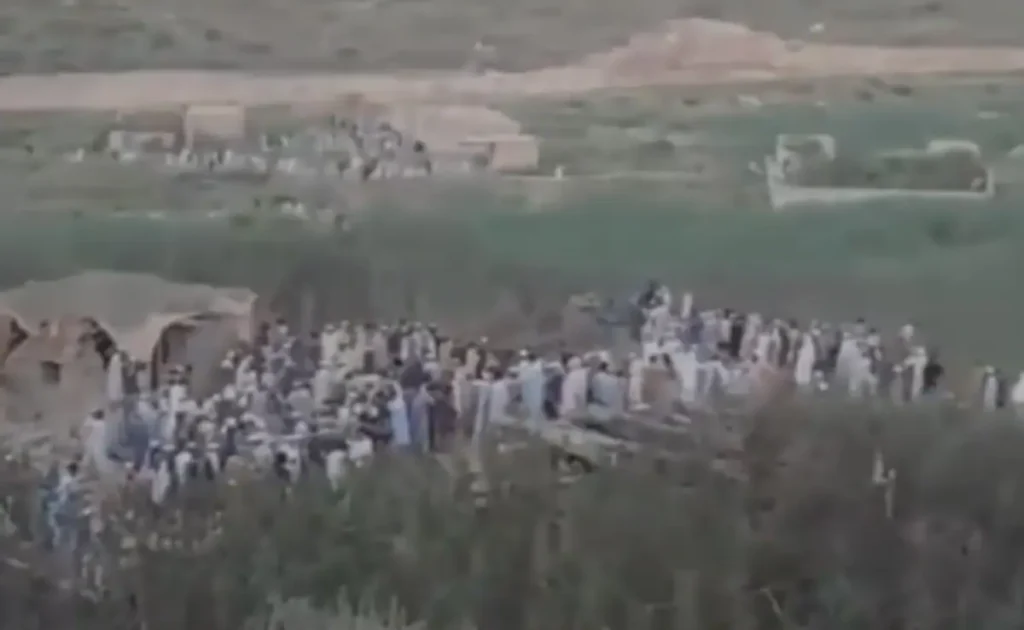
“We buried children in one grave because there were too many bodies.” – Survivor quoted in BBC.
“The army calls us collateral damage. We call ourselves human beings.” – Elder from Tirah Valley.
“First the militants attack us, now our own jets. We have nowhere to run.” – School teacher in Khyber.
These voices make clear what statistics cannot: pakistan bombed there civilian, and it shattered trust in the state.
Lessons Unlearned: From 2010 to 2025
The comparison with 2010 is unavoidable. Then, a general apologized. Today, survivors wait for even an acknowledgment. The military insists the strike was “successful.” For villagers, the success was graves dug for children.
The question now is: will the army repeat 2010’s apology, or will silence become the new policy?
Conclusion: A State at War with Its Own People
The tragedy of 22 September 2025 proves once again that Pakistan’s counterterrorism strategy is deeply flawed. By prioritizing displays of force over careful intelligence, the military risks alienating the very citizens it claims to protect.
Until accountability is real, until civilian safety is prioritized, until intelligence is verified, the cycle will continue. And each time, the world will hear the same haunting phrase repeated by grieving survivors:
Pakistan bombed there civilian.

Abhi Platia is a financial analyst and geopolitical columnist who writes on global trade, central banks, and energy markets. At GeoEconomic Times, he focuses on making complex economic and geopolitical shifts clear and relevant for readers, with insights connecting global events to India, Asia, and emerging markets.